


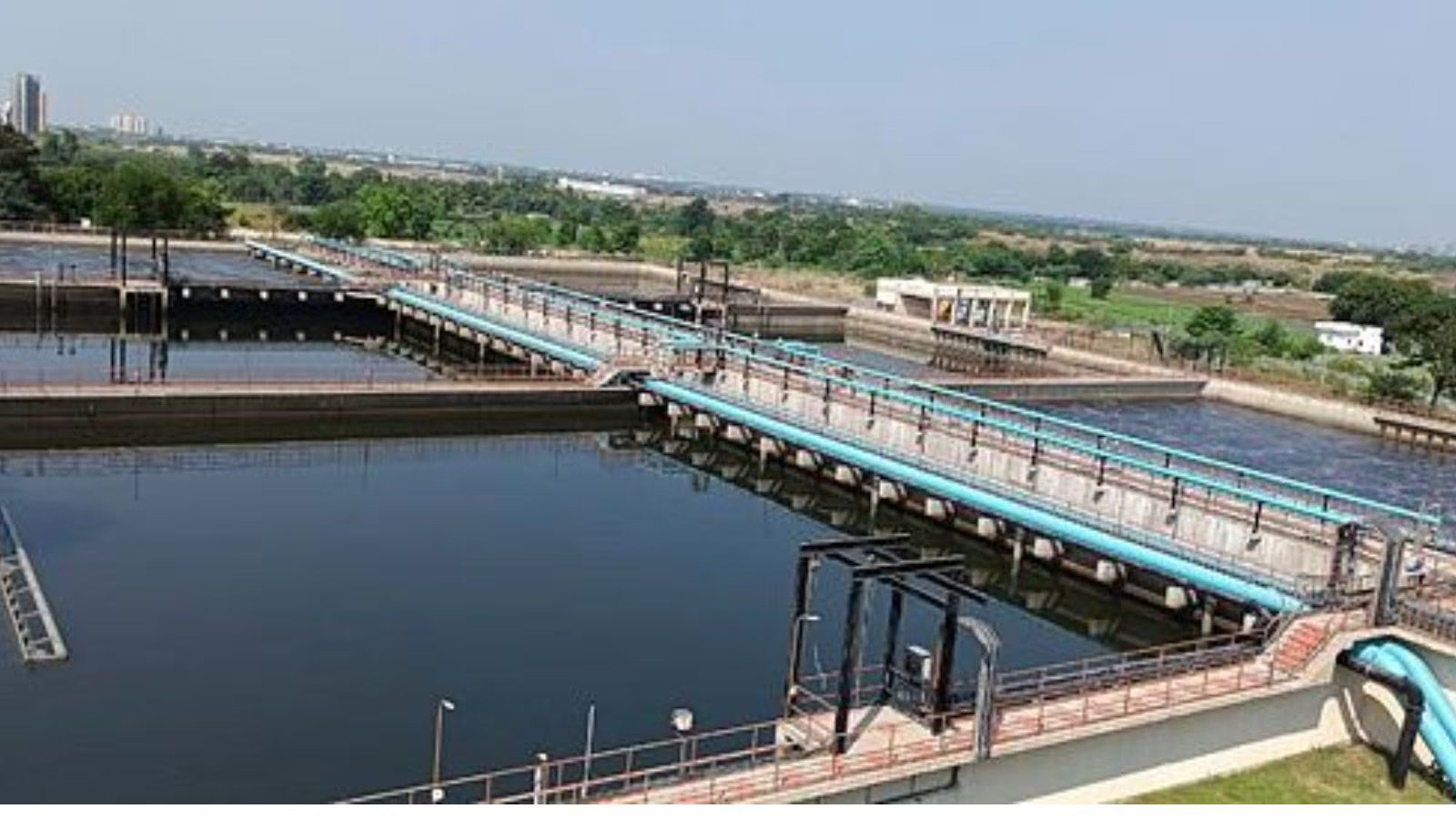
Indore is set to take a major step towards securing its long-term water needs, with the foundation ceremony of the Narmada Phase IV project scheduled in the city. The initiative marks a critical infrastructure milestone as one of India’s fastest-growing urban centres prepares to address rising demand for reliable and equitable water supply. The project, valued at over ₹1,300 crore, will significantly augment Indore’s drinking water capacity by adding nearly 450 million litres per day (MLD), effectively doubling supply to around 900 MLD. This expanded capacity is expected to meet the city’s requirements well into the next two decades, aligning with projections of rapid population growth and urban expansion.
The Indore Narmada Phase IV project forms part of a broader push under national urban missions to modernise water infrastructure and improve service delivery. Planned components include new pipelines, treatment facilities, and storage systems designed to ensure continuous and efficient distribution across residential and industrial areas. For a city that has consistently ranked high on cleanliness and urban governance indicators, water security is emerging as the next critical frontier. Indore’s dependence on the Narmada river has steadily increased over the years, with earlier phases of the project forming the backbone of its municipal water network. However, rising population density, expanding real estate development, and increasing industrial demand have placed new pressures on existing systems. Urban planners point out that the Indore Narmada Phase IV project is not just about increasing supply but about reconfiguring how water is managed in a growing city. The integration of advanced treatment systems and distribution networks could reduce losses, improve quality, and enable more equitable access across peripheral and newly urbanised zones. The timing of the project is particularly significant. Indian cities are facing intensifying climate variability, with erratic rainfall patterns and heatwaves placing stress on traditional water sources. Large-scale, river-based supply systems are increasingly being positioned as buffers against such uncertainties, although they also raise questions about long-term sustainability and inter-regional water dependencies. From an economic standpoint, improved water reliability is closely tied to urban productivity. Industrial clusters, commercial establishments, and housing developments all depend on consistent supply, making water infrastructure a key enabler of investment and growth. For Indore, which is expanding as a regional economic hub, the project is expected to support both industrial activity and real estate development.
At the same time, experts caution that supply augmentation must be complemented by demand-side measures. Efficient water use, recycling, and local conservation systems remain essential to building resilience. Without these, even expanded capacity may face stress in the long term. As the project moves from planning to execution, attention will shift towards timelines, implementation efficiency, and integration with existing systems. For residents, the promise is straightforward: more reliable access to water. For the city, the larger question is whether infrastructure expansion can keep pace with growth while remaining sustainable and inclusive.
ALSO READ – Indore Power Demand Surges With Rising Temperatures
Indore Water Supply Set To Expand With New Phase
