


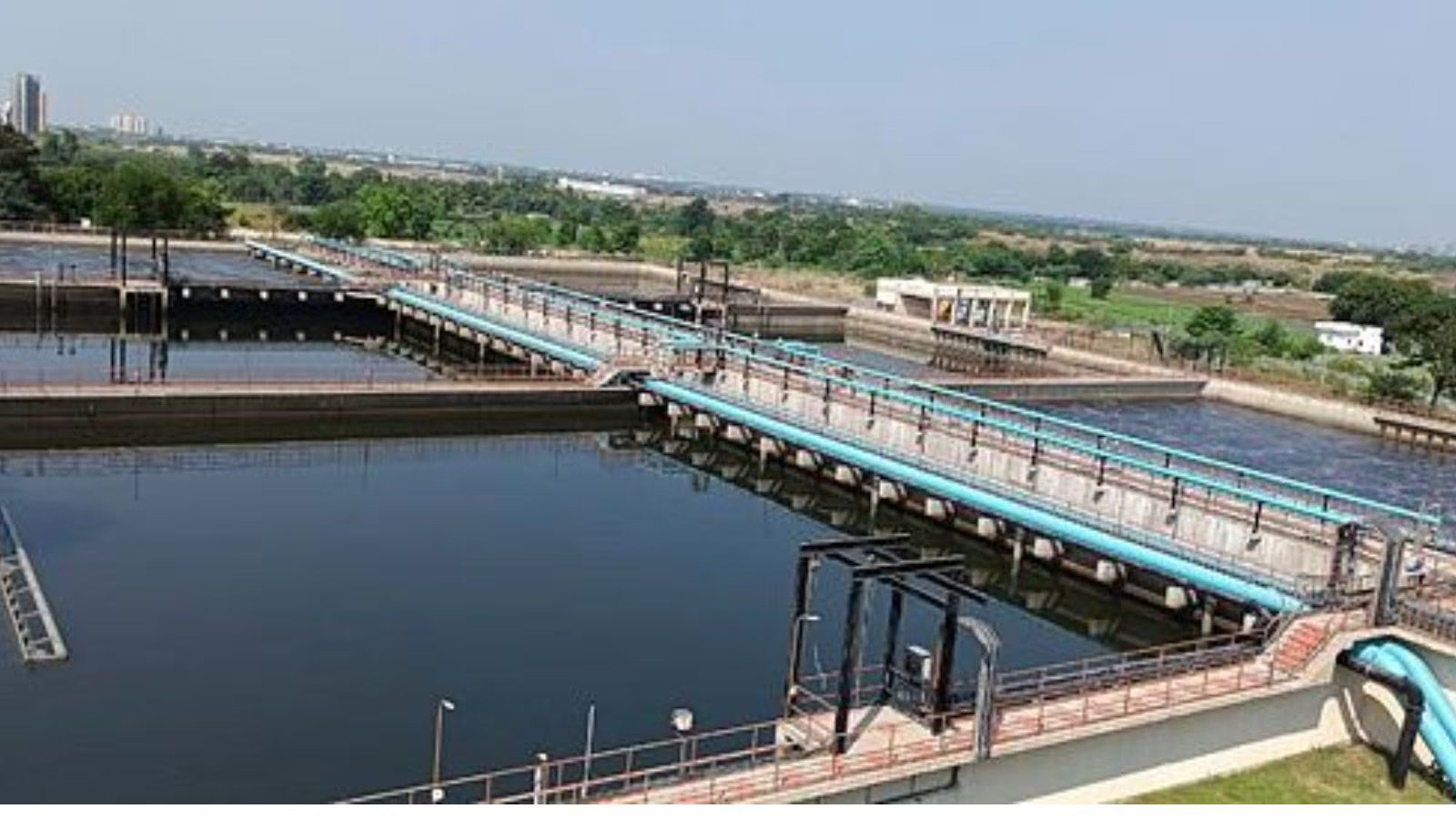
Indore is set to expand its urban water infrastructure with the launch of a new project aimed at strengthening supply systems and addressing rising demand in the growing city. The initiative reflects increasing urgency among urban authorities to secure reliable water access amid population growth and climate pressures. The upcoming Indore water supply project is expected to enhance distribution capacity, improve service reliability, and support future urban expansion. Officials involved in planning indicate that the project will focus on augmenting existing systems while addressing gaps in coverage across developing areas.
Urban infrastructure experts note that cities like Indore are facing mounting pressure on water resources due to rapid urbanisation and changing consumption patterns. The Indore water supply project is part of a broader effort to ensure that infrastructure keeps pace with demand while maintaining service quality. A key challenge in urban water management is balancing supply with sustainability. Experts emphasise that projects must integrate efficient use of resources, including reducing transmission losses, improving storage systems, and promoting water conservation practices. Without such measures, increased supply alone may not address long-term challenges. The Indore water supply project also has implications for public health and urban liveability. Reliable access to clean water is essential for sanitation, disease prevention, and overall quality of life. Expanding infrastructure can help reduce disparities in access, particularly in newly developed or underserved areas. From a planning perspective, integrating water infrastructure with broader urban development is critical. Coordinated planning can ensure that new residential and commercial areas are supported by adequate utilities, preventing future service gaps. Experts suggest that data-driven planning and real-time monitoring can improve system efficiency and responsiveness. There are economic dimensions as well. Infrastructure investments in water systems can support construction activity, create employment, and enhance the attractiveness of cities for investment. For Indore, strengthening water supply is likely to support its position as a growing economic and educational hub. The Indore water supply project also intersects with climate resilience. Variability in rainfall patterns and increasing water stress require cities to adopt adaptive strategies, including diversification of water sources and improved management practices. Incorporating such elements into new projects can help ensure long-term sustainability. Governance will play a key role in the project’s success. Timely execution, transparent monitoring, and coordination between agencies are essential to ensure that benefits reach intended users. Experts highlight the importance of community engagement in promoting responsible water use.
Looking ahead, the project represents a step towards building a more resilient urban water system. As Indore continues to grow, ensuring sustainable and equitable access to water will remain central to its development strategy. The effectiveness of the Indore water supply project will ultimately depend on how well it integrates infrastructure expansion with conservation and long-term planning goals.
ALSO READ – Indore University Budget Deficit Raises Infrastructure Concerns
Indore Water Supply Project Aims To Boost City Resilience
