


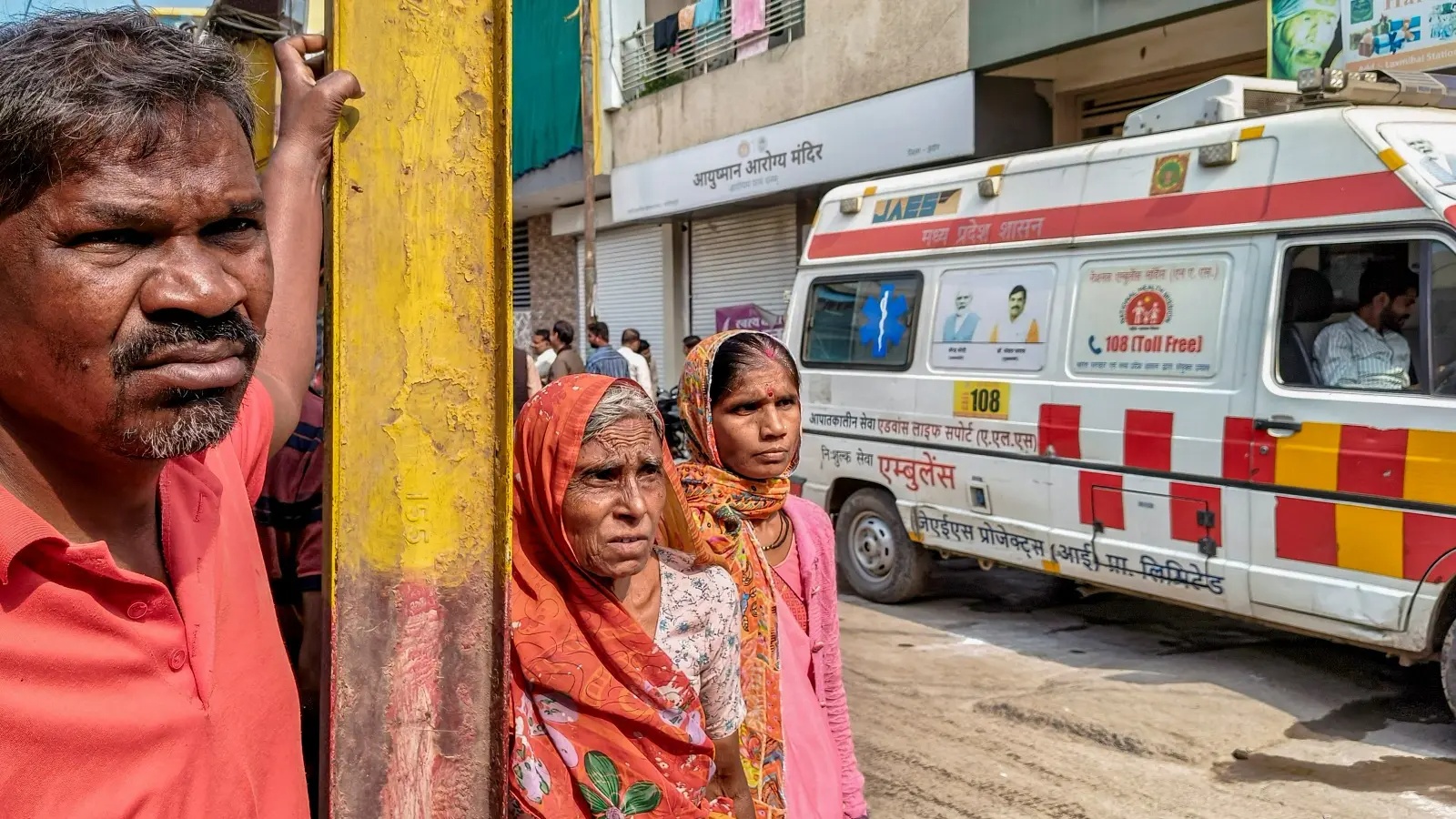
Indore Struggles With Public Trust in Tap WaterIndore’s longstanding image as a model for urban cleanliness and sanitation is facing serious scrutiny as residents in the Bhagirathpura area publicly question the safety and reliability of municipal tap water after a severe contamination crisis that has led to illness and fatalities.
The dispute has dented public trust in civic water governance and exposed underlying challenges in basic infrastructure management. The trouble began in late December 2025 when households in Bhagirathpura began reporting foul-smelling, discoloured water from the municipal supply — a city reliant on piped water from the Narmada project. Initial cases of vomiting and diarrhoea soon escalated into a widespread outbreak, with hundreds of residents hospitalized and dozens of deaths linked to waterborne illness. Government data indicates that bacterial contamination was detected in drinking water supplies after reported leaks allowed sewage-tainted effluent to enter the distribution lines. In the weeks since the outbreak, citizens have adopted alternative water sources such as bottled supplies and in-home purifiers, underscoring a growing loss of confidence in the civic water supply. Many residents interviewed in local reports and by social media accounts describe ongoing fear of consuming even municipally-provided tanker water, despite assurances from authorities that chlorination and pipeline repairs have reduced risk.
Experts and public health officials highlight that loss of trust in tap water can have long-term impacts on urban health outcomes. When residents routinely avoid municipal supply, they either bear additional financial costs for safer options or resort to unverified sources, both of which undermine equitable access to basic services — a core goal of inclusive city planning. The crisis has prompted a judicial inquiry and a spate of political protests, with opposition figures labelling the episode a systemic governance failure and calling for deeper accountability from municipal and state authorities. Civic protests have also expanded into adjacent wards beyond Bhagirathpura, where citizens allege lingering water quality concerns. From an infrastructure perspective, Indore’s experience underscores vulnerabilities in legacy water distribution systems.
Aging pipelines, intermittent monitoring and mixed sanitation networks amplify the risk of sewage infiltration, particularly in dense neighbourhoods with overlapping utility lines. These structural weaknesses are not unique to Indore; many fast-growing Indian cities grapple with similar systemic pressures, especially where rapid urbanisation outpaces maintenance investments. Municipal authorities and health departments have initiated extensive leak repairs and chlorine dosing efforts, while also cleaning overhead tanks and intensifying water testing across affected sectors. Yet, local sentiment remains cautious, with residents demanding regular public reporting of water quality data and robust community engagement in remediation plans.
For urban planners and policymakers, the Bhagirathpura episode offers a critical lesson: water safety infrastructure must be as resilient and well-maintained as the visible sanitation and street cleanliness that often dominate urban rankings. Restoring public trust will depend on transparent communication, rapid infrastructure upgrades, and sustained monitoring — the very foundations of equitable, climate-resilient urban development.
Also Read:Nagpur Firefighters Tackle Major Paper Mill Inferno
Indore Water Safety Crisis Erodes Civic Trust
