


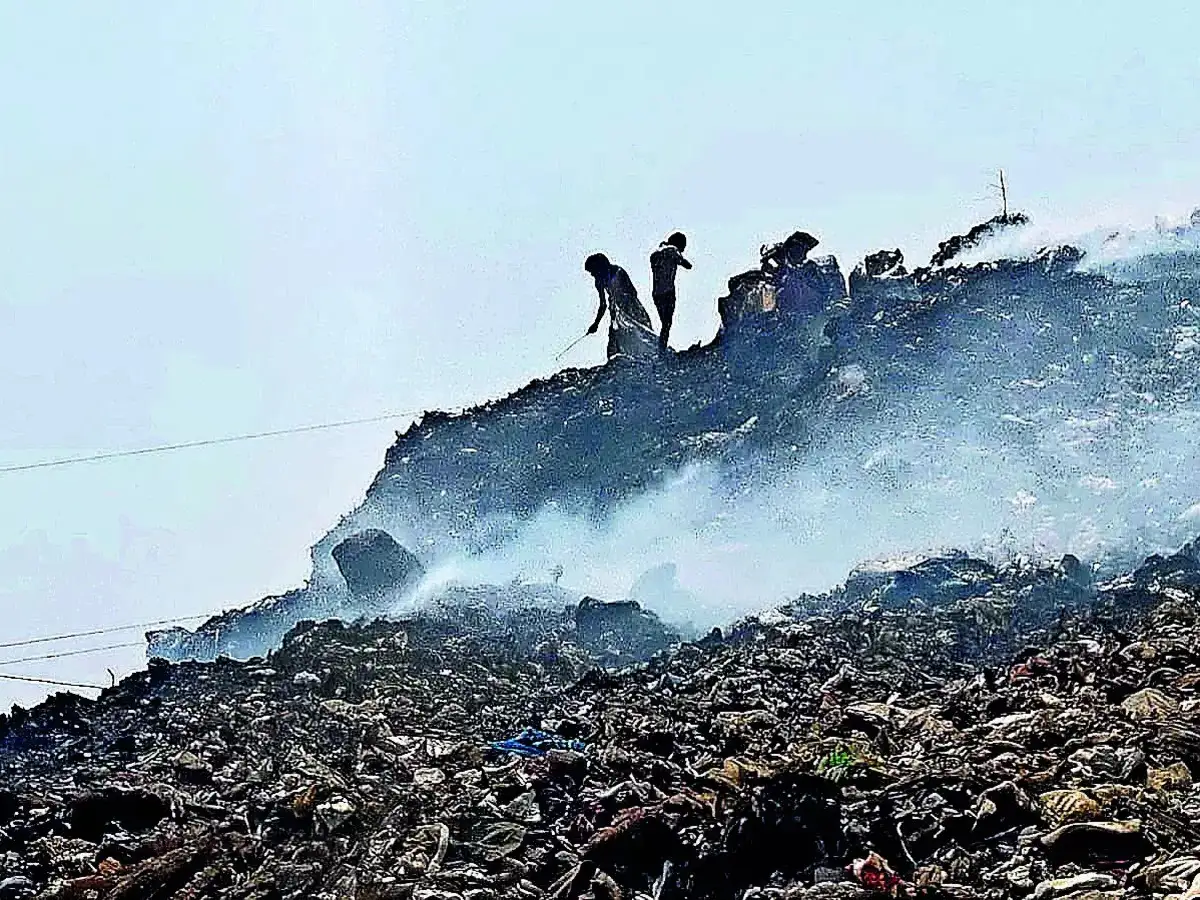
A smaller town on the outskirts of Indore has eliminated its legacy waste burden with technical and operational support from the city’s municipal system, marking a significant milestone in decentralised waste management. The achievement highlights how established urban waste models can be extended to nearby towns to improve environmental outcomes and public health. Officials involved in the initiative confirmed that Depalpur has successfully cleared accumulated landfill waste, achieving what is now being described as a Depalpur zero legacy waste milestone. Legacy waste refers to untreated garbage that has been stored in dumpsites over long periods, often leading to environmental hazards such as groundwater contamination, methane emissions and air pollution.
The effort was supported by Indore’s municipal teams, which have gained recognition for implementing structured waste segregation, processing and disposal systems. By extending technical expertise and operational frameworks, the city helped Depalpur adopt similar practices suited to a smaller urban setting. Urban sustainability experts say the Depalpur zero legacy waste outcome demonstrates the importance of regional collaboration in waste management. While large cities often develop advanced systems, smaller towns may lack the resources or technical capacity to implement them independently. The process of clearing legacy waste typically involves scientific remediation methods such as biomining, where old waste is processed to recover usable materials while reducing landfill volume. These techniques help restore land and minimise long-term environmental damage. The Depalpur zero legacy waste initiative also reflects a broader shift toward decentralised waste management strategies. Instead of relying solely on large landfill sites, cities and towns are increasingly focusing on segregation at source, composting, recycling and waste-to-energy solutions. Urban planners note that managing waste at the local level can reduce transportation costs, lower emissions and improve efficiency in waste processing systems. Smaller towns adopting structured waste practices can also prevent the accumulation of new legacy waste in the future. Indore’s involvement highlights the role of leading urban centres in supporting surrounding regions. As cities expand, their environmental impact extends beyond municipal boundaries, making regional coordination essential for sustainable development. The success of the Depalpur zero legacy waste effort also has implications for public health. Unmanaged waste sites are often associated with disease vectors, poor air quality and unsafe living conditions for nearby communities. Clearing such sites can significantly improve environmental quality and quality of life. Experts say the model could be replicated in other towns across Madhya Pradesh and beyond, particularly in areas where legacy waste continues to pose environmental risks. Scaling such initiatives requires coordination between municipal bodies, technical agencies and local communities.
For Depalpur, the achievement marks a transition toward a cleaner and more sustainable urban environment. For Indore, it reinforces its position as a knowledge hub for urban waste management practices. As India continues to urbanise, addressing legacy waste will remain a key challenge. The success of initiatives like the Depalpur zero legacy waste programme suggests that collaborative, scalable solutions may hold the key to building cleaner and more resilient urban ecosystems.
ALSO READ – Indore Road Safety Drive Promotes Helmet Use Awareness
Indore Waste Model Helps Depalpur Clear Landfill Backlog
