


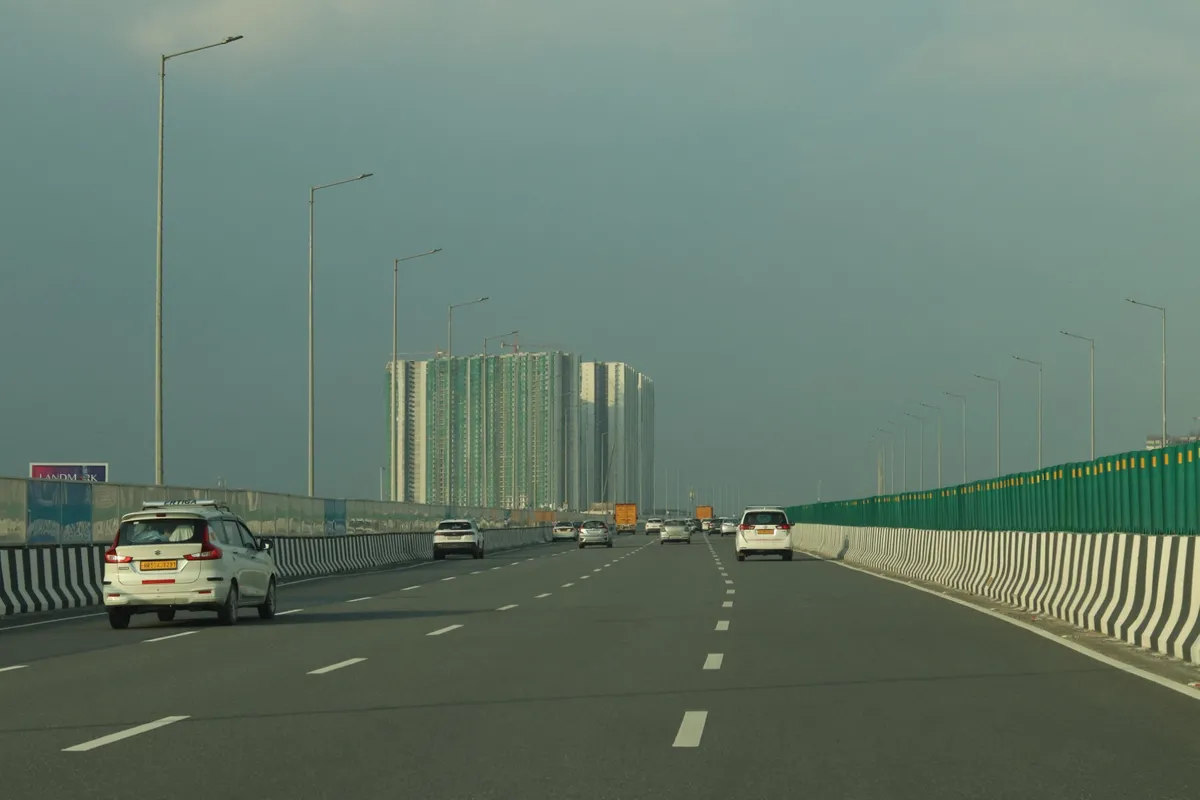
Indore is preparing to reshape its urban transport landscape with a proposed multimodal mobility hub near the busy Vijay Nagar junction, a project intended to integrate metro, city bus and inter-state transport systems into a single transit interchange. Urban planners say the initiative could significantly improve connectivity in one of the city’s most congested commercial corridors while laying the groundwork for transit-oriented development. The proposed hub is being planned by the Indore Development Authority (IDA) and will be developed on land already earmarked for transport infrastructure. Designed as a seamless interchange, the facility aims to link the upcoming metro corridor with inter-state bus services and local public transport networks, allowing commuters to shift between transport modes without leaving the station complex.
Officials associated with the project say the multimodal mobility hub is intended to address rising congestion in Vijay Nagar, one of Indore’s largest commercial and residential centres. The locality has grown rapidly over the past two decades, becoming a dense business district surrounded by malls, offices, hotels and high-value housing developments. By consolidating multiple transport services at one location, planners expect the hub to reduce traffic bottlenecks created by fragmented bus stops and scattered transit facilities. Direct connections between metro platforms and long-distance bus terminals will allow passengers arriving from regional routes to transfer quickly to the metro system, improving travel efficiency across the city. The facility is also being designed as a mixed-use urban complex rather than just a transport terminal. Plans include premium office spaces, retail areas, hospitality services and other public amenities integrated within the station structure. Urban economists say such transit-linked commercial development can help finance infrastructure while encouraging denser, walkable neighbourhoods around major transit corridors. Another key feature of the project is its emphasis on sustainable mobility. Early design proposals include electric-vehicle charging stations and secure bicycle parking areas to support last-mile connectivity. These additions reflect a broader shift in Indian city planning toward reducing dependence on private vehicles and encouraging cleaner urban transport systems. The hub is expected to operate under a public-private partnership model, with private investors participating in design, construction and commercial operations. Authorities have already begun the planning process by appointing a transition adviser tasked with preparing the financial and operational framework for the project. For Indore, which has been expanding rapidly as the commercial capital of Madhya Pradesh, the success of such projects is closely tied to the performance of the city’s emerging metro system. The Indore Metro network—planned to span more than 33 kilometres once completed—aims to reduce road congestion by shifting commuters from private vehicles to high-capacity public transport.
Urban mobility experts say integrated transport hubs are becoming essential infrastructure in fast-growing cities where multiple transit systems operate simultaneously. Without coordinated interchange points, commuters often face long transfer times and overcrowded junctions. If implemented effectively, the Vijay Nagar multimodal mobility hub could become a model for integrated transit planning in India’s tier-two cities. For Indore’s commuters, the project promises a future where moving across the city involves fewer bottlenecks, smoother transfers and a stronger shift toward sustainable urban mobility.
ALSO READ – Indore Gas Supply Crisis Disrupts Industrial Production
Indore Vijay Nagar Hub To Transform Urban Mobility
