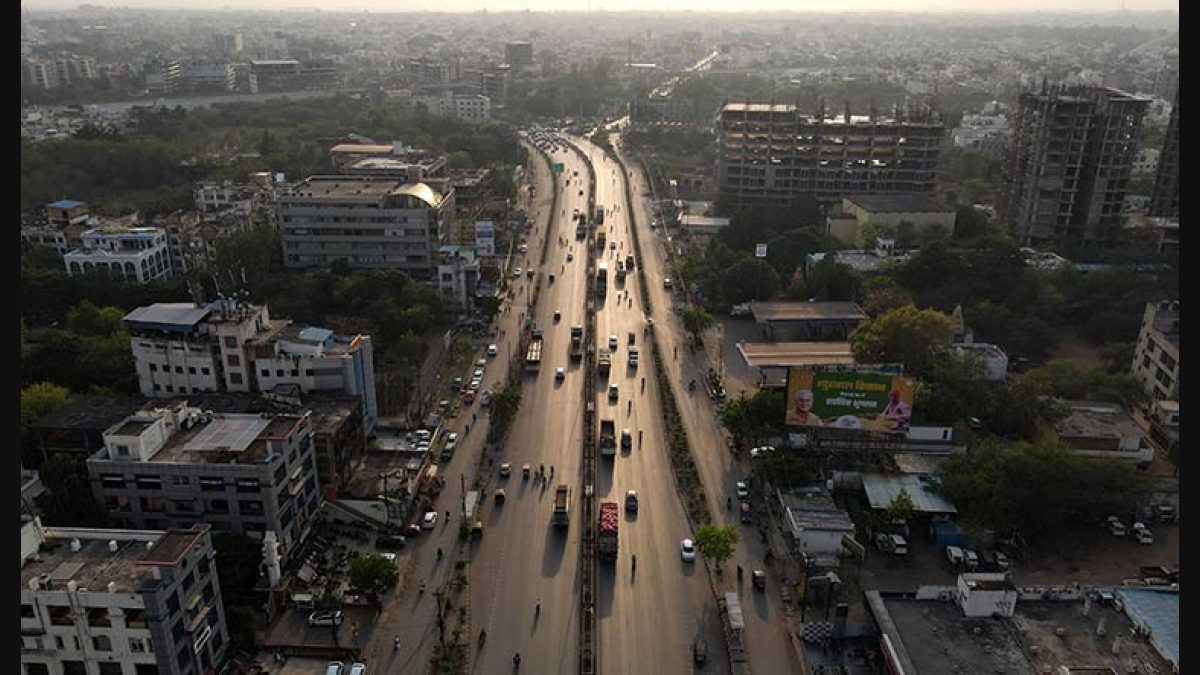
A small but strategically located town in Madhya Pradesh is set to become part of a rapidly expanding urban growth corridor linking Indore and Ujjain, as the state government advances plans to integrate Barnagar into the Indore Ujjain metropolitan region through a new road infrastructure project. The initiative includes a ₹150-crore road development plan designed to strengthen regional mobility and reduce travel distances between key towns in western Madhya Pradesh. Officials say the project will improve access between Barnagar and Ratlam while linking the town more closely with Indore and Ujjain’s emerging metropolitan cluster. The proposed corridor will run through Nayikhedi and Nagda, creating an alternative route that significantly shortens the journey between Ratlam and Ujjain. Currently, travellers rely on a longer route spanning roughly 115 kilometres. The new alignment is expected to cut the distance to about 74 kilometres, trimming travel time and easing pressure on existing roads.
Urban planners say the decision reflects a broader shift toward building polycentric metropolitan regions rather than concentrating growth in a single city. By extending the Indore Ujjain metropolitan region to include surrounding towns such as Barnagar, policymakers hope to distribute economic activity, improve logistics connectivity and encourage balanced urbanisation across districts. The move also aligns with preparations for the Simhastha religious gathering scheduled for 2028 in Ujjain, an event expected to draw millions of visitors. Improved road infrastructure is considered essential to manage large-scale movement of pilgrims, reduce congestion and support regional tourism economies. Infrastructure experts note that such road links play a critical role in shaping the spatial footprint of metropolitan regions. New corridors can accelerate land development, improve access to industrial clusters and open up peri-urban areas for housing and services. For Barnagar, closer integration with Indore and Ujjain could expand economic opportunities in trade, logistics and small manufacturing. Regional planners also see the initiative as part of a wider transformation of the Indore Ujjain metropolitan region, which has been gradually expanding its administrative footprint to accommodate rapid urban growth across multiple districts. Recent proposals have expanded the planning region to nearly 10,000 square kilometres, bringing additional villages and urban settlements into a coordinated development framework. However, experts caution that infrastructure-led expansion must be accompanied by careful land-use planning, environmental safeguards and sustainable mobility strategies. Without these measures, rapid road-led urbanisation can lead to fragmented growth, rising emissions and pressure on water and agricultural land.
For Madhya Pradesh’s largest economic belt, the integration of smaller towns such as Barnagar signals a new phase of metropolitan planning. As infrastructure corridors reshape connectivity across western Madhya Pradesh, the challenge will be ensuring that growth across the Indore Ujjain metropolitan region remains inclusive, resilient and aligned with the needs of both expanding cities and surrounding rural communities.