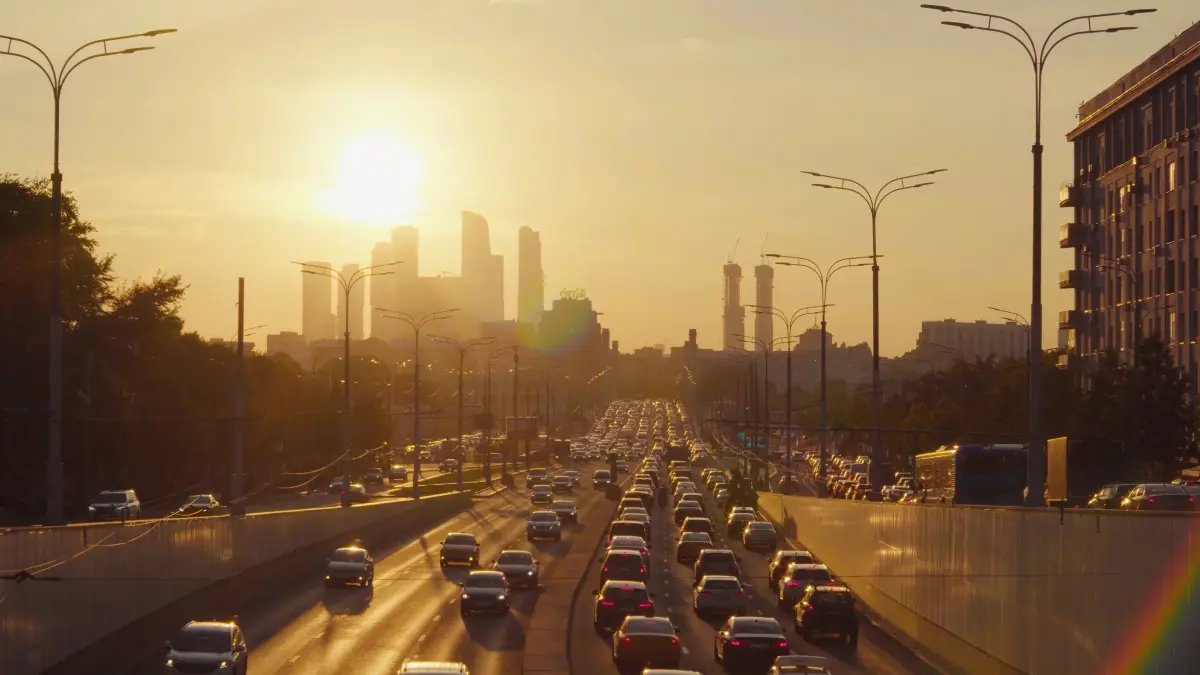
Indore Temperature Surge Raises Urban Heat Concerns
Indore is entering an early phase of rising heat, with clear skies driving a sharp increase in daytime temperatures and signalling the onset of summer-like conditions across the city. The shift, observed over recent days, is expected to intensify, raising concerns around urban heat stress, energy demand, and public health preparedness.
According to meteorological observations, the city’s maximum temperature has climbed to around 35°C, up from nearly 30°C just days earlier, following the clearing of cloud cover that had temporarily moderated conditions. This transition from cloudy to clear skies has allowed more solar radiation to reach the surface, accelerating warming trends typical of late March.Weather experts indicate that the warming is likely to continue, with temperatures projected to rise by another 2–3°C in the coming days, and potentially more depending on regional atmospheric patterns. While no immediate extreme weather alerts are in place, the broader outlook suggests a steady intensification of heat across central India as seasonal systems stabilise.For a rapidly growing city like Indore, this emerging heat cycle has implications beyond daily discomfort. Urban planners highlight that rising temperatures can exacerbate the urban heat island effect, where built-up areas retain more heat due to concrete surfaces, limited green cover, and dense construction. As a result, the perceived temperature in high-density zones can be significantly higher than recorded averages.
The Indore heat rise also has direct consequences for urban infrastructure and resource consumption. Increased use of cooling systems is likely to drive up electricity demand, placing pressure on energy networks. Simultaneously, water demand tends to surge during warmer periods, creating stress on already stretched urban supply systems.Environmental experts point out that such temperature spikes, even if seasonal, are becoming more frequent and intense due to changing climate patterns. Indore’s climate vulnerability indicators already suggest worsening trends, underscoring the need for long-term adaptation strategies such as urban greening, reflective building materials, and climate-responsive planning. Public health is another area of concern. Rising daytime temperatures, coupled with dry conditions, can increase the risk of heat-related illnesses, particularly for outdoor workers and vulnerable populations. Early summer conditions also tend to elevate air pollution levels due to dust and vehicular emissions, compounding health risks in urban environments.Experts stress that managing the Indore heat rise will require a coordinated approach that integrates weather forecasting, urban planning, and public awareness. Measures such as shaded public spaces, improved water access, and adaptive building design can help mitigate the impact of rising temperatures on residents.
As the city transitions into warmer months, the immediate challenge will be to balance growth with climate resilience. With temperatures expected to climb further, how Indore adapts its infrastructure and planning frameworks will play a crucial role in ensuring liveable conditions in the face of intensifying urban heat.