


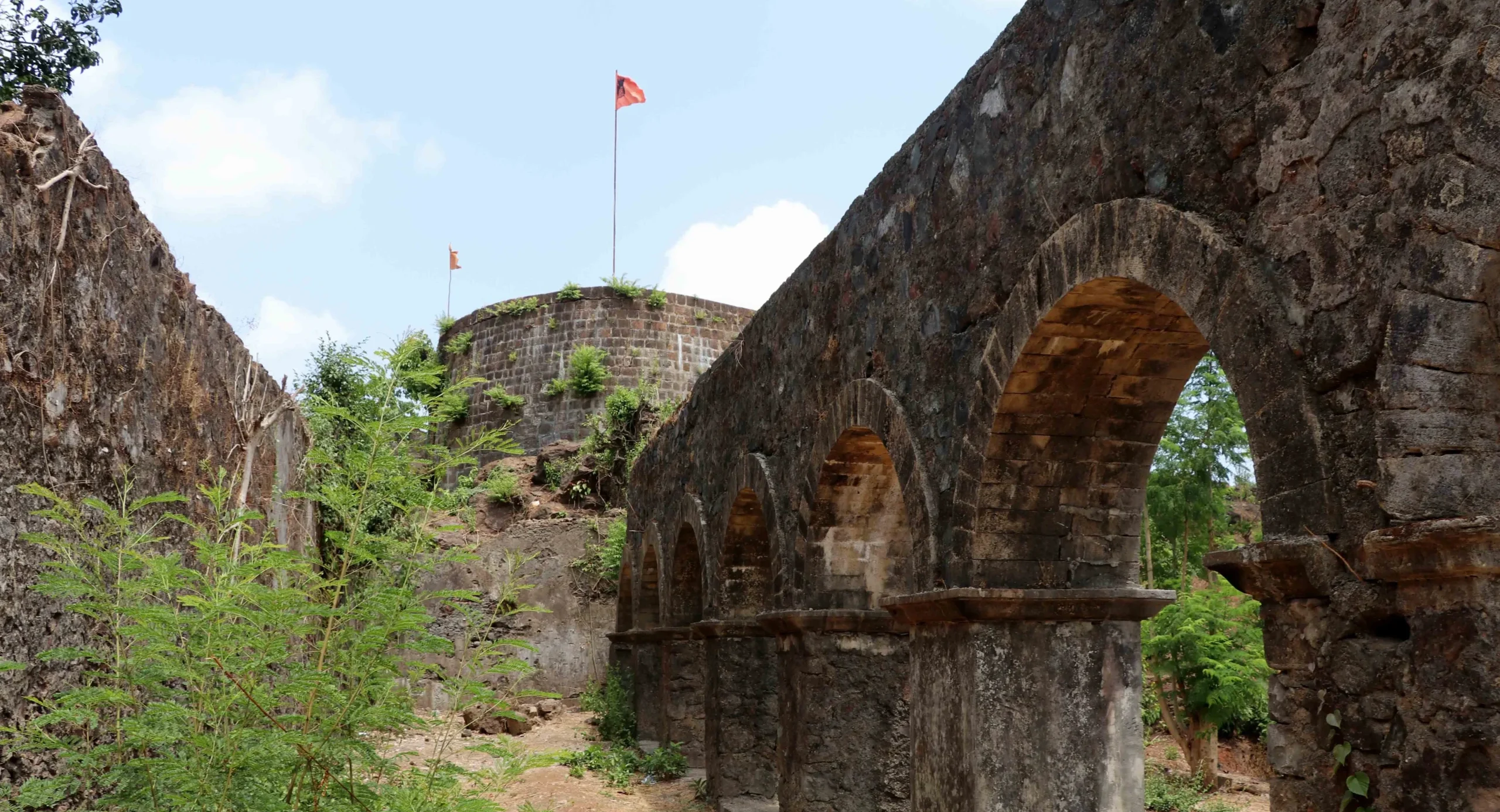
A lesser-known settlement along the Indore–Shirdi corridor is drawing attention for its layered cultural, historical, and scientific legacy, offering a glimpse into how regional travel routes can double as repositories of knowledge and identity. Located in Maharashtra’s Khandesh region, Chalisgaon is increasingly being recognised as more than a transit stop—emerging instead as a microcosm of India’s diverse intellectual and cultural traditions. Positioned roughly midway on a key inter-state travel route connecting Indore to Shirdi, the town sits at a geographical transition between the Malwa plateau and the Deccan plains. This shift in terrain is not just physical but cultural, reflecting a blending of central Indian and Maharashtrian influences that shape local language, architecture, and livelihoods.
Chalisgaon—often referred to as the “village of forty”—derives its name from historical administrative divisions, and has evolved into a regional node with a population nearing one lakh. Its significance, however, lies beyond demographics. The town is associated with medieval scholarship and is linked to the legacy of mathematician Bhaskaracharya, with nearby temple sites reflecting the intersection of science, spirituality, and regional history. One of the most intriguing features of the area includes architectural structures often described as “swinging towers,” which demonstrate early engineering ingenuity. While not widely documented in mainstream tourism circuits, such elements point to a deeper tradition of scientific curiosity embedded within local culture. This convergence of mathematics, mysticism, and architecture highlights how knowledge systems in pre-modern India were often interdisciplinary and place-based. From an urban development perspective, the rise in attention around such locations underscores a broader shift in travel and tourism patterns. Increasingly, travellers are moving beyond metropolitan hubs to explore smaller towns that offer authenticity, heritage, and ecological diversity. For cities like Indore, which function as gateways to regional networks, this opens up opportunities to integrate cultural tourism into economic planning. Connectivity plays a crucial role in this transformation. Chalisgaon’s position as a railway junction and its proximity to major road routes enhances accessibility, making it a viable stopover for long-distance travellers. At the same time, its distance of over 250 kilometres from Indore highlights the importance of inter-city corridors in shaping economic and cultural exchange. Urban planners suggest that such corridors can evolve into cultural and economic lifelines if supported by infrastructure, signage, and local enterprise development. However, the challenge lies in balancing visibility with preservation. Unregulated tourism risks eroding the very character that makes these places unique.
For Indore’s broader urban ecosystem, the growing relevance of towns like Chalisgaon signals an expanding regional footprint—where growth is no longer confined within city limits but extends along travel routes and interconnected settlements. As India’s urbanisation deepens, recognising and integrating these smaller nodes into planning frameworks could help distribute economic activity more evenly, reduce pressure on large cities, and preserve cultural landscapes that continue to shape regional identity.
ALSO READ – Indore Division Braces For Three Day Rain Spell
Indore Shirdi Route Village Blends History And Science
