


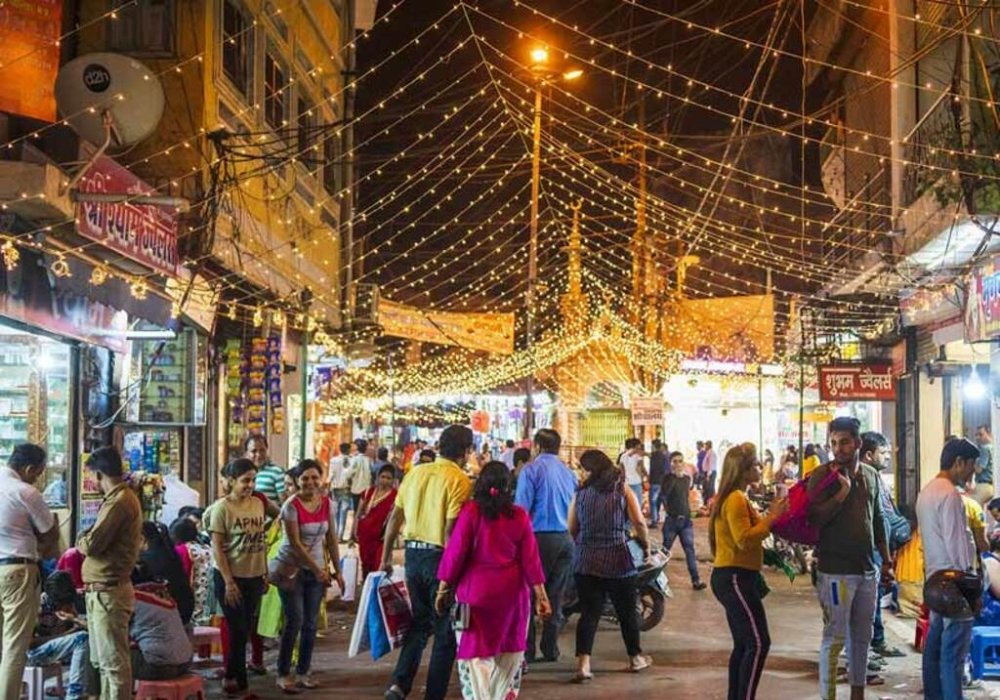
Indore’s famous street-food culture is facing an unexpected slowdown as rising energy and ingredient costs begin to affect prices at the city’s most popular night markets. Vendors at Sarafa Bazaar and other food hubs report fewer customers in recent weeks, as escalating costs linked to global geopolitical tensions push up the price of everyday snacks and meals. The change is particularly visible at Sarafa Bazaar, a jewellery market by day that transforms into a bustling night food street attracting locals and tourists after evening trading hours. Known for dishes such as poha, chaat, hot dogs and sweet desserts, the market is one of the defining symbols of Indore’s culinary identity.
However, stall owners say operating costs have risen sharply in recent months. Fuel prices, especially LPG used for cooking, have increased significantly, pushing up the overall cost of preparing street food. Vendors report that commercial LPG cylinder prices have surged from around ₹1,800 earlier to as high as ₹3,000–₹4,000, while electricity and packaging costs have also climbed. These pressures have forced small businesses to adjust menu prices across popular food streets such as Sarafa Bazaar and Chappan Dukan, another major culinary destination in the city. Price increases typically range from ₹1 to ₹10 per item, affecting snacks like samosas, kachoris, sabudana vada and local favourites such as Indore’s iconic hot dogs. Some vendors say the price adjustments have already begun to influence consumer behaviour. Families who once visited these food streets several times a week are now eating out less frequently, often limiting visits to once a week or even less. Customers estimate that a casual outing for two people that previously cost around ₹500 can now reach nearly ₹800. The shift reflects how global geopolitical developments can filter down into everyday urban life. Rising crude oil prices and supply disruptions linked to tensions in West Asia have increased transportation costs and the price of petroleum-derived products used in packaging and cooking fuel. These upstream cost increases eventually reach small businesses such as street-food vendors. For Indore, where food tourism and local snack culture are major elements of city identity, the trend has broader implications. The city’s street-food ecosystem supports thousands of micro-entrepreneurs—from stall owners and helpers to suppliers of ingredients and packaging materials. Urban economists note that small price increases may appear minor individually but can significantly affect demand in price-sensitive markets. Street food remains a vital affordable dining option for students, office workers and daily wage earners, making even modest inflation noticeable.
Despite the slowdown, vendors remain optimistic that customer numbers will stabilise if fuel and raw material prices ease. Many stall owners say they are trying to keep price hikes minimal to retain regular customers while managing rising operating costs. For now, however, Indore’s beloved night markets are witnessing a rare shift: a city famous for its enthusiastic food culture is learning to navigate the economic ripple effects of global energy and commodity shocks.
ALSO READ – Indore Street Food Prices Rise Amid LPG Costs
Indore Sarafa Market Faces Price Rise And Fewer Diners
