


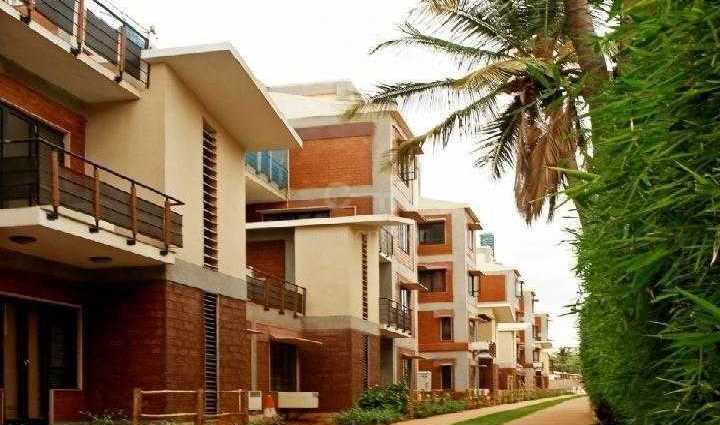
Residential communities across Indore are tightening oversight on tenancy and flat usage, as a rise in disputes and a recent fatal incident push housing societies to enforce long-standing rules more rigorously. The shift reflects growing concerns over safety, informal rental practices, and the changing nature of urban living in high-density residential clusters. Across several large townships, Resident Welfare Associations (RWAs) have begun stricter monitoring of tenants, limiting commercial use of residential flats, and regulating visitor access. The measures, while not new, are now being actively implemented after years of inconsistent enforcement, signalling a transition from advisory governance to rule-based residential management.
The renewed focus follows a high-profile conflict within a residential complex that escalated into a fatality, underscoring the risks associated with unregulated tenancy and short-term rentals. Authorities and community leaders say such incidents have exposed gaps in oversight, particularly in cases involving frequent tenant turnover, informal leasing, and platforms enabling temporary stays. At the core of the current enforcement push is a broader attempt to restore residential character in gated communities. RWAs are discouraging the conversion of flats into guest houses or commercial units, a practice that has grown alongside the expansion of digital rental platforms and investor-led property ownership. In parallel, background verification of tenants, documentation checks, and coordination with local police have become standard protocols in many societies. However, the tightening of rules—particularly around bachelor tenants—has also sparked debate. While many residents view restrictions as necessary for safety and social cohesion, urban policy experts caution that such measures may blur the line between regulation and exclusion. As cities like Indore attract students, young professionals, and migrant workers, equitable access to rental housing remains a critical challenge. The issue also highlights the evolving governance role of RWAs in Indian cities. In the absence of strong municipal oversight in day-to-day residential management, these associations are increasingly acting as de facto regulators, shaping norms around tenancy, usage, and community behaviour. This decentralised model can improve responsiveness but also raises concerns about consistency, transparency, and legal enforceability. From a real estate perspective, the trend could influence rental market dynamics. Stricter compliance may discourage informal leasing and push property owners towards documented agreements, aligning with broader efforts to formalise India’s rental housing ecosystem. Legal frameworks such as the Model Tenancy Act aim to reduce disputes through clearer rights and responsibilities, but implementation remains uneven across states.
For urban planners, the developments in Indore point to a deeper structural issue: the mismatch between rapid residential growth and governance mechanisms. As cities densify, ensuring safety, accountability, and inclusivity within housing communities becomes central to sustainable urban development. Going forward, the challenge will lie in balancing enforcement with fairness—ensuring that safety-driven regulations do not inadvertently restrict access to housing, while still addressing legitimate concerns around security, infrastructure strain, and quality of life in India’s expanding urban neighbourhoods.
ALSO READ – Indore Vehicle Registrations Drop Amid Ujjain Auto Fair
Indore RWAs Tighten Tenancy Rules Amid Rising Disputes
