


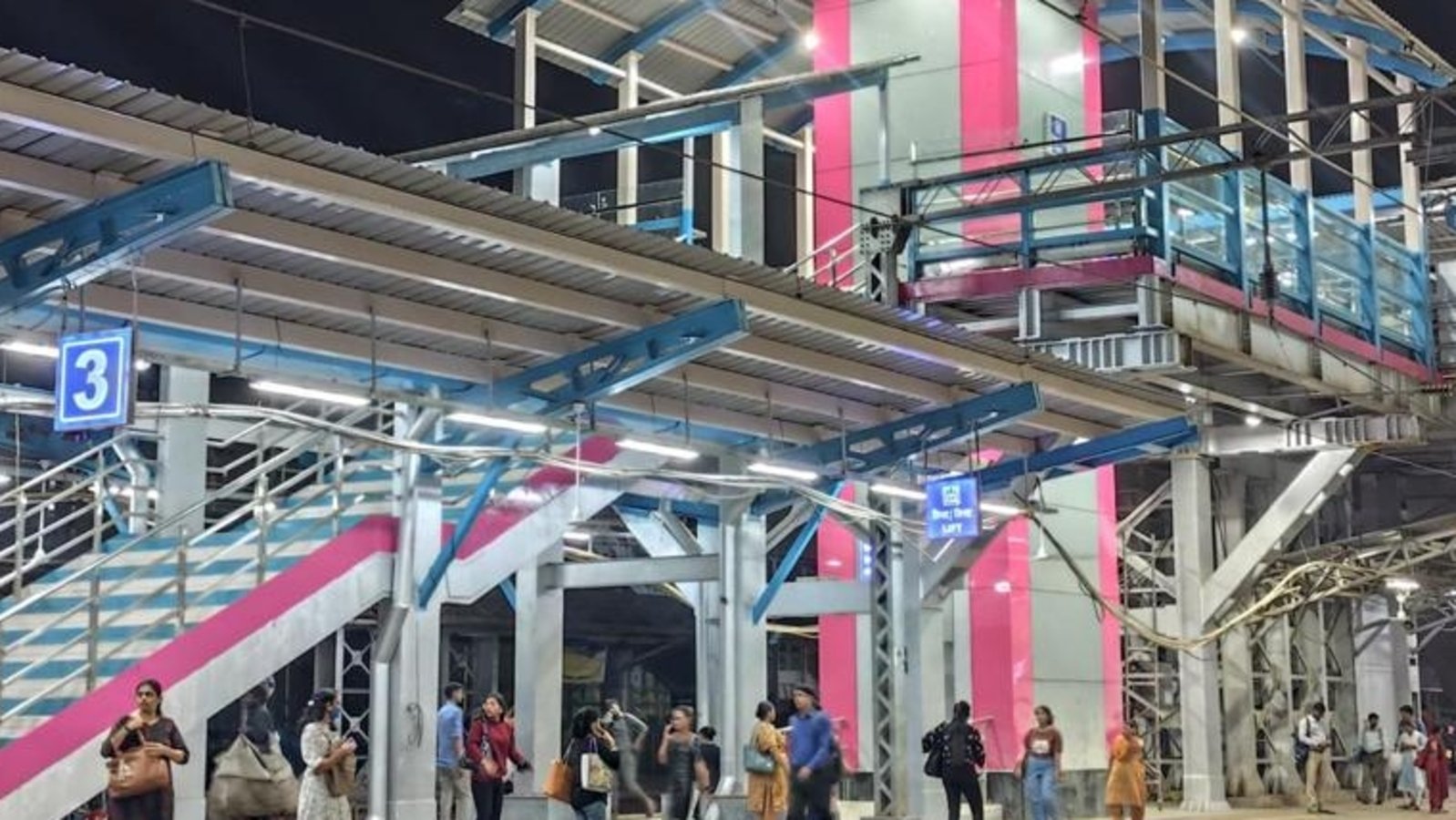
The transformation of Indore Railway Station under a national infrastructure modernisation programme is gaining pace, with authorities advancing plans to convert the historic transport hub into a multi-functional urban mobility centre. The ongoing Indore railway station redevelopment is part of the broader Amrit Bharat Station Scheme, aimed at modernising railway infrastructure while improving connectivity and passenger experience in rapidly growing cities. Officials overseeing the project say the redesign of the station will focus on improved passenger facilities, enhanced circulation areas, and integrated transport planning. The initiative aims to create a more efficient interchange point connecting rail services with urban transport networks, including buses and last-mile mobility systems across the city.
Urban planners note that the Indore railway station redevelopment represents a wider shift in how railway infrastructure is being planned in Indian cities. Instead of functioning solely as transit points, stations are increasingly being reimagined as urban gateways that combine mobility services, commercial activity, and public spaces. Authorities have indicated that upgrades will include expanded concourse areas, improved waiting facilities, upgraded platforms, and modern passenger amenities designed to accommodate rising travel demand. With Indore emerging as a major commercial and educational hub in central India, railway traffic has steadily increased in recent years, placing pressure on existing station infrastructure. Experts involved in urban transport planning say the Indore railway station redevelopment could also help reduce congestion in surrounding neighbourhoods if supported by integrated mobility planning. Transit-oriented design approaches — where stations connect seamlessly with local transport and pedestrian infrastructure — are increasingly viewed as essential for sustainable city growth. Another aspect of the redevelopment focuses on enhancing the visual and civic identity of the station precinct. Railway authorities are exploring architectural upgrades that reflect local cultural elements while improving the station’s role as a welcoming urban landmark. Urban infrastructure specialists argue that modern station redevelopment projects are no longer limited to structural upgrades. They also address accessibility for elderly passengers, improved wayfinding systems, energy-efficient building materials, and enhanced safety features. These elements align with broader goals of creating people-centred and climate-conscious urban infrastructure. The Amrit Bharat Station Scheme, under which the project is being implemented, aims to upgrade railway stations across the country through phased redevelopment strategies. By focusing on both passenger convenience and urban integration, the programme seeks to align railway infrastructure with the long-term mobility needs of expanding cities. For Indore, the station upgrade carries significance beyond rail travel. As one of the city’s busiest transport nodes, the station influences nearby commercial activity, hospitality services, and urban real estate patterns. Improvements to station infrastructure often stimulate investment in surrounding districts, contributing to local economic growth.
Urban development experts say the success of the Indore railway station redevelopment will ultimately depend on how effectively it integrates with the city’s broader mobility ecosystem, including metro projects, bus networks, and pedestrian infrastructure. If implemented as planned, the upgraded station could become a central pillar of Indore’s evolving transport landscape — improving commuter efficiency while supporting a more connected, accessible, and sustainable urban environment.
ALSO READ – Indore Fire Safety Order Targets Commercial Buildings
Indore Railway Station Redevelopment Gains Infrastructure Momentum
