Indore Narmada Phase IV Water Project Expands City Supply
A major drinking water infrastructure upgrade has been launched in Indore, where authorities have initiated the fourth phase of the long-running Narmada water project to move the city toward continuous household water supply. The programme is expected to significantly increase the city’s treatment and distribution capacity while extending piped connections to newly urbanising neighbourhoods on the metropolitan edge.Urban officials say the initiative, estimated at over ₹1,300 crore, is designed to expand total water availability to nearly 900 million litres per day within the next few years. That volume is intended to support a rapidly growing population expected to exceed six million in the coming decade, while also enabling the transition from intermittent supply to a 24-hour pressurised water system across large parts of the city.
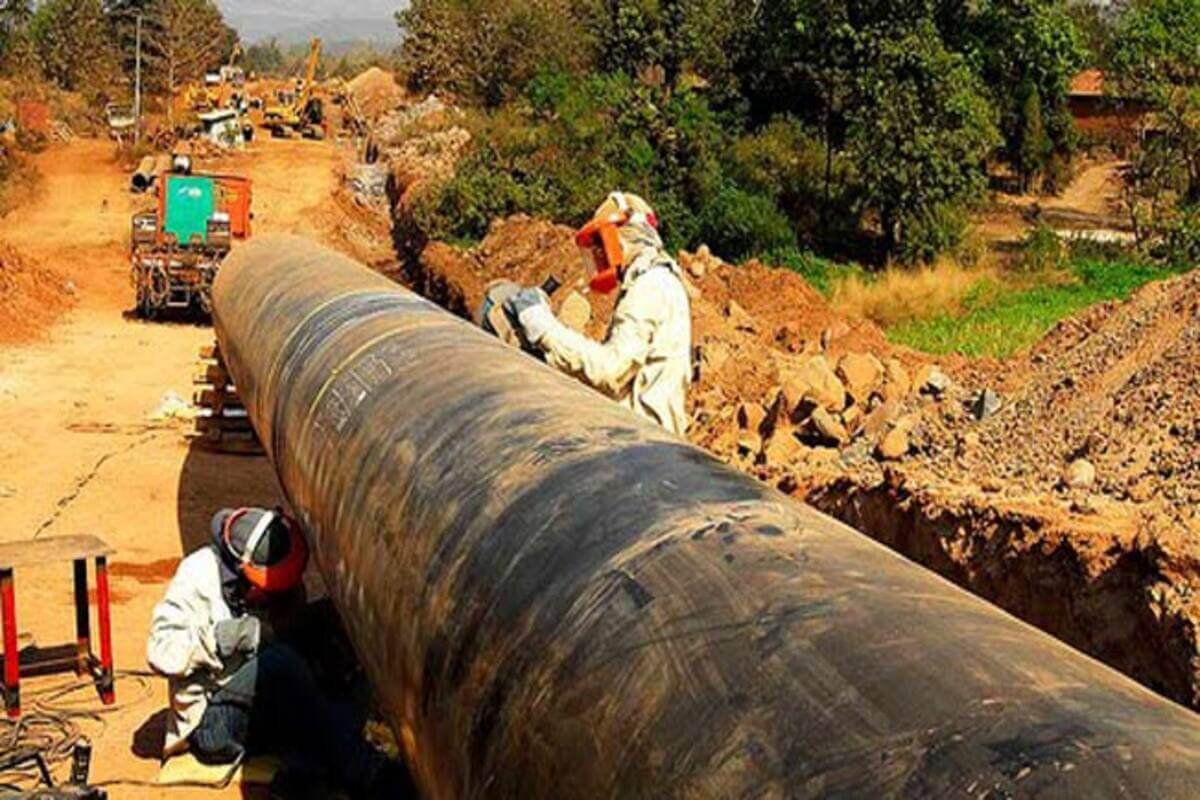
For Indore, which relies heavily on the Narmada River for its drinking water, the project represents the next step in a decades-long effort to secure reliable urban water sources as groundwater levels decline and older lakes struggle to meet demand. Water is pumped roughly 70–80 kilometres from the river basin before being treated and distributed through municipal pipelines. The Narmada water project expansion also reflects the changing geography of the city. In recent years, the municipal boundary has absorbed dozens of surrounding villages as development spreads outward. Many of these peripheral areas still depend on tanker deliveries or limited-duration water supply cycles. Extending treated surface water to these communities is expected to reduce inequality between established urban neighbourhoods and newly integrated settlements.Infrastructure works under the current phase include a new intake system, treatment facilities, extensive pipeline networks and additional elevated storage tanks. Thousands of new household connections are expected to be created as distribution networks are upgraded across expanding residential zones. Digital monitoring systems are also planned to track water flows in real time, helping utilities identify leaks, regulate pressure and improve overall network efficiency.
Urban planners say such monitoring tools—often referred to as district-metered areas—are essential if cities want to maintain round-the-clock supply without escalating losses. Continuous supply systems typically reduce contamination risks and cut long-term operational costs, but they require well-maintained pipelines and reliable monitoring.The project coincides with efforts to strengthen urban environmental safeguards. Authorities have also invested in sewage treatment infrastructure to reduce wastewater discharge into nearby lakes and wetlands, a step aimed at protecting sensitive ecosystems while expanding urban services.Experts note that reliable drinking water is increasingly tied to economic competitiveness. As industrial activity, logistics hubs and housing developments expand across the Indore–Ujjain metropolitan corridor, stable water infrastructure becomes central to supporting both residents and new investment.
However, specialists caution that large surface-water schemes must be paired with conservation and groundwater recharge programmes to remain sustainable. Cities dependent on distant rivers often face rising energy costs and climate risks.If implemented effectively, the Narmada water project could transform Indore’s water security model—shifting the city from periodic supply cycles toward a resilient, technology-enabled urban utility system designed for a much larger metropolitan future.