


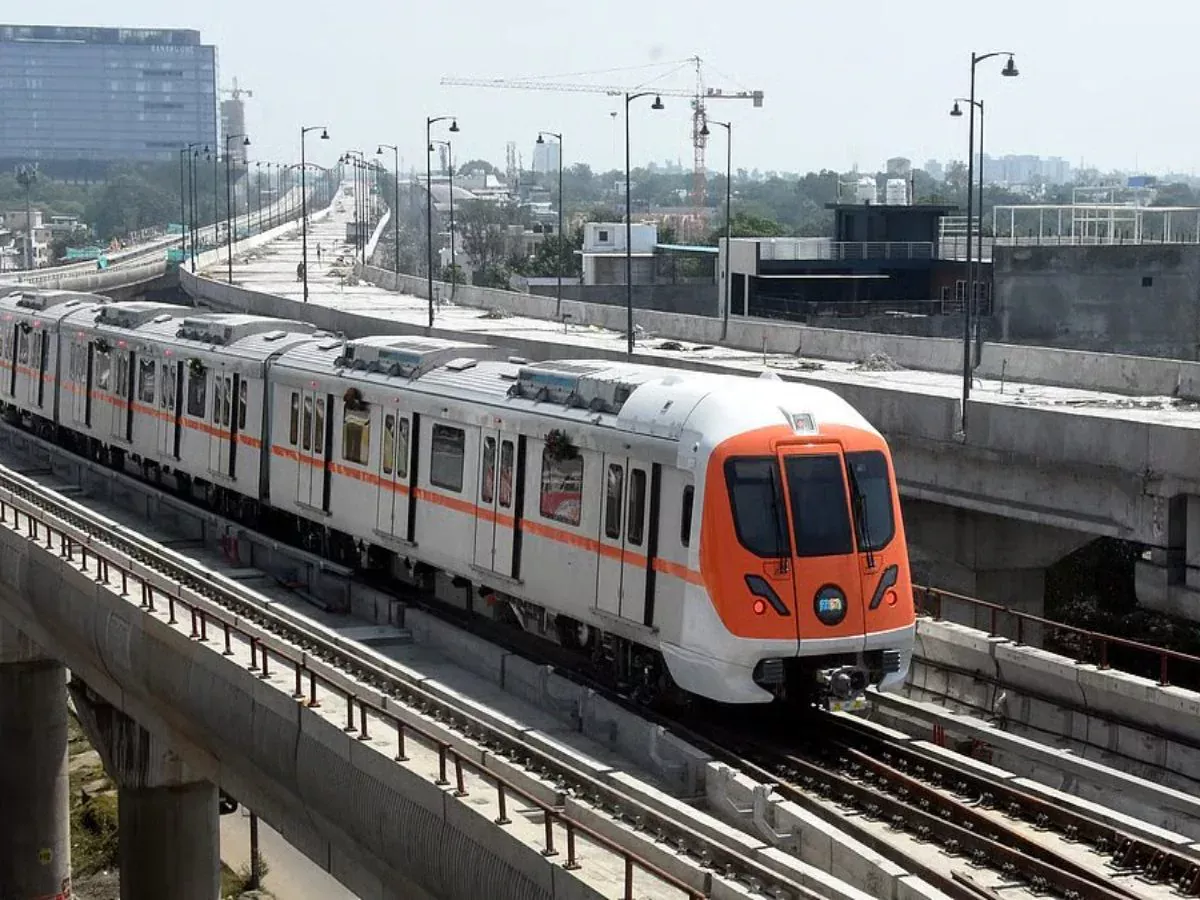
Indore’s metro rail project has entered a critical phase with the testing of key safety systems, marking a step closer to operational readiness for the city’s first mass rapid transit network. The trials, conducted across priority sections, are aimed at ensuring that core systems meet stringent safety and reliability standards before passenger services begin. Authorities overseeing the project are focusing on integrated testing of essential components such as signalling, braking, communication systems, and emergency response protocols. These systems form the backbone of metro operations, ensuring that trains run safely at high frequencies while maintaining precise coordination across the network.
Urban transport experts highlight that safety validation is one of the most complex stages in metro development. Unlike physical infrastructure, system integration requires multiple technologies to function seamlessly under real-time conditions. Any gaps in testing can lead to operational risks, making this phase crucial for long-term reliability and public trust. For Indore, the metro represents a significant shift in urban mobility planning. As one of India’s fastest-growing cities, it faces increasing pressure on road networks, rising vehicle ownership, and associated environmental challenges. A functional metro system can provide a high-capacity, low-emission alternative, helping to reduce congestion and improve air quality over time. The safety trials also reflect the growing emphasis on standardisation and regulatory oversight in India’s metro projects. Independent assessments and multi-layered verification processes are becoming the norm, ensuring that systems comply with national and international benchmarks before being cleared for operations. From a commuter perspective, reliable safety systems are fundamental to encouraging adoption. Public confidence in metro services depends not only on convenience and speed but also on perceived safety. Well-tested systems can reduce operational disruptions, enhance punctuality, and create a more predictable travel experience. The project’s progress also has broader economic implications. Efficient public transport can improve access to jobs, education, and services, particularly for residents in peripheral areas. By reducing travel times and costs, metro systems contribute to more inclusive urban growth and support productivity in expanding cities.Sustainability remains a central consideration in the metro’s development. Electric rail systems produce significantly lower emissions compared to private vehicles, especially when powered by cleaner energy sources. As cities like Indore scale up such infrastructure, the focus is increasingly on integrating transit-oriented development to maximise environmental and social benefits.
Officials indicate that further rounds of testing and regulatory approvals will follow before commercial operations begin. The timeline will depend on the successful completion of safety validations and compliance checks. As Indore prepares for the launch of its metro, the current testing phase will play a decisive role in shaping the system’s performance and public acceptance. If executed effectively, it could set the foundation for a more sustainable, efficient, and inclusive urban transport network.
ALSO READ – Nagpur Summer Special Trains Expand Seasonal Travel Capacity
Indore Metro Safety Testing Advances Before Operations
