


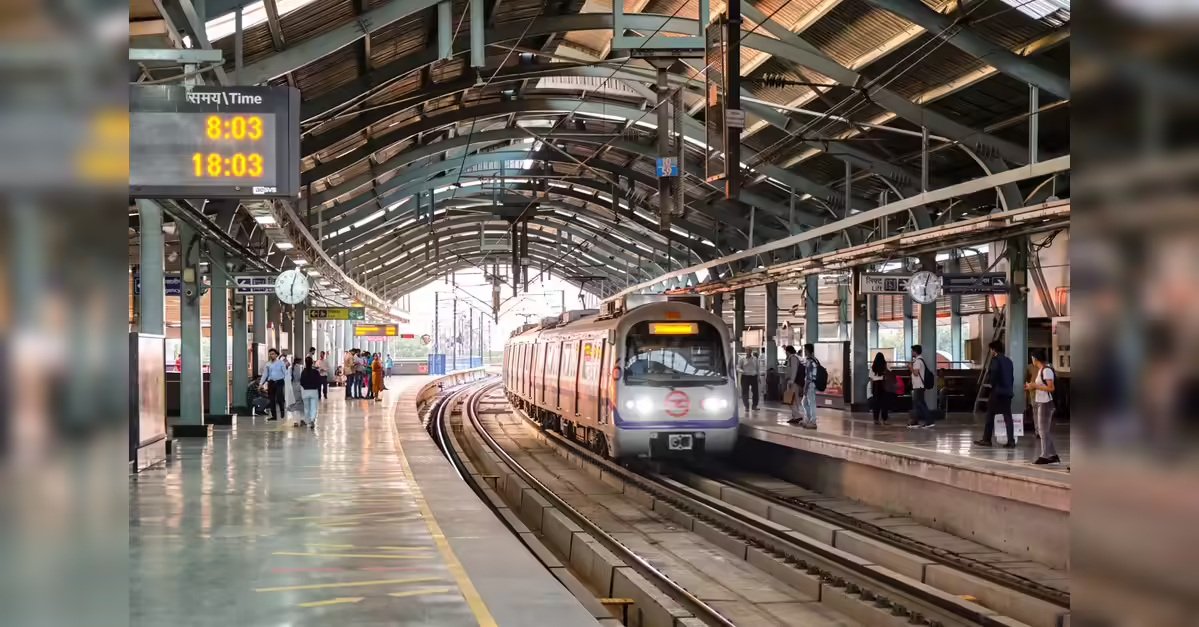
Indore’s metro expansion has moved a step closer to operational readiness, with the second phase clearing a critical inspection milestone and progressing towards final approvals. The Indore Metro phase two development marks an important stage in the city’s efforts to build a structured, high-capacity public transport system. Authorities overseeing the project have completed technical inspections required before advancing to the next stage of regulatory clearance. The Indore Metro phase two corridor is expected to expand connectivity across key urban zones, strengthening links between residential areas and economic centres.
Urban transport experts note that the expansion of metro infrastructure in tier-two cities like Indore reflects a broader shift towards sustainable mobility solutions. As cities grow, reliance on private vehicles often leads to congestion, longer travel times, and higher emissions. Rail-based transit systems offer a more efficient and environmentally sustainable alternative. The Indore Metro phase two project is also expected to influence urban development patterns. Transit corridors often attract residential and commercial activity, leading to the emergence of transit-oriented development clusters. Such growth can promote more compact, walkable neighbourhoods and reduce the need for long-distance commuting. From an infrastructure perspective, completing inspection milestones indicates progress in ensuring safety and system reliability. Experts highlight that rigorous testing and certification processes are essential to maintaining high standards in metro operations, particularly as networks expand. The economic implications of the Indore Metro phase two expansion are also significant. Improved connectivity can enhance labour mobility, support business activity, and increase accessibility to employment opportunities. This, in turn, can contribute to more balanced urban growth. However, experts caution that the success of metro systems depends on integration with other modes of transport. Last-mile connectivity, fare affordability, and seamless interchange with buses and other services are critical to achieving high ridership levels. The Indore Metro phase two initiative also aligns with broader climate goals. Public transport systems that reduce dependence on private vehicles can play a key role in lowering urban carbon emissions. As India’s cities look to become more climate-resilient, investments in mass transit are becoming increasingly important. A senior official indicated that the focus will now shift to completing remaining formalities and preparing for operational rollout. Ensuring that all safety, signalling, and passenger service systems are fully functional will be essential before opening the corridor to the public.
As Indore continues to expand, the metro network is expected to play a central role in shaping its mobility landscape. The progress of Indore Metro phase two reflects a commitment to building infrastructure that supports both economic growth and environmental sustainability. Looking ahead, the effectiveness of the system will depend on how well it integrates with the broader urban fabric, ensuring that public transport becomes a viable and preferred option for daily commuting.
ALSO READ – Maharashtra Highway Upgrade Boosts Regional Connectivity Growth
Indore Metro Phase Two Clears Key Inspection Stage
