Indore Gateway Distriparks Drives New ICD Investment
Indore — A major private logistics operator’s entry into Central India signals a shift in how freight and industrial supply chains may shape up around Indore and the Pithampur industrial belt.
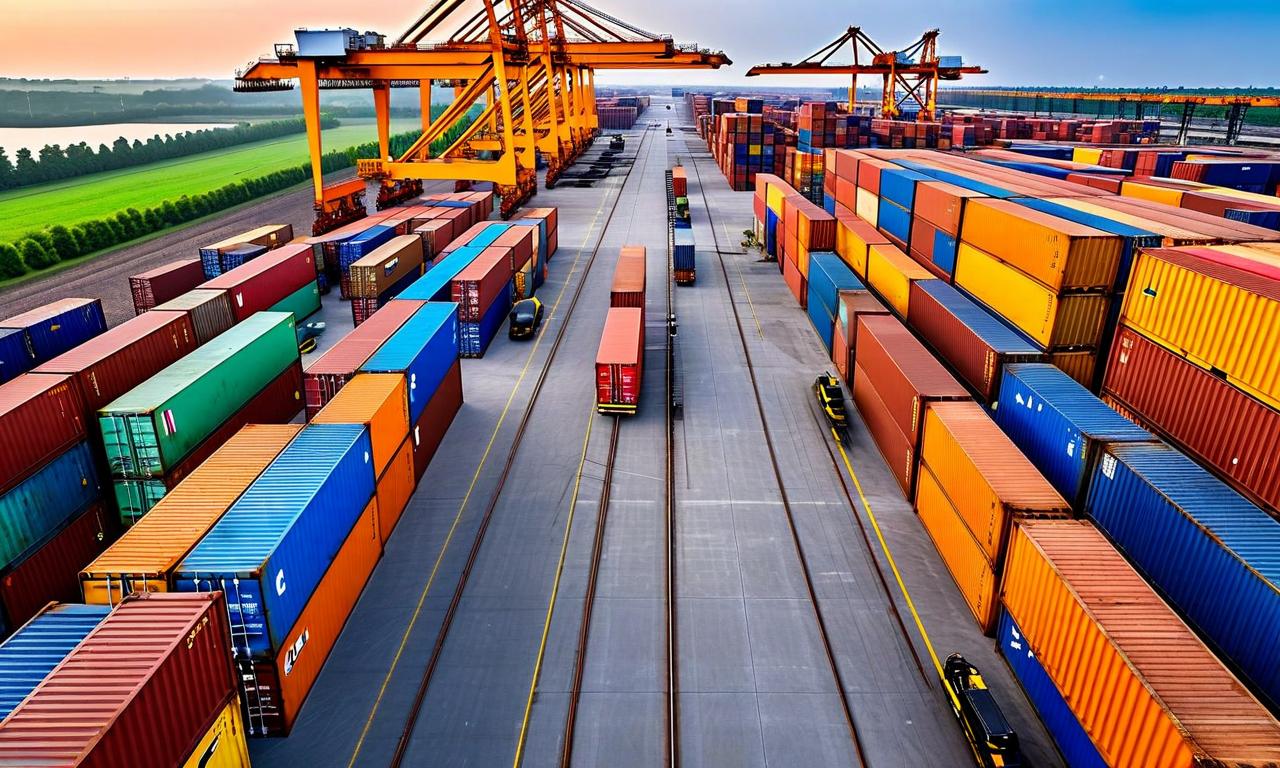
Gateway Distriparks Limited (GDL) has committed an estimated ₹150 crore to develop an Inland Container Depot (ICD) near the city — its first such facility in Madhya Pradesh — aimed at strengthening rail-led multimodal connectivity for both export-import (EXIM) and domestic cargo. The ICD project, sited on approximately 25 acres near the Pithampur Industrial Area, has received in-principle approval from Indian Railways and will feature two dedicated rail sidings alongside integrated container handling infrastructure. Once operational, it is designed to handle around 120,000 twenty-foot equivalent units (TEUs) annually, offering a pivotal logistics node for manufacturers in automotive, engineering, pharmaceutical and allied sectors.
For the industrial clusters surrounding Indore — including Pithampur, Dewas, Ujjain and Dhar — the new ICD represents more than a container handling facility. Industry analysts suggest it could materially reduce reliance on long-haul trucking, improve predictability in freight schedules, and lower logistics costs that have traditionally burdened regional exporters due to distance from major seaports. By shifting volume from road to rail, the facility aligns with national strategies to raise rail-freight’s modal share, enhance containerisation, and reduce the carbon footprint of supply chains. “This development marks Gateway’s strategic entry into Central India,” notes a logistics sector expert, “creating a logistical spine that could support regional industry competitiveness while advancing more sustainable freight movement.” Indeed, this facility complements other investments in rail connectivity and logistics infrastructure planned in the corridor, including upgrades that aim to link Indore more efficiently with the Dedicated Freight Corridor and major sea ports.
Beyond pure cargo throughput, the ICD is expected to offer mains services such as bonded warehousing, container handling, rail transport operations, and last-mile distribution — creating new economic activity around Indore’s logistics ecosystem. GDL’s expansion here underscores a broader trend: private operators are increasingly anchoring infrastructure growth in secondary cities and industrial belts, where robust logistics frameworks can catalyse manufacturing and foreign trade competitiveness. For local supply chains, the timing dovetails with escalating manufacturing capacity in the Pithampur belt and renewed policy emphasis on seamless trade corridors. Economists specialising in transport and urban planning caution, however, that unlocking full benefits will require seamless integration with broader rail networks and active coordination with public infrastructure plans, including proposed multimodal logistics parks and rail-linked industrial corridors.
City planners and industry stakeholders will be watching execution and connectivity improvements closely, as the ICD moves from land acquisition to operational phase. If managed effectively, the facility could not only clip logistics inefficiencies but also help bolster Indore’s role as a multimodal logistics hub supporting Central India’s industrial growth — with implications for jobs, exports, and sustainable urban-region development.