


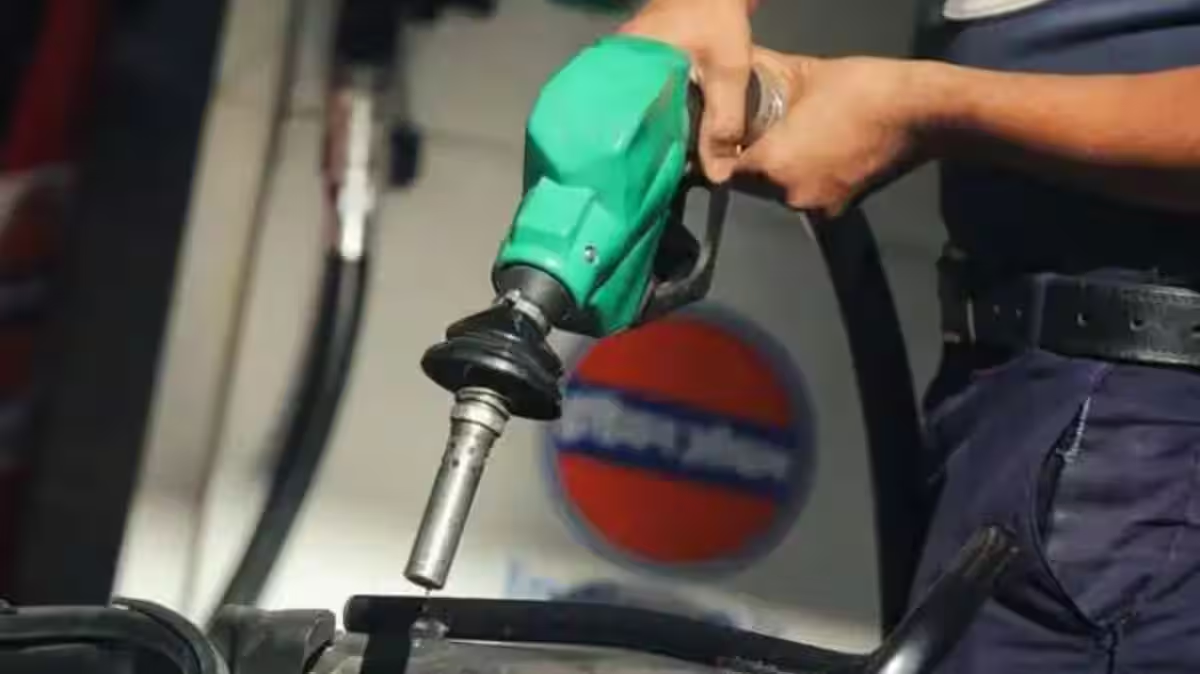
Fuel stations across Indore have witnessed long queues and intermittent dry-outs as supply disruptions triggered a wave of panic buying, exposing the fragility of urban energy distribution systems. The situation has affected daily commuting, logistics operations and small businesses, highlighting how dependent cities remain on uninterrupted fuel availability. The disruption, now widely referred to as the Indore fuel shortage, has led to extended waiting times at petrol pumps, with some outlets temporarily running out of stock. Residents rushed to refuel vehicles amid uncertainty over supply restoration, intensifying pressure on already constrained inventories.
Transport operators say the Indore fuel shortage has begun to affect mobility across the city. Commercial vehicles, including delivery services and small logistics operators, rely on steady fuel access to maintain daily operations. Any disruption can delay goods movement, increase costs and affect supply chains that serve both local markets and regional trade. Urban economists note that fuel supply disruptions have cascading effects on city economies. When transport systems are affected, sectors such as retail, construction and services experience indirect impacts due to delays in movement of goods and people. Indore, one of central India’s fastest-growing urban centres, has seen a steady increase in vehicle ownership in recent years. Rising demand for mobility services has made the city’s fuel distribution network a critical component of its urban infrastructure. The Indore fuel shortage also underscores the challenges of managing energy logistics in expanding cities. Fuel supply chains depend on coordinated operations involving refineries, transport networks, storage facilities and retail outlets. Disruptions at any point in this chain can quickly translate into shortages at the consumer level. Urban planners say the episode highlights the need for resilient urban energy systems. Diversification of transport energy sources—such as electric mobility, public transport expansion and alternative fuels—can reduce dependence on conventional petrol and diesel. From a sustainability perspective, reducing reliance on fossil fuels is also essential for improving air quality and lowering greenhouse gas emissions in urban areas. Cities that invest in electric vehicles, charging infrastructure and efficient public transport systems are better positioned to manage energy shocks. The Indore fuel shortage has also raised questions about demand management during supply disruptions. Panic buying can exacerbate shortages, creating temporary spikes in demand that strain supply systems further.
Authorities are expected to work with fuel distributors to stabilise supply and restore normal operations at petrol pumps. Ensuring clear communication during such disruptions is considered critical to preventing unnecessary panic among consumers. For Indore’s residents and businesses, the episode serves as a reminder of the importance of reliable energy infrastructure in maintaining urban stability. As cities grow and mobility demands increase, strengthening fuel supply systems and exploring alternative energy solutions will be key to building more resilient and sustainable urban environments.
ALSO READ – Bengaluru Budget Spurs Real Estate Growth
Indore Fuel Shortage Triggers Queues Across City
