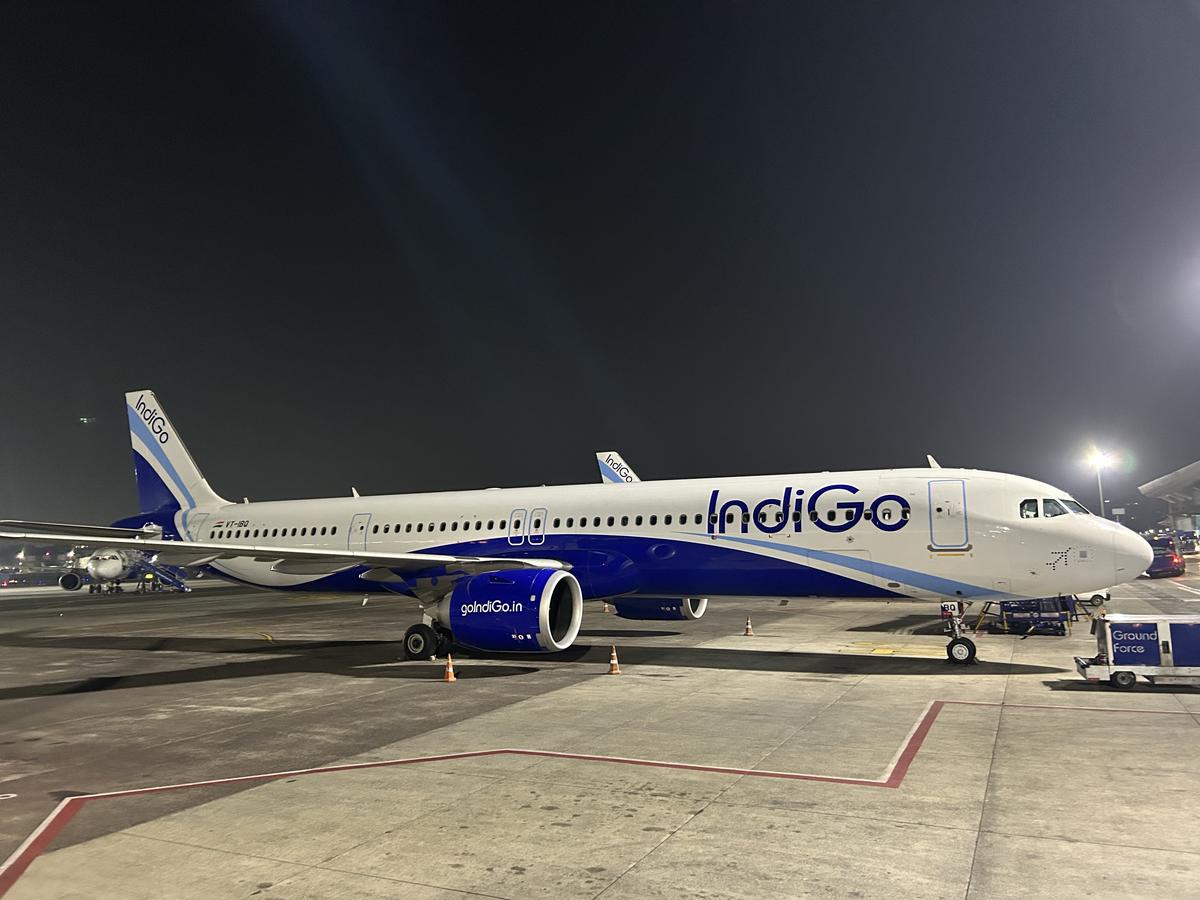
Indore Flight Makes Emergency Landing After Technical Gear Alert
According to airport officials, the pilot received a warning signal related to the landing gear as the flight approached Indore airspace. In line with emergency protocols, fire and medical response teams were activated, and the airport’s operations briefly switched to emergency mode. Although such alerts are rare, aviation authorities treat them with utmost seriousness to prevent potential mishaps. The passengers remained calm during the hold-in pattern, and the crew followed all required safety measures until the landing was executed without incident.
This event draws attention to the growing demand for routine safety maintenance and system audits in domestic aviation. While the technical snag did not result in visible damage or harm, experts suggest that increased flight frequency across India’s tier-2 cities may be putting added stress on older aircraft components. Regional airports like Indore are witnessing higher air traffic and must upgrade their emergency infrastructure and SOP capabilities to manage such high-pressure scenarios efficiently and swiftly. Post-landing, the aircraft underwent detailed technical inspections before being grounded for safety evaluations. Officials noted that the airline would not allow the aircraft to resume service until it cleared all mandatory post-incident checks.
IndiGo Airlines issued a statement expressing regret over the inconvenience and reassured customers of their commitment to passenger safety. Alternate travel arrangements were reportedly made for onward journeys, though no secondary flight cancellations were officially confirmed.This emergency landing is a reminder of the need for proactive investment in aviation safety and decentralised crisis response systems at regional airports. Aviation analysts highlight that incidents like these, though rare, reinforce the critical importance of predictive maintenance and real-time diagnostic technologies in Indian civil aviation. With aircraft operating multiple short-haul routes daily, especially across growing regional sectors, the wear and tear on systems like undercarriage gear can accelerate if not meticulously monitored.
Experts advocate the use of AI-enabled diagnostics and sensor-based alerts that can flag potential mechanical issues before they escalate mid-air. Additionally, stakeholders stress the urgency of empowering regional airport staff with advanced simulation training and modern response infrastructure to handle technical emergencies smoothly. In the case of Indore, the swift deployment of fire and medical teams in alignment with Standard Operating Procedure proved effective, yet the incident underscores a systemic need to prioritise safety investments. As India aims to connect its hinterlands through ambitious aviation schemes, robust safety assurance frameworks—particularly at tier-2 and tier-3 city airports—will be pivotal in building public confidence and avoiding disruptions that may otherwise impact both passengers and airline operations.
As urban centres expand and air travel demand surges across India, the ability of cities like Indore to handle technical emergencies with calm, coordination, and care reflects their readiness to scale sustainably. Strengthening monitoring tools, training crews for rapid decision-making, and upgrading emergency response systems must remain a priority in the country’s aviation growth trajectory.