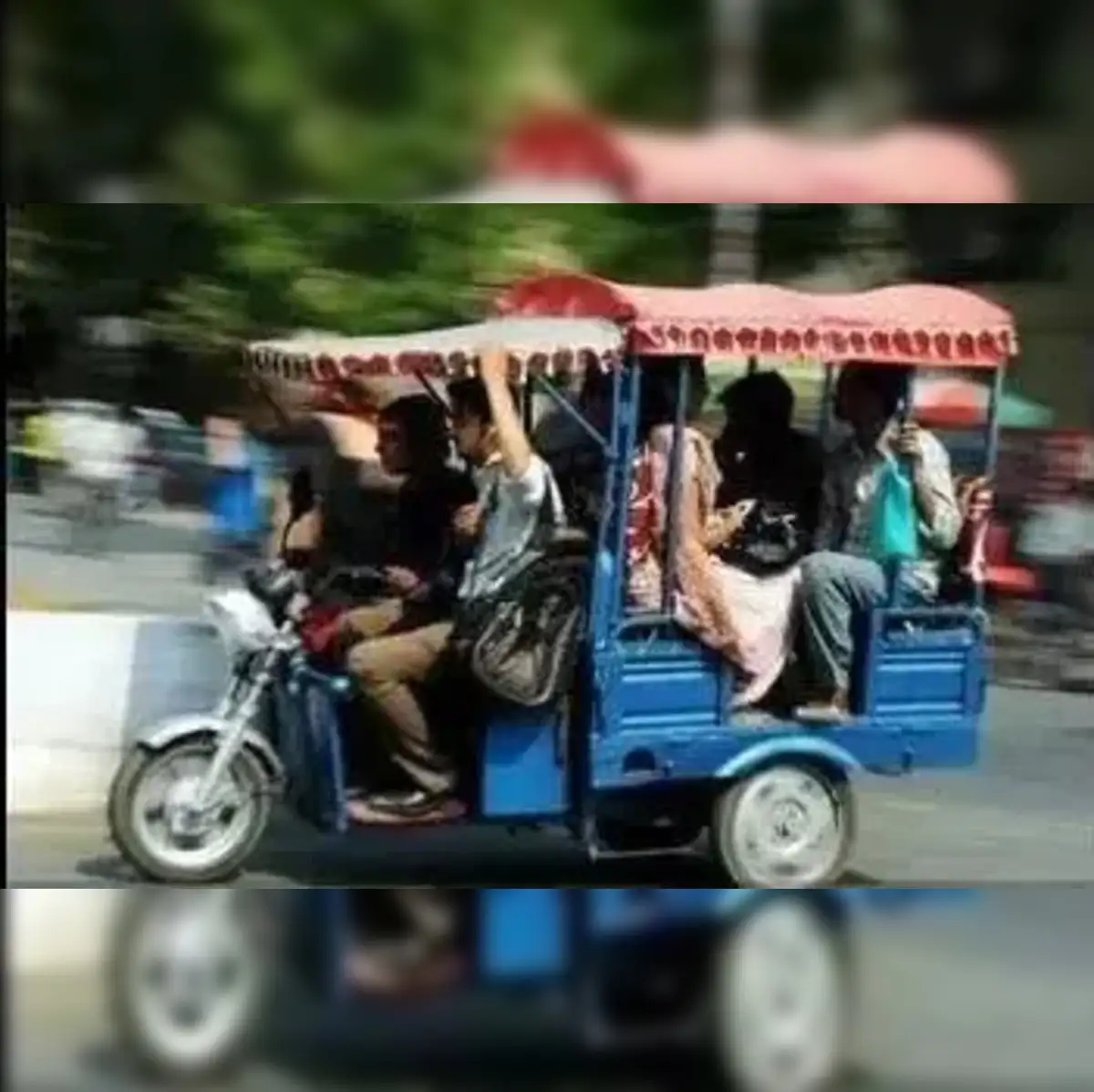
Indore Enforces New E‑Rickshaw Traffic Rules From March
Indore is implementing a comprehensive set of traffic rules for e‑rickshaws from March 26 in a bid to enhance road safety, streamline last‑mile mobility and reduce frequent accidents linked to these ubiquitous three‑wheelers. The move comes as civic and traffic authorities aim to balance informal transport growth with safer, more organised urban movement across the rapidly expanding city.
The new framework, rolled out by local police, targets core behavioural risks that have contributed to recent urban road incidents, including wrong‑side travel, excessive speed, and erratic route choices. More than ten e‑rickshaw‑related accidents were reported in a single week prior to implementation, some resulting in serious injuries. Under the revised guidelines, Indore’s roughly 10,000‑plus e‑rickshaws are divided into four designated zones spanning eight police precincts, with specific operating paths assigned to each cluster. Registration drives have begun immediately, and vehicles that flout the new directional or speed rules will face fines and potential impoundment. Minors and intoxicated individuals will be barred from operating e‑rickshaws, reflecting a broader emphasis on operator fitness and compliance. Urban transport analysts suggest that formalising routes and clarifying rights of way can reduce chaos on mixed‑traffic corridors, where e‑rickshaws often compete with two‑wheelers, cars, and buses. In cities like Indore, where e‑rickshaws fill an important mobility gap between public transit and remote neighbourhoods, ad‑hoc driving behaviour has frequently exacerbated congestion and heightened risk at peak hours.
The introduction of clearly delineated zones and enforcement mechanisms also aligns with broader goals of promoting safe, inclusive urban mobility. Informal transport modes—while essential for last‑mile connectivity—must operate within a framework that protects pedestrians and other road users. Evidence from other Indian metros shows that lack of regulation in micro‑mobility often leads to risky behaviours such as sudden lane changes and illegal crossings, which contribute to traffic unpredictability. Local officials are pairing enforcement with awareness drives, engaging both drivers and commuters about the new norms. Police visibility will be increased on main junctions and routes previously identified as high‑accident zones, and compliance checks will be conducted daily. Residents and commuters have expressed mixed reactions. Some welcome the clearer rules, hoping for smoother traffic flow and reduced near‑miss incidents, while others raise concerns about economic impacts on drivers who depend on e‑rickshaw earnings and may face revenue loss if routes are restricted or fines are heavy. Urban planners caution that regulatory measures should be balanced with support systems—such as driver training programmes and incentives for safer operations—to ensure that informal transport remains viable while safer.
The new regulations place Indore among a cohort of Indian cities seeking to formalise informal transport without stifling mobility access. Success will depend on sustained enforcement, public buy‑in, and integration with broader traffic management plans that prioritise safety, efficiency, and inclusive access for all road users.