Indore Elevated Corridor Faces Legal and Planning Doubts
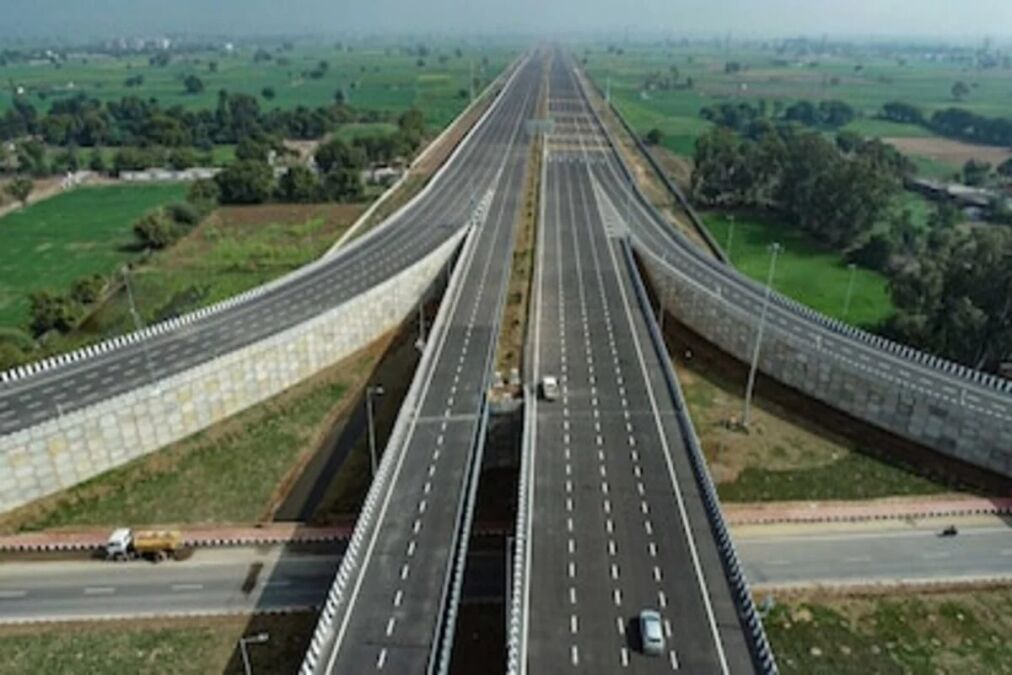
Indore’s proposed elevated corridor along one of the city’s busiest urban arteries has been thrust into legal and planning uncertainty after the Madhya Pradesh High Court flagged serious gaps in the project’s foundational traffic assessment. In hearings this week, the court questioned why preliminary construction proceeded without a fresh, comprehensive survey — raising broader concerns about evidence-based infrastructure planning and urban mobility outcomes in fast-growing Indian cities. The 6‑kilometre elevated corridor between LIG Square and Navlakha Square on AB Road — envisioned to ease congestion in central Indore — has long been part of the city’s transport strategy. However, a public interest litigation (PIL) argues that officials resurrected the plan in 2024 without conducting an updated traffic survey commensurate with current urban growth. Petitioners told the High Court that existing data, reportedly showing the corridor would meaningfully benefit only a fraction of daily commuters, is outdated and insufficient for such a major intervention. During the hearing before a division bench, judges pressed state agencies to justify why preliminary groundwork was underway despite the absence of fresh empirical traffic analysis. Government counsel was given until early April to file a detailed response, underscoring judicial insistence on rigorous planning standards for large‑scale infrastructure.
Urban planners note that elevated roads can be transformative in dense cities only when backed by robust multimodal transport assessments. “Lack of updated traffic studies makes it difficult to predict whether such corridors deliver the projected congestion relief or simply shift bottlenecks elsewhere,” said an independent transportation analyst. Without such studies, they add, expenditure risks prioritising engineering spectacle over functional resilience. (Analyst insight . The PIL also touches on project cost escalation — officials initially sanctioned around ₹350 crore nearly half a decade ago, but estimates now exceed ₹500 crore amid design revisions and inflation. Critics argue this raises questions about fiscal discipline and cost‑benefit alignment in public infrastructure. Beyond the elevated corridor dispute, the city is witnessing sweeping changes in its transport infrastructure. Urban authorities have dismantled much of the city’s Bus Rapid Transit System (BRTS) to reallocate road space and repurpose railings for interim traffic management — a move that reflects shifting priorities but has drawn mixed public reactions.
For Indore’s residents and road users, the court’s scrutiny signals a crucial juncture. The elevated corridor, if justified and properly planned, could reshape mobility for thousands daily. But the absence of up‑to‑date technical groundwork — and judicial insistence on rectifying that — highlights the need for data‑driven decision‑making in urban transport investment. (Urban planning expert observation) As the next hearing approaches, stakeholders are watching closely to see whether authorities will align the corridor project with contemporary traffic realities — a test case for sustainable mobility planning in India’s burgeoning cities.