


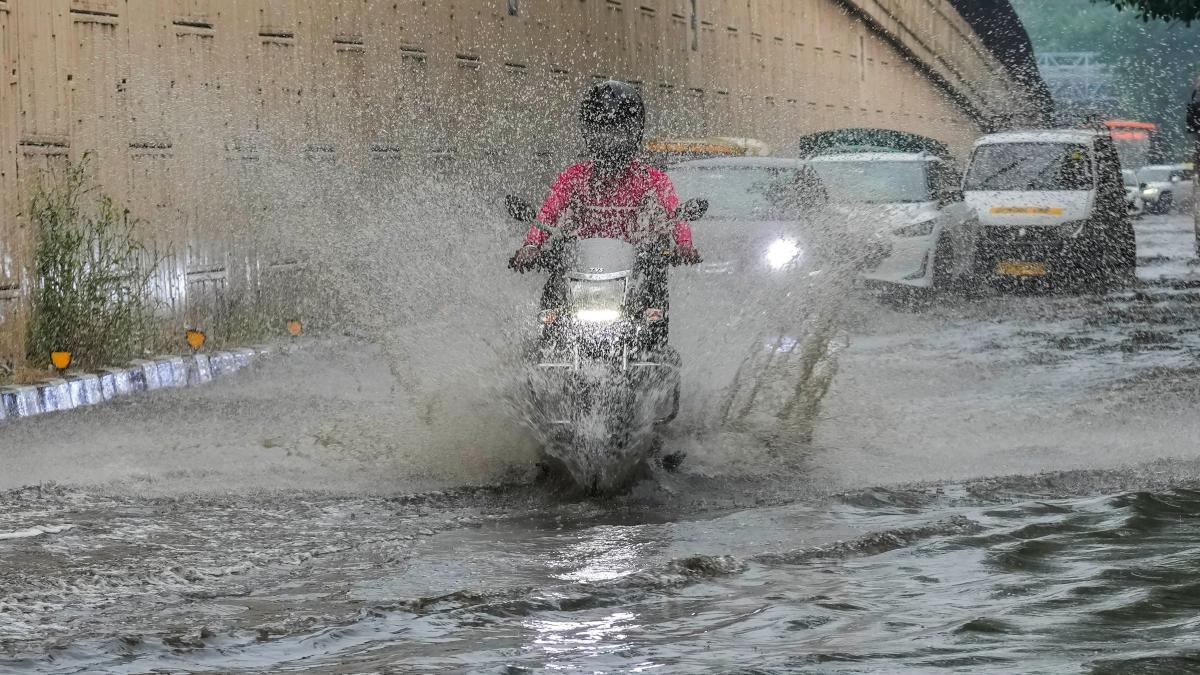
A three-day spell of rain and thunderstorms is expected to sweep across large parts of Madhya Pradesh, including the Indore and Jabalpur divisions, offering temporary relief from rising temperatures while raising concerns around urban preparedness. The weather shift, forecast to begin shortly, reflects a broader transition in pre-monsoon climate patterns affecting central India. Meteorological agencies indicate that an active weather system will trigger rainfall accompanied by strong winds and lightning across multiple districts. Wind speeds may reach 40–50 km/h, with precipitation intensifying over the second and third days of the event.
The alert covers a wide geographic spread, including major urban centres and smaller towns. Early showers have already been reported in parts of the state, signalling the onset of instability in atmospheric conditions. The India Meteorological Department has also warned of thunderstorms and squalls across both western and eastern regions of Madhya Pradesh over the coming days. For cities like Indore, this Madhya Pradesh rain alert arrives at a critical moment. March has seen heat levels nearing 40°C in several districts, placing stress on urban infrastructure, water demand, and energy consumption. The expected rainfall is likely to moderate temperatures temporarily, but it also exposes gaps in stormwater management and drainage systems that are often tested during sudden downpours. Urban planners note that short-duration, high-intensity rainfall events are becoming more frequent, requiring cities to adapt beyond traditional monsoon preparedness. Even moderate rain can lead to waterlogging in dense neighbourhoods where drainage networks are outdated or encroached upon. In past instances, similar weather patterns have disrupted traffic, affected low-lying residential areas, and strained civic services. The Madhya Pradesh rain alert also has implications for peri-urban and rural economies linked to city regions. Early-season rainfall can support soil moisture and agricultural activity, but unpredictable intensity may damage crops or delay sowing cycles. For urban markets dependent on these supply chains, fluctuations in agricultural output can influence food prices and availability. Climate experts point to a growing need for integrated weather-responsive urban planning. This includes improving real-time forecasting systems, strengthening emergency response mechanisms, and investing in resilient infrastructure such as permeable surfaces, upgraded drainage, and flood mitigation measures.
Authorities have advised residents to remain cautious during the forecast period, particularly in areas prone to water accumulation or electrical hazards. Lightning and strong winds pose additional risks, especially in densely built zones with overhead wiring and informal structures. As cities like Indore continue to expand, such weather events highlight the intersection of climate variability and urban growth. While the immediate impact may be temporary cooling, the longer-term lesson lies in building cities that can absorb and adapt to increasingly erratic weather patterns—ensuring safety, continuity, and resilience in the face of changing climate realities.
ALSO READ – Indore RWAs Tighten Tenancy Rules Amid Rising Disputes
Indore Division Braces For Three Day Rain Spell
