


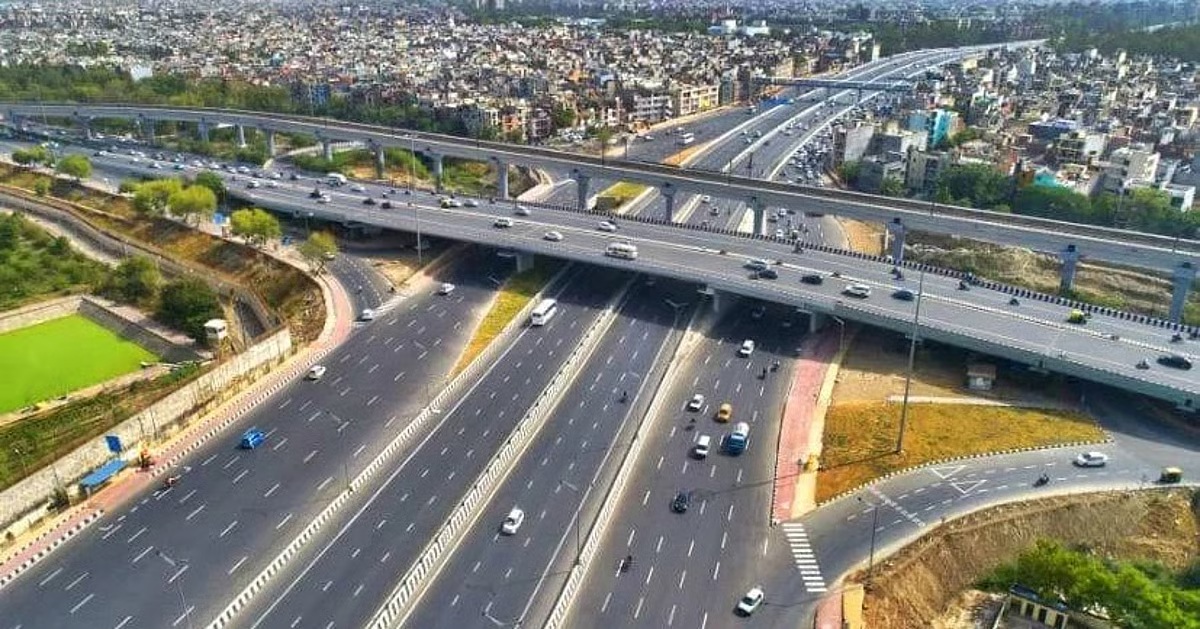
Indore is witnessing a significant shift in its urban mobility strategy as sections of the Bus Rapid Transit System (BRTS) corridor are being repurposed to accommodate an elevated road project. The move marks a departure from dedicated public transport infrastructure towards road-based capacity expansion, raising questions about long-term transport planning and sustainability in the city. The BRTS corridor, originally developed to prioritise high-capacity bus transit and reduce congestion, had been a central element of Indore’s public transport network. However, with parts of the corridor now being utilised for elevated road construction, the city appears to be recalibrating its approach to managing rising traffic volumes.
Officials involved in the project suggest that the elevated corridor is intended to ease surface-level congestion and improve traffic flow along key urban stretches. Yet, urban transport experts caution that reallocating space from public transport systems to private vehicle infrastructure can have unintended consequences, including increased car dependency and reduced efficiency of mass transit. The decision reflects a broader tension seen in many Indian cities, where immediate congestion pressures often drive investments in road expansion, even as long-term planning frameworks emphasise sustainable and inclusive mobility. Dedicated transit corridors like BRTS are designed to move more people using fewer vehicles, making them a critical component of low-emission urban transport systems. The Indore BRTS corridor transformation also has implications for accessibility. Public transport systems serve a wide demographic, including students, workers, and lower-income residents who rely on affordable mobility options. Reducing or altering these corridors could affect travel reliability and increase commuting costs for these groups. From an environmental perspective, prioritising road infrastructure over mass transit can contribute to higher emissions and energy consumption. Elevated corridors may improve traffic speeds in the short term, but they often induce additional demand for private vehicle use, offsetting initial gains and leading to long-term congestion challenges. Urban planners argue that cities need to balance infrastructure investments with broader mobility goals. Integrating multiple modes of transport — including buses, non-motorised transport, and rail systems — is essential for creating efficient and sustainable urban mobility networks. Repurposing dedicated transit space should therefore be carefully evaluated within this larger framework.
The project also raises governance and planning considerations. Transparent decision-making and stakeholder engagement are critical when altering established transport infrastructure, particularly when such changes affect daily commuters. Ensuring that alternative public transport options are strengthened will be key to maintaining mobility equity. As Indore continues to grow, its infrastructure choices will shape travel behaviour and urban form for years to come. The ongoing transformation of the BRTS corridor highlights the need for integrated planning that aligns short-term congestion relief with long-term sustainability and inclusivity goals.
ALSO READ – Indore Water Supply Overhaul To Improve System Efficiency
Indore BRTS Corridor Repurposed For Elevated Road Project
