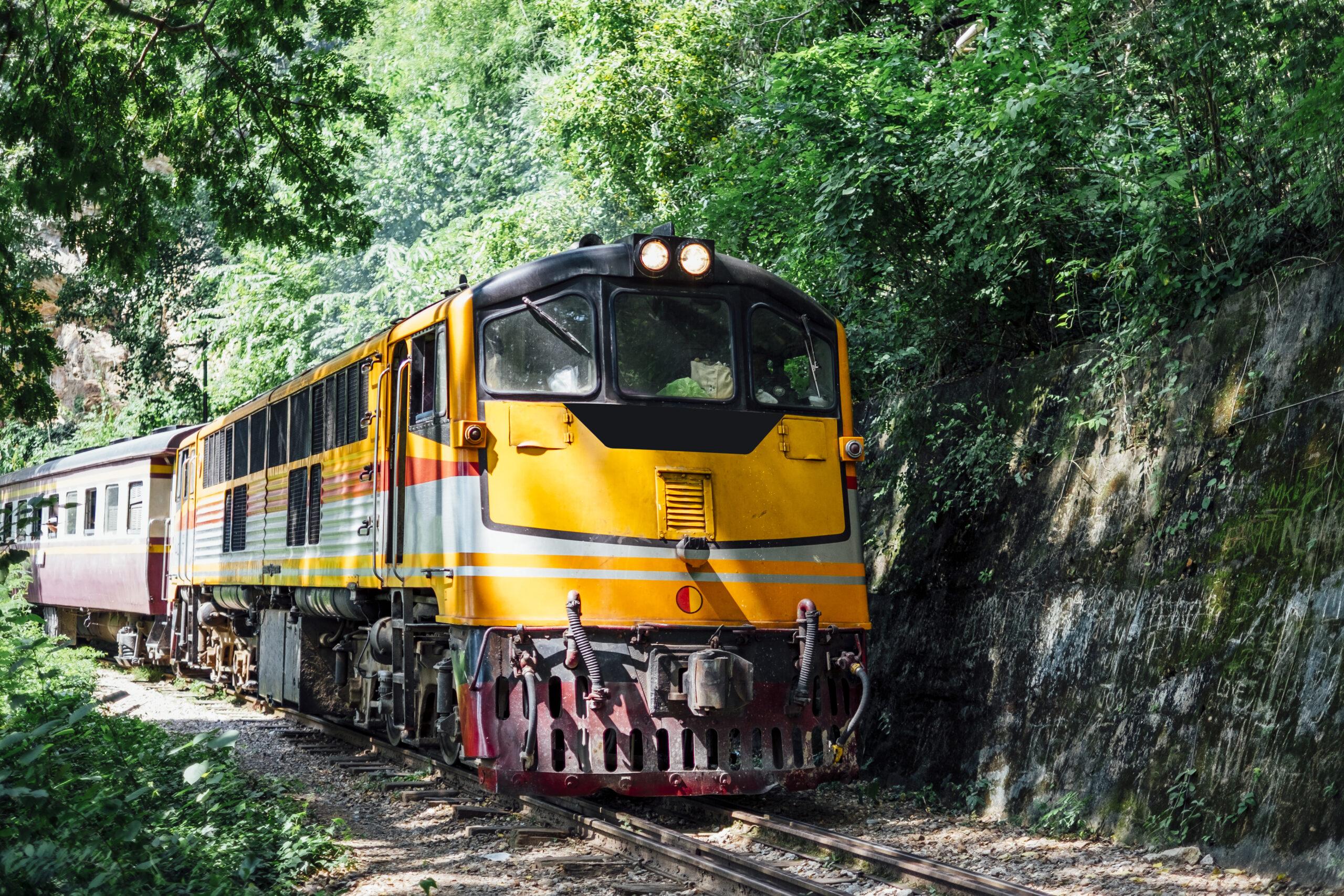
In a move that blends spiritual tourism with modern rail travel, the Indian Railway Catering and Tourism Corporation (IRCTC) has announced the launch of a special Bharat Gaurav Deluxe AC Train from Indore to Nepal this October. The initiative, aimed at boosting regional connectivity and cross-border tourism, will take pilgrims and travellers on the ‘Pashupatinath Darshan Yatra,’ linking central India with the Himalayan nation’s revered temple city.
Departing on 4 October 2025, the train is designed not only as a mode of transport but as a curated travel experience. With boarding points at Nagpur, Indore, Ujjain, Shujalpur, Sehore, Bhopal, Itarsi, Narsinghpur, Jabalpur, and Katni, the journey promises to connect smaller cities and towns with an international pilgrimage circuit. According to officials, this itinerary ensures accessibility to a wide section of society, including both spiritual seekers and leisure travellers.
The train is being promoted as a “tourism on wheels” model, featuring modern facilities such as a rail restaurant, infotainment system, CCTV surveillance, and onboard security staff. In line with sustainable travel goals, IRCTC has underscored the train’s role in reducing dependency on individual air travel by offering a low-carbon group alternative, thus lowering per capita emissions for international tourism.
The package extends beyond rail travel to include vegetarian meals, hotel stays, sightseeing through air-conditioned buses, guided tours, and travel insurance. The destinations cover not only Nepal’s sacred Pashupatinath Temple but also Janakpur, Kathmandu, Pokhara, and Chitwan National Park, thereby weaving together cultural, spiritual, and ecological experiences. For many passengers, this represents a rare chance to engage in faith-based travel while also encountering the biodiversity and heritage of Nepal. Fares for the package start at ₹63,850 for the Comfort Class, rising to ₹99,125 for the Luxury Coupe option. Officials emphasised that the pricing reflects an all-inclusive model where food, accommodation, transport, and security are built into the ticket, removing uncertainties for passengers.
Beyond religious tourism, experts view the initiative as part of India’s larger strategy to promote “rail-based tourism circuits” that are sustainable, equitable, and accessible. By integrating modern comfort with cultural exploration, the Bharat Gaurav train strengthens people-to-people ties between India and Nepal, while offering a safer and greener alternative to fragmented travel modes. As cities across India push towards sustainable mobility, initiatives like these reinforce railways as a cornerstone of low-carbon tourism. For Indore, often recognised as India’s cleanest city, hosting such a journey adds a layer of cultural diplomacy while supporting eco-friendly travel. The Bharat Gaurav model, therefore, marks more than a pilgrimage; it reflects a growing shift towards climate-conscious tourism infrastructure that connects regions without compromising on sustainability.