Indore Bhagirathpura water crisis fuels political accountability debate
Indore — A deepening public health crisis linked to contaminated municipal water in the Bhagirathpura area of Indore has escalated into a political and civic flashpoint, with the Leader of Opposition in the Madhya Pradesh Assembly vowing to forcefully raise the issue in the forthcoming legislative session.
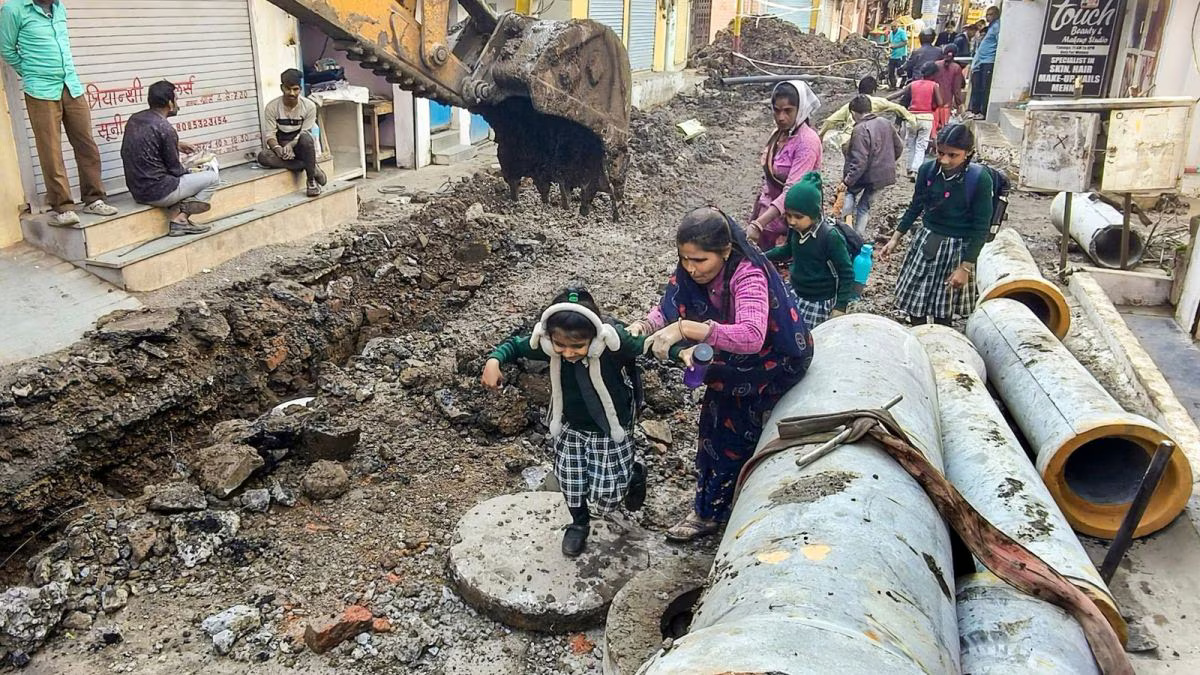
The incident — involving alleged sewage intrusion into drinking water supplies that has sickened hundreds and been associated with multiple deaths — highlights longstanding gaps in infrastructure oversight and basic service delivery in a city long celebrated for its cleanliness accolades.Opposition leaders have sharply criticised the state government’s response, alleging that contaminated water — described in field assessments as dirty, foul-smelling and unfit for consumption — has poured into residences and caused widespread illness and fatalities. They argue that despite repeated complaints from residents, authorities failed to pre-emptively repair damaged pipelines or ensure safe potable water, raising questions about administrative responsiveness. According to official accounts, leakage in the municipal drinking water pipeline in Bhagirathpura allowed sewage-tainted water to mix with the supply, triggering diarrhoeal outbreaks and other waterborne illnesses.
Over the course of several weeks, more than a thousand residents have reported symptoms consistent with contaminated water consumption, prompting extensive hospital admissions and community anxiety. The exact death toll remains contested: local reports and civil society claims suggest that dozens of people — including infants, the elderly and vulnerable adults — have died with potential links to the crisis, while government figures have varied, citing a smaller number of confirmed fatalities following laboratory findings. This discrepancy has further fuelled public distrust and demands for transparent, accountable investigation. Public health experts and urban water system planners stress that systemic infrastructure maintenance and real-time monitoring are essential to preventing such tragedies, underscoring how failures in water quality governance disproportionately affect marginalized communities.
Residents have decried that in a city repeatedly recognized for its cleanliness, access to safe drinking water was compromised, drawing scrutiny to the disconnect between civic branding and essential service delivery.In response to the crisis, the Madhya Pradesh High Court has constituted an independent judicial commission to probe the causes of the contamination, review administrative actions or omissions, and recommend measures to avert future outbreaks. The commission’s mandate includes gathering evidence, inspecting infrastructure, and gauging official accountability, signaling judicial recognition of the crisis’s gravity.As political leaders prepare to amplify the issue in the state assembly, urban development analysts note the broader implications for municipal governance in rapidly urbanizing Indian cities.
The episode underscores how strategic investments in resilient water infrastructure, transparent oversight, and community-aligned monitoring systems are fundamental to sustainable urban living. Residents and civil society groups are now pressing for concrete timelines on infrastructure upgrades, regular water quality audits, and ongoing public disclosure so that access to safe, clean water becomes a lasting reality rather than a political slogan.