


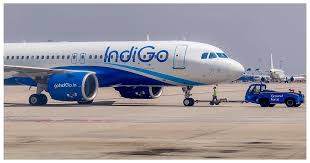
A recent technical malfunction aboard an IndiGo flight bound for Raipur, forcing an unscheduled return to Devi Ahilyabai Holkar Airport, has once again brought the critical issue of aviation safety to the forefront of public discourse. This incident, involving 51 passengers who experienced a jarring mid-air jolt, marks the second such occurrence for the airline in just over two weeks, prompting renewed concerns over maintenance protocols and the broader regulatory framework governing India’s rapidly expanding aviation sector.
While all passengers were safely offloaded and no injuries reported, the recurring nature of these events demands a thorough examination and underscores the urgent need for a more robust and responsive safety ecosystem to safeguard traveller confidence and propel the industry towards a more sustainable future. The IndiGo flight (6E-7295), initially slated for a 6:35 a.m. departure, took off marginally earlier at 6:28 a.m. from Indore. Approximately thirty minutes into its trajectory, and roughly 100 kilometres from its origin, the aircraft reportedly experienced an abrupt jolt, instigating considerable alarm among those on board. Accounts from passengers detail a sudden, unsettling tremor, quickly escalating anxieties within the cabin. The pilot, demonstrating exemplary professionalism, promptly communicated with Indore Air Traffic Control (ATC) upon receiving what authorities later described as potentially false technical alarms within the cockpit, securing immediate clearance for a return to base. The aircraft executed a safe landing back in Indore at 7:15 a.m., ensuring the well-being of all individuals. Following the incident, airline management opted to cancel the flight, providing passengers with the option of a full refund or re-scheduling their travel.
While airport officials have suggested the cockpit alerts may have been erroneous, a comprehensive internal inspection of the aircraft by maintenance teams has been initiated. This probe aims to ascertain the precise cause of the malfunction and implement preventative measures to avert future disruptions. The recurrence of such incidents, however, has ignited a fervent debate among travellers and aviation experts alike regarding the efficacy of current safety protocols. Just a fortnight prior, on June 23, another IndiGo Airbus A320 Neo (flight 6E 6332), en route from Indore to Bhubaneswar, was compelled to return from the runway due to an identified technical issue. In that particular instance, over 80 passengers endured a two-hour delay on board while the problem was addressed.
The escalating frequency of these technical snags, irrespective of their eventual categorisation as “false alarms,” casts a shadow over passenger confidence. In an era where cities strive for enhanced liveability, which includes reliable and safe public transportation, such incidents represent a critical challenge. The psychological impact on travellers, as evidenced by recent data indicating a dip in airport footfalls following significant aviation incidents, cannot be understated. A robust safety record is paramount not only for an airline’s financial health but also for fostering a sense of security that is fundamental to the sustained growth of the aviation sector, particularly in emerging markets like India.
From a business journalistic perspective, the ramifications extend beyond immediate flight disruptions. Repeated safety concerns can impact an airline’s brand equity, potentially leading to a shift in consumer preference towards competitors perceived as more reliable. This could necessitate increased marketing expenditure to regain trust, alongside the direct costs associated with flight cancellations, refunds, and maintenance. Furthermore, increased scrutiny from regulatory bodies, such as the Directorate General of Civil Aviation (DGCA), could lead to more stringent operational requirements or penalties, impacting profitability. The long-term viability of airlines hinges on their unwavering commitment to safety, translating into significant investment in cutting-edge maintenance technologies, continuous crew training, and proactive identification and mitigation of potential risks.
Beyond the immediate technical rectifications, this situation presents an opportunity for the Indian aviation industry to align more closely with principles of sustainable and equitable development. A focus on “zero net carbon” aspirations for cities, for instance, could extend to encouraging airlines to accelerate their adoption of Sustainable Aviation Fuel (SAF) and invest in newer, more fuel-efficient aircraft. This not only reduces environmental impact but also inherently contributes to enhanced operational reliability due to advanced design and reduced wear. Moreover, ensuring gender neutrality within the aviation workforce, from maintenance engineers to pilots and air traffic controllers, can foster a more diverse and resilient talent pool, contributing to a holistic improvement in safety culture and overall operational excellence. The DGCA has already issued advisories to promote gender equality in the sector, aiming for 25% representation of women by 2025, a move that could ultimately strengthen safety oversight through varied perspectives and expertise.
The recent incidents serve as a vital reminder that while India’s aviation sector is experiencing unprecedented growth, this expansion must be meticulously balanced with an uncompromising commitment to safety. As Indian cities evolve into smarter, more eco-friendly, and equitable urban centres, the infrastructure supporting them, including air travel, must reflect these values. This involves a collaborative effort among airlines, regulatory bodies, and technology providers to invest in proactive safety measures, embrace sustainable practices, and cultivate a culture where every technical anomaly is not merely addressed but rigorously analysed to prevent future occurrences, thereby solidifying public trust in air travel as a cornerstone of modern, thriving urban ecosystems.
Also Read :Bhubaneswar Airport Launches Rs 1,000 Cr Expansion with New Terminal 3 and Eco Upgrades
