


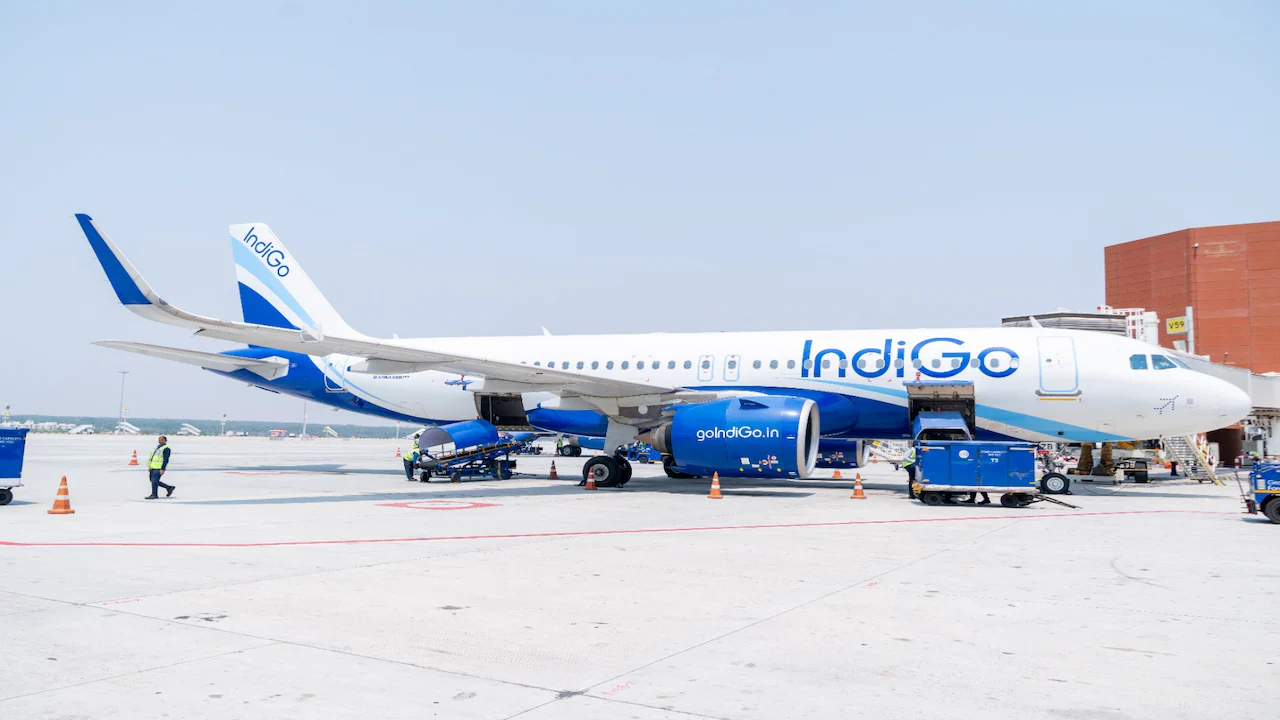
A Delhi-to-Goa IndiGo flight was forced to make an emergency landing at Mumbai’s Chhatrapati Shivaji Maharaj International Airport late on Tuesday night, following a technical failure involving one of its engines. The quick decision by the flight crew to divert and land safely potentially averted a serious aviation incident, according to officials familiar with the matter.
The Airbus A320neo, operating as flight 6E-6271, declared a full emergency after experiencing a mid-air engine malfunction. The aircraft landed safely in Mumbai at approximately 9:52 PM, where emergency response teams were already on standby. The number of passengers onboard has not been officially disclosed, but no injuries have been reported. According to airport officials, the flight was cruising en route to Goa when a technical snag was detected in one of the engines. Adhering to standard operating procedures, the pilots requested an immediate diversion to the nearest major airport equipped to handle emergency landings—Mumbai in this case. Aviation experts noted that such incidents, while rare, are managed through robust emergency protocols that prioritise passenger safety.
A spokesperson for IndiGo confirmed the emergency landing and assured that all passengers were safe. “Following operational protocols, the aircraft was diverted and landed in Mumbai where it is currently undergoing necessary checks. An alternate aircraft has been arranged to carry the passengers to their destination,” the official said. The incident has once again highlighted the importance of routine maintenance and technical vigilance in India’s aviation sector, which is seeing rapid growth in both domestic and international travel. The Airbus A320neo, a widely used model known for its fuel efficiency, has occasionally come under scrutiny due to engine reliability issues, though experts maintain that such cases remain statistically low.
While the airline expressed regret over the inconvenience caused, it reiterated its commitment to maintaining the highest standards of safety for passengers, crew, and aircraft. In line with aviation regulations, the Directorate General of Civil Aviation (DGCA) has been informed and is expected to initiate a technical review of the inciden In the broader context, the incident calls attention to the need for robust oversight as airlines increasingly prioritise rapid fleet expansion to meet surging demand. Industry observers urge stakeholders to balance growth with stringent checks on aircraft performance and operational transparency.
As urban aviation hubs like Mumbai continue to see increased air traffic, the preparedness of airport emergency systems remains vital. Tuesday’s swift response highlights the crucial role of coordination between flight crew, ground control, and emergency services in ensuring safe outcomes amid unforeseen technical challenges.
Also Read : Jammu and Kashmir Sanctions 316 Rural Roads in Infrastructure Push
