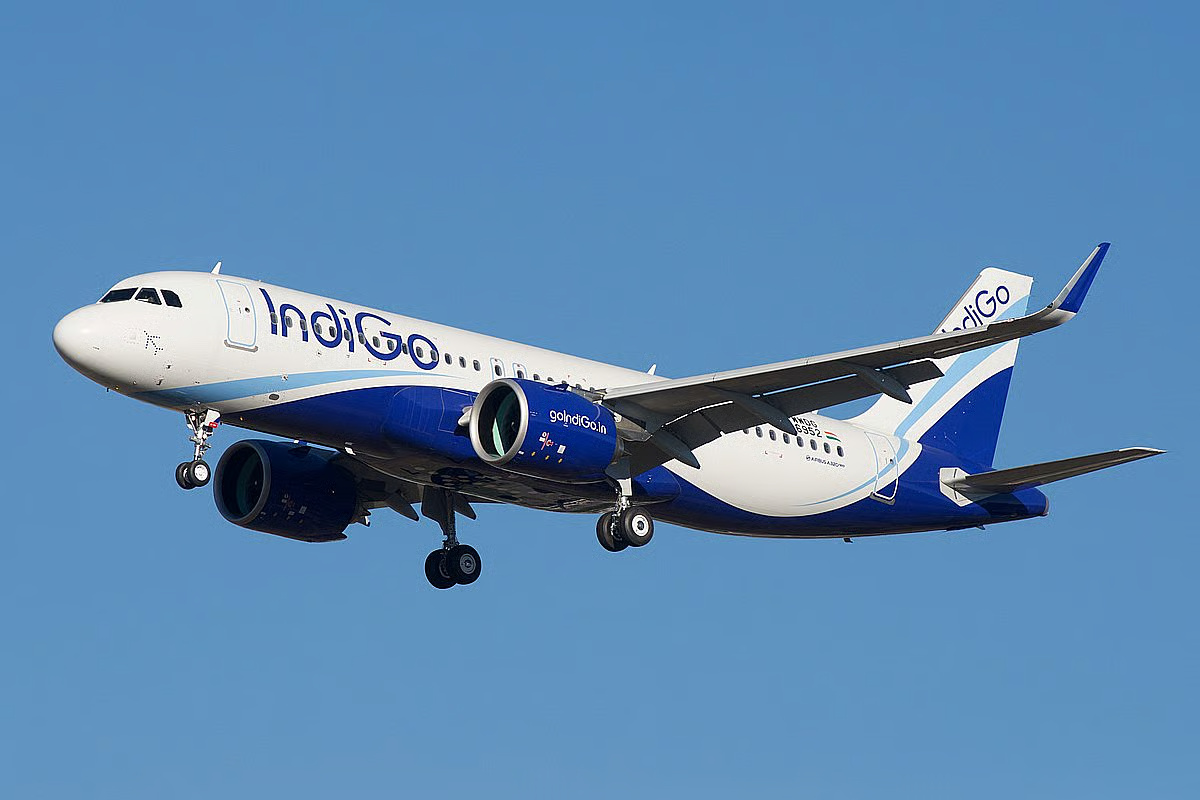
Kanpur is set to gain a direct aviation connection to Navi Mumbai later this month, marking a significant step in strengthening regional air connectivity between northern India and the Mumbai Metropolitan Region. The new route is expected to ease travel for business travellers, industrial stakeholders, and residents, while reinforcing Kanpur’s role as an emerging manufacturing and commercial centre with growing national linkages.
The upcoming service will introduce a direct flight between Kanpur and Navi Mumbai, reducing reliance on Mumbai’s older aviation hub and cutting transit time for passengers heading to the eastern and southern parts of the metropolitan region. Aviation officials said the decision reflects rising passenger demand and the gradual redistribution of air traffic as Navi Mumbai Airport prepares to play a larger role in regional connectivity. Currently, Kanpur is served by limited daily flights to Mumbai, often resulting in congestion and longer ground travel for passengers whose final destination lies beyond the city’s traditional business districts. A direct Kanpur–Navi Mumbai flight is expected to offer operational efficiency while aligning with broader national goals of decentralising aviation infrastructure and improving access to secondary cities.
Industry representatives view the development as particularly important for Kanpur’s industrial ecosystem, which includes textiles, leather goods, defence manufacturing, and small-scale enterprises. Faster access to Navi Mumbai’s logistics zones, ports, and upcoming financial districts could help local businesses integrate more closely with western India’s supply chains. Urban economists note that such routes often act as enablers of trade rather than merely passenger services, especially when they connect production hubs with consumption and export gateways. The new route also fits into a wider pattern of network expansion under India’s regional connectivity push. Aviation authorities confirmed that discussions are ongoing to introduce additional flights from Kanpur to other major western and central Indian cities in the coming weeks. These proposed connections would further diversify Kanpur Airport’s route map, which has traditionally been limited in scale.
From an urban development perspective, improved air links can have a multiplier effect on cities like Kanpur. Better connectivity supports investment, tourism, and skilled workforce mobility, while reducing the economic distance between tier-two cities and major metropolitan regions. Planners caution, however, that airport-led growth must be complemented by sustainable ground transport, efficient terminal operations, and climate-conscious aviation practices to ensure long-term benefits. For Navi Mumbai, the addition of new domestic routes strengthens its positioning as a future aviation and business hub within the Mumbai Metropolitan Region. As air traffic gradually shifts away from saturated legacy airports, direct links with industrial cities such as Kanpur could help balance regional growth and reduce pressure on existing urban infrastructure.
The flight schedule for the Kanpur–Navi Mumbai route is expected to be announced shortly. As services begin, the route will serve as a test case for how targeted air connectivity can support balanced urban development, regional economic integration, and more efficient mobility across India’s expanding city network.
IndiGo Expands Network With Kanpur Navi Mumbai Route