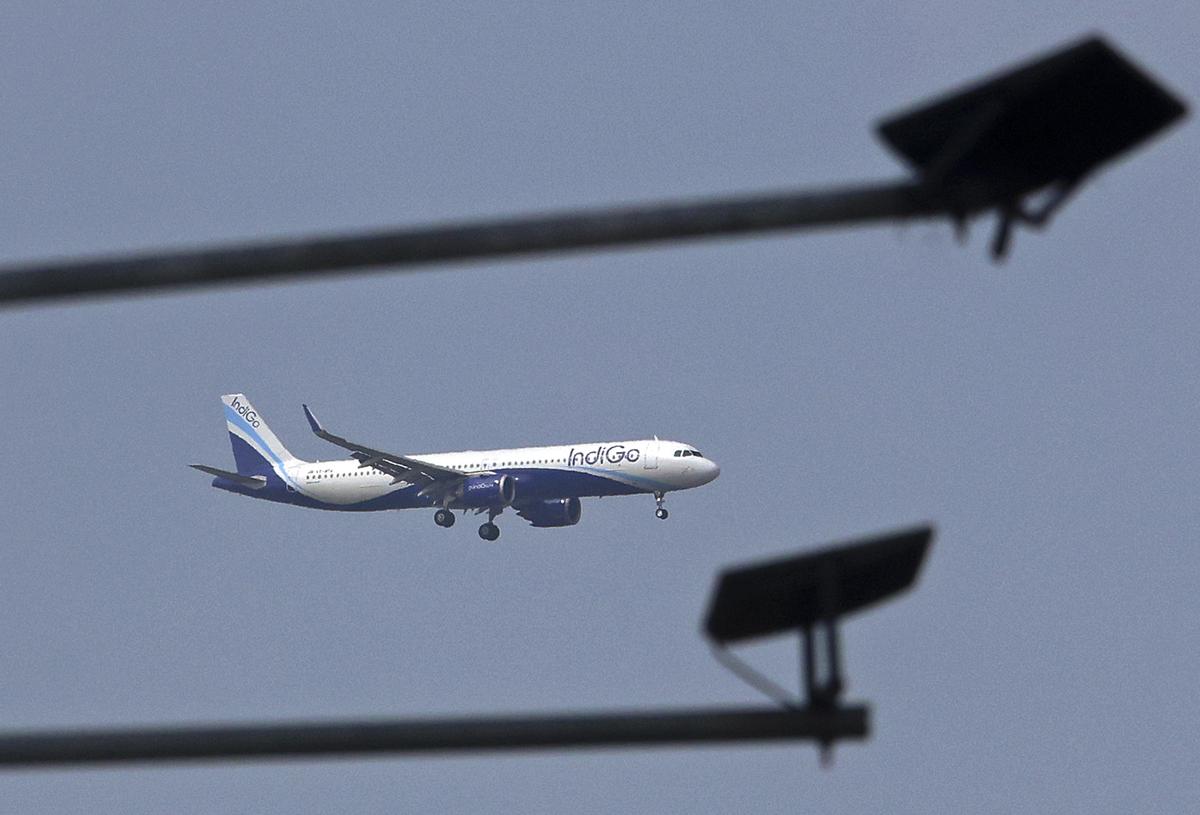
India’s civil aviation regulators are approaching a decisive moment in the review of widespread flight cancellations that disrupted the country’s busiest air routes in early December. The Ministry of Civil Aviation is expected to conclude its assessment of the IndiGo operational disruptions within days, following the submission of findings by a high-level committee constituted by the national aviation regulator. The outcome is being closely watched for its implications on passenger trust, market competition, and the resilience of urban mobility networks.
According to officials familiar with the process, the ministry has sought additional clarifications on the committee’s report before determining whether regulatory or administrative action is warranted. Any decisions are expected to address accountability at a managerial level, rather than operational staff, signalling a sharper focus on governance and preparedness within large transport operators.
Parallel to the ministry’s review, India’s competition watchdog has initiated its own examination of the same episode. The authority has sought information from both the airline and the aviation regulator to assess whether business practices during the disruption may have disadvantaged consumers or distorted pricing. Particular attention is being paid to fare movements during the period, reflecting broader concerns around market dominance in a sector where a single carrier accounts for well over half of domestic capacity.
The disruptions had a visible impact across major urban centres, grounding thousands of passengers and affecting time-sensitive business travel. For cities increasingly reliant on aviation to support economic activity, such instability exposes vulnerabilities in transport systems that underpin real estate markets, employment mobility, and regional connectivity. Urban economists note that frequent cancellations can ripple beyond airports, affecting hospitality demand, office attendance patterns, and logistics scheduling.
Regulatory intervention during the crisis included a temporary reduction in the airline’s winter schedule, aimed at stabilising operations and limiting further passenger inconvenience. Industry experts view this as an assertion of supervisory authority in a rapidly consolidating aviation market, where operational resilience is becoming as critical as fleet size or route reach.From a sustainability and planning perspective, the episode has reopened debate on the concentration of air traffic among a few carriers and the risks this poses to inclusive, people-first mobility. Transport planners argue that resilient urban regions require diversified and reliable connectivity, particularly as cities pursue lower-carbon growth pathways that integrate aviation with rail and public transport networks.
As the government prepares its final response on the IndiGo operational disruptions, the aviation sector is bracing for signals that could reshape compliance standards and competitive behaviour. For passengers and cities alike, the focus now shifts to whether regulatory lessons translate into stronger safeguards, fairer pricing practices, and a more dependable air transport system in the months ahead.
IndiGo aviation disruptions test regulatory oversight