Indias Mumbai‑Ahmedabad Rail Project Accelerates Japans E10 High‑Speed Rise by 2030
India’s ambitious bullet train project, symbolised by the Mumbai-Ahmedabad high-speed corridor, is emerging as a crucial testing ground for Japan’s next-generation high-speed rail technology, the ALFA-X or E10 Shinkansen. Far from being a mere technology transfer, this Indo-Japanese collaboration represents a dynamic partnership where India’s diverse climatic and geographical conditions will provide invaluable data to refine future global high-speed rail systems. This unique symbiotic relationship is not only advancing India’s infrastructure but also future-proofing Japan’s renowned Shinkansen technology, setting a new benchmark for sustainable and efficient intercity connectivity crucial for developing eco-friendly and equitable urban conurbations.
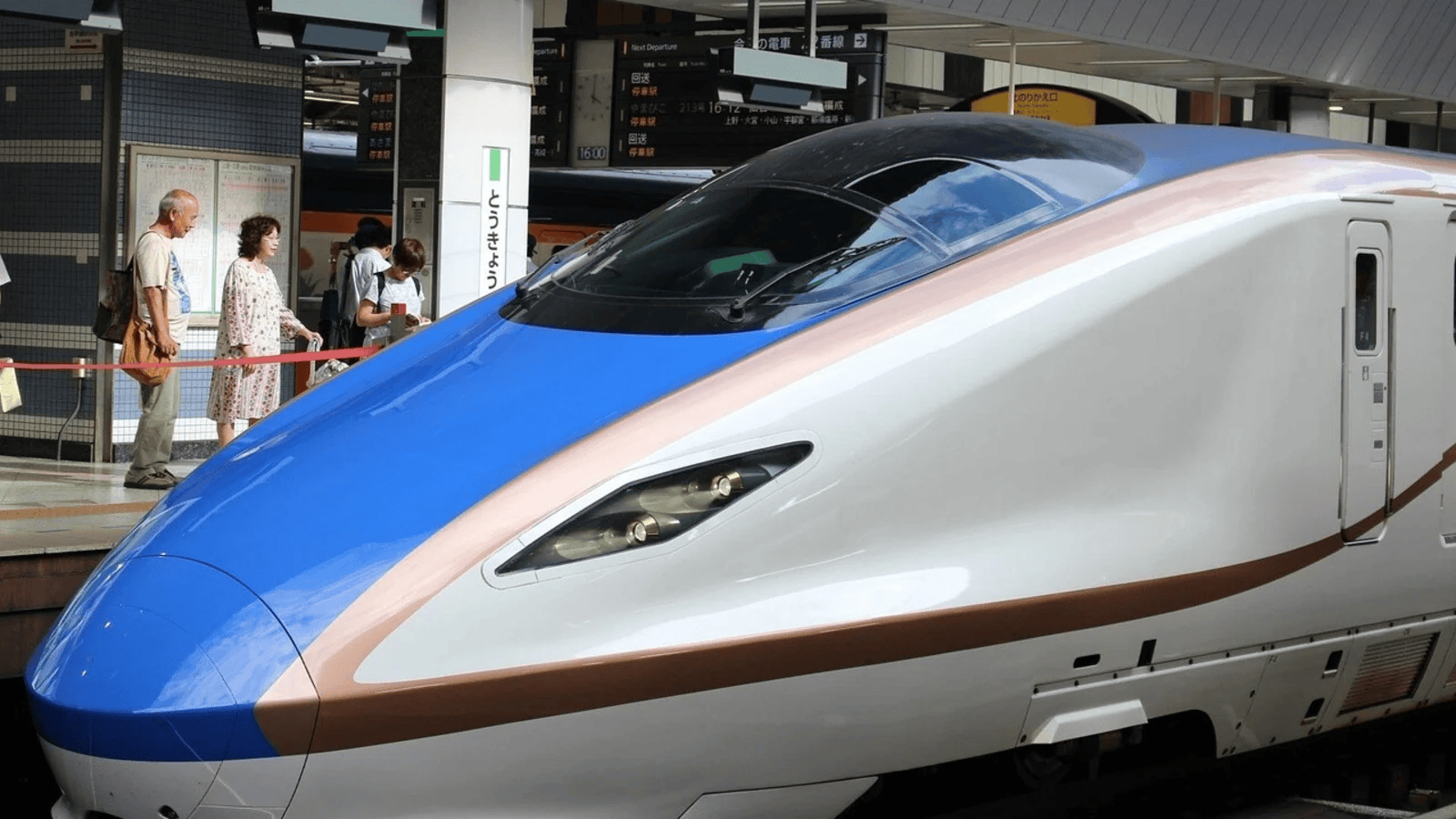
The genesis of modern high-speed rail, notably Japan’s Shinkansen, is rooted in biomimetic engineering – drawing inspiration from nature, such as the kingfisher’s beak for aerodynamic design. Three decades later, this innovative spirit is embodied in the ALFA-X, designed to achieve speeds of up to 400 km/h. Crucially, the next phase of ALFA-X’s development will unfold on Indian soil. India is set to receive two E5 trains, known as Hayabusa (peregrine falcon), in early September 2026 for trial runs on the Mumbai-Ahmedabad corridor. These E5 trains, capable of 320 km/h, manufactured by Hitachi Rail and Kawasaki Heavy Industries, incorporate advanced features like low-noise pantographs.
The trials on the Mumbai-Ahmedabad corridor will serve as a vital crucible for data collection. The E5 fleet will meticulously gather operational data on pantograph performance in India’s uniquely dusty environments, assess the efficacy of braking systems under local conditions, monitor ventilation efficiency, and capture seismic feedback from the extensive network of tunnels and viaduct segments. This rich, real-world data will be instrumental for Japanese engineers in refining the E10 (ALFA-X) Shinkansen, ensuring its robust performance in varied global contexts, thereby contributing to a more resilient and universally applicable high-speed rail technology.
A significant development in this partnership is the scheduled simultaneous rollout of the E10 Shinkansen trains for passenger services in both India and Japan by 2030. The Indian Railways confirmed that the Japanese government has agreed to introduce the E10 trains specifically for the Mumbai-Ahmedabad bullet train project, a 508-kilometre corridor utilising Shinkansen technology. The E10 trains boast cutting-edge features designed for enhanced safety and efficiency, including L-shaped vehicle guides for superior earthquake resilience, SiC-based inverters, and blower-less induction motors that significantly reduce energy loss. These technological advancements not only promise high-speed travel but also contribute to a lower carbon footprint, aligning with global efforts to achieve zero net carbon transportation systems.
Beyond the technical marvels, the E10 Shinkansen also prioritises passenger experience and accessibility, offering improved seating layouts, USB ports, power outlets, and thoughtfully designed wheelchair spaces with unobstructed window views, promoting gender-neutral and equitable access to advanced public transport. Significant progress has already been made on the Mumbai-Ahmedabad corridor, with 310 kilometres of viaducts completed, 15 river bridges constructed, and five of the twelve stations nearing completion by July 2025. The 21-kilometre undersea tunnel between Bandra Kurla Complex (BKC) and Thane has achieved its first breakthrough, marking a crucial engineering milestone. India’s role in the development and testing of the E10 Shinkansen ensures that its bullet train journey is evolving beyond a mere transfer of hardware into a collaborative effort that actively shapes the future of global high-speed rail.