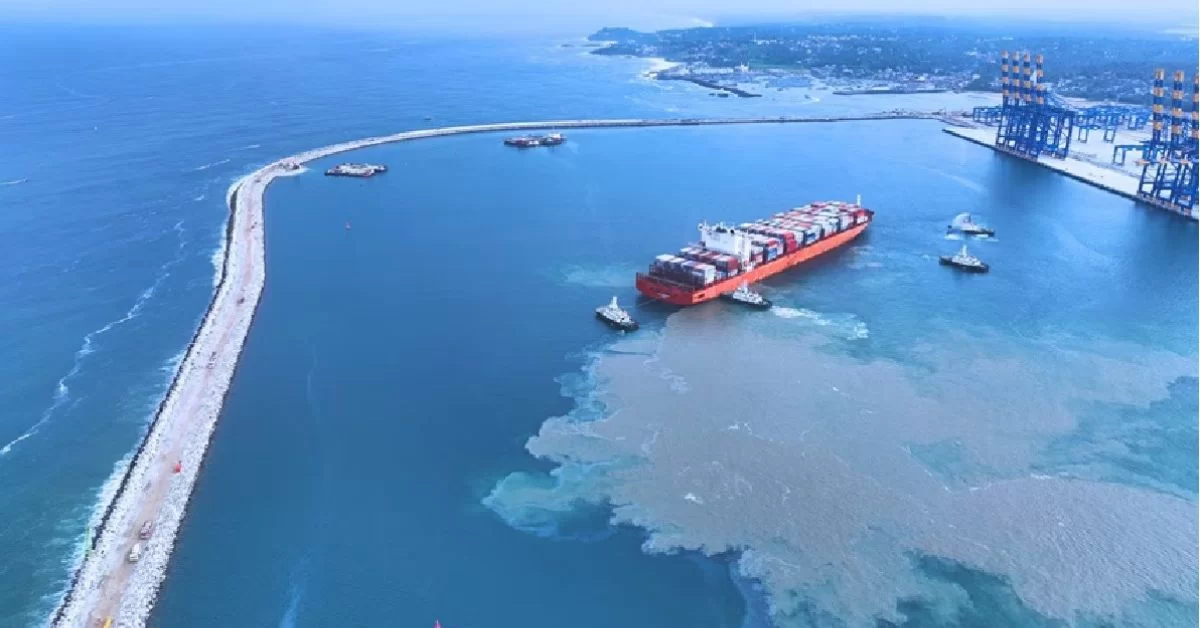
Indias Major Ports Progressing Toward 18-Metre Draft to Accommodate Cape-Size Vessels
India’s major maritime gateways are undergoing a transformative upgrade, with key ports like Kamarajar, Paradip, and Deendayal rapidly progressing towards an 18-metre draft. This strategic enhancement is designed to accommodate the world’s largest shipping vessels, including Panamax and Cape-size carriers, marking a pivotal step in the nation’s ambition to establish itself as a dominant regional transshipment powerhouse. The move signifies a critical shift in India’s global trade positioning.
Historically, India’s maritime sector has faced a significant missed opportunity in the transshipment domain. A staggering 75 percent of the nation’s transshipment cargo has traditionally been rerouted through foreign hubs such as Colombo, Singapore, and Port Klang. This reliance on external ports has not only incurred additional logistical costs but also diminished India’s strategic influence in global supply chains. The current policy initiatives are directly aimed at reversing this trend, fostering greater self-reliance and efficiency within the domestic port ecosystem. The ongoing deepening of drafts at these vital ports is a cornerstone of this national maritime strategy. While major ports have already achieved a commendable 14-metre draft, the progression towards 18 metres at Kamarajar, Paradip, and Deendayal is a game-changer. This increased depth is crucial for handling the colossal dimensions of modern cargo ships, which offer significant economies of scale by enabling the transportation of vast quantities of goods in a single voyage. Such advancements are indispensable for a nation with burgeoning trade aspirations.
This strategic investment in port infrastructure is set to yield substantial economic dividends. By facilitating direct calls from larger vessels, Indian ports will reduce transit times, lower shipping costs for businesses, and enhance the overall competitiveness of Indian exports and imports. Furthermore, reclaiming transshipment cargo will generate new revenue streams, create employment opportunities within the logistics and maritime sectors, and strengthen the nation’s position as a crucial node in the global trade network. Beyond economic advantages, the shift towards accommodating larger vessels at deeper drafts also carries environmental implications. Larger ships, when fully utilised, can transport more cargo per unit of fuel, potentially leading to a reduction in per-tonne carbon emissions. By minimising the need for multiple smaller vessel movements or reliance on distant transshipment hubs, this initiative contributes to a more streamlined and environmentally conscious global supply chain, aligning with the broader goals of sustainable and eco-friendly urban and industrial development.
The concerted efforts to modernise port infrastructure underscore India’s commitment to building a robust, resilient, and globally integrated economy. By addressing historical logistical inefficiencies and investing in future-ready capabilities, the nation is not only enhancing its maritime prowess but also laying the groundwork for a more efficient, sustainable, and equitable participation in international trade, benefiting businesses and citizens alike.