


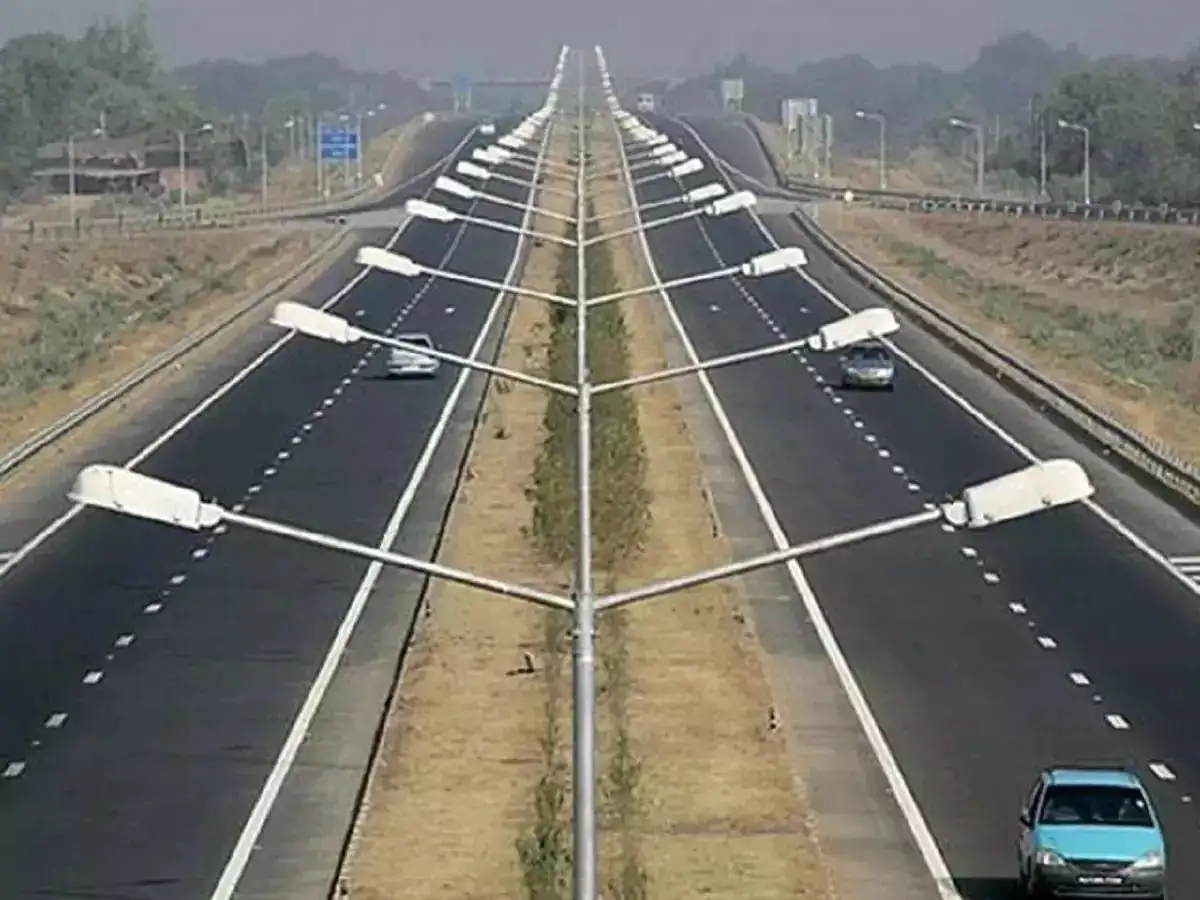
India’s ambitious National Highways construction programme experienced a deceleration in the last fiscal year (FY25), with the pace slowing to 29 km per day. This marks a notable dip from the 34 km per day achieved in FY24 and the peak of 37 km per day in FY21. Union Road Transport and Highways Minister Nitin Gadkari informed Parliament on Wednesday that while the overall length constructed in FY25 was 10,660 km, the government is now strategically focusing on developing greenfield access-controlled High-Speed Corridors (HSCs) and expressways. This pivot signifies a qualitative shift in infrastructure development, aiming for enhanced logistics efficiency and a more sustainable, future-ready transport network.
The Ministry of Road Transport and Highways, the primary body responsible for the development and maintenance of National Highways and Expressways, constructed 12,349 km in FY24 and 10,331 km in FY23. The current shift towards greenfield projects, while potentially impacting the immediate daily construction rate of conventional highways, is designed to yield long-term benefits in terms of logistics, connectivity, and reduced carbon footprint. These new corridors, planned in alignment with the PM GatiShakti National Master Plan (NMP), are envisioned to integrate all multimodal connectivity projects, creating a holistic infrastructure ecosystem. PM GatiShakti, a digital platform, visualises economic zones and required infrastructure linkages, facilitating the identification of missing gaps for seamless movement of people, goods, and services.
Also Watch: “Mumbai will rock, shine and always be India’s best city to live.” In an exclusive, MHADA CEO Sanjeev Jaiswal (IAS) talks about Mumbai’s enduring charm, livability, and the government’s focus on making it affordable for all
A key component of this strategic shift is the Bharatmala Pariyojana, under which projects spanning 26,425 km have been awarded, with 20,770 km already constructed. Notably, 2,967 km of this was completed in FY25. The focus on greenfield access-controlled HSCs and expressways is a direct response to the need for improved logistics efficiency, a critical factor in enhancing India’s economic competitiveness. So far, 26 greenfield corridors, covering approximately 7,500 km, have been awarded, with an additional 600 km approved. Of these, about 4,800 km have been constructed, and 2,636 km are already operational. The remaining sections are slated for phased operationalisation over the next two years. This shift reflects a commitment to building a network that supports economic growth while considering environmental sustainability, aiming to reduce congestion and travel times, thereby indirectly contributing to lower emissions.
The government’s concerted effort to develop high-speed, access-controlled corridors is poised to significantly impact the nation’s logistics landscape. By optimising freight movement and reducing travel times, these expressways contribute to a more efficient supply chain, which can in turn lower operational costs for businesses and potentially lead to more affordable goods for consumers. Furthermore, the emphasis on integrated planning through the PM GatiShakti NMP ensures that infrastructure development considers economic zones, social inclusion, and environmental factors. This holistic approach is critical for fostering zero-net carbon, eco-friendly, sustainable, and equitable cities, where robust connectivity supports both economic prosperity and a higher quality of life for all citizens, irrespective of gender or socio-economic background. The ongoing challenge will be to ensure that the slower pace in overall kilometres constructed does not compromise the broader objectives of timely project completion and long-term economic gains.
Also Read: Air India Flight AI 2744 Skids Off Mumbai Runway Amid Rain Toda
