


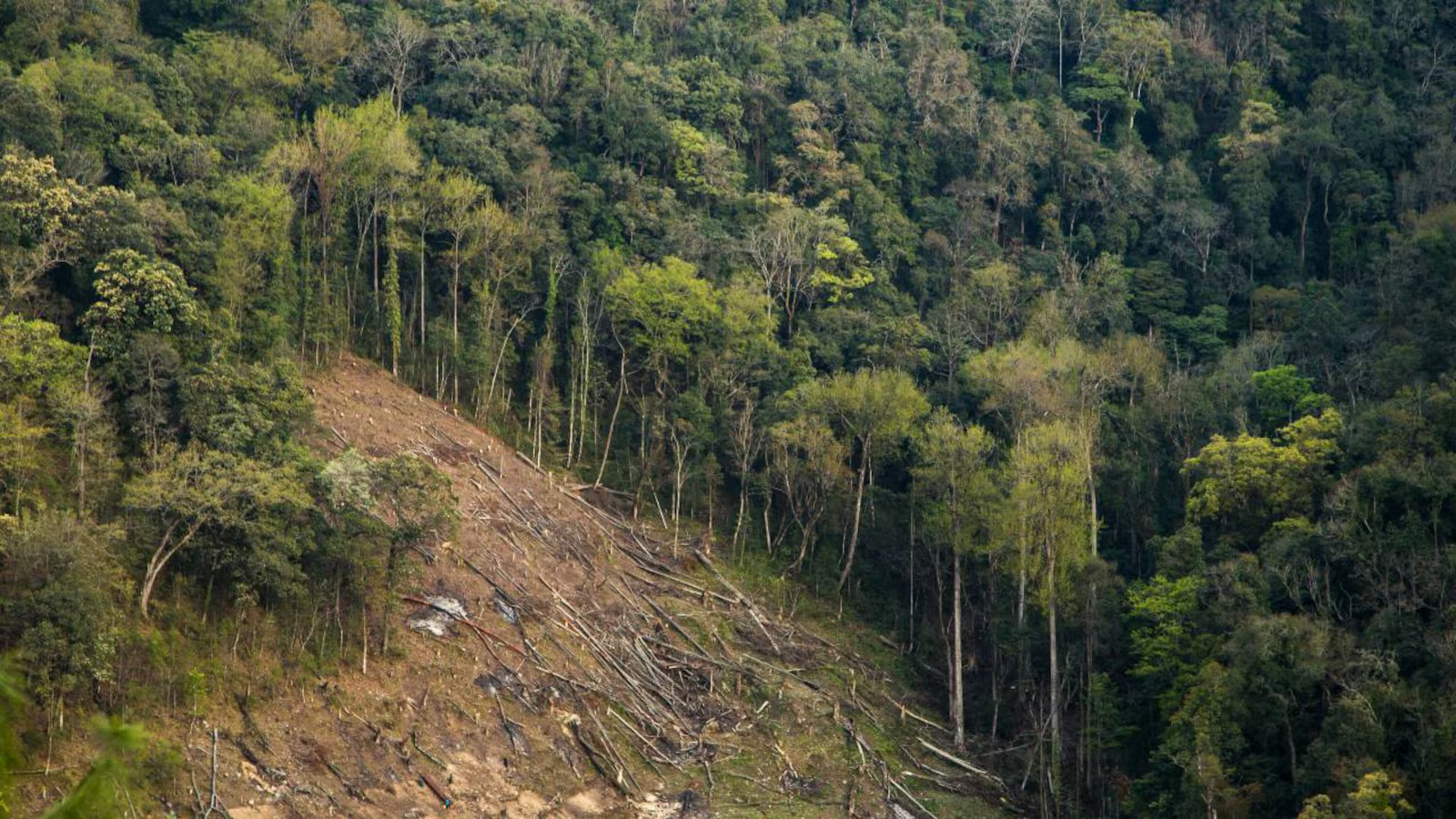
The Government of India has approved the National Mission for Green India (GIM). This mission, part of the National Action Plan on Climate Change, focuses on restoring degraded forests, afforestation, and agroforestry to create additional carbon sinks. The initiative is poised to play a pivotal role in achieving India’s climate targets under the Paris Agreement.
The GIM identifies the restoration of degraded forests as a critical strategy for carbon sequestration. Over the past 15 to 20 years, many forests have been impaired due to various factors, including deforestation, urbanization, and unsustainable land-use practices. Restoring these forests through plantations can contribute up to 60% of the total carbon sink target set for 2030. This approach not only enhances carbon storage but also improves biodiversity and ecosystem services. In addition to forest restoration, the GIM emphasizes afforestation of open forests, wastelands, and agroforestry. These activities are expected to cover an additional 12 million hectares during the 2025-2030 period. Agroforestry, which integrates trees into agricultural landscapes, offers multiple benefits, including increased biomass, improved soil health, and enhanced carbon sequestration.
The mission also promotes the establishment of green corridors, plantations along roads and railways, and the creation of urban green spaces to further augment forest cover. The financial outlay for the GIM is ₹12,190 crore for the 2021-2030 period. This amount will be utilized for afforestation activities over 1.0 million hectares. The funding will be sourced partly from the budget (₹5,000 crore) under the ongoing Green India Mission scheme and the balance from funds available under the National Fund of CAMPA (₹7,190 crore). The mission will be implemented through a collaborative approach involving central and state governments, local communities, and the private sector. Recognizing the scale and magnitude of the restoration efforts required, the GIM encourages the active involvement of the private sector.
Companies utilizing wood and wood-based raw materials can develop their supply chains by engaging with community-based institutions such as Joint Forest Management Committees and panchayat bodies. Contributions from Corporate Social Responsibility (CSR) funds can support the restoration of vulnerable and critical areas. Additionally, institutions can undertake greening of vacant institutional lands, aligning their operations with sustainability goals. The GIM prioritizes the restoration of highly vulnerable landscapes, including the Aravalli region, Western Ghats, arid regions of North West India, mangroves in coastal areas, the Indian Himalayan region, and degraded bamboo forests. These areas are critical for enhancing ecosystem services and carbon sinks. The mission aims to improve ecosystem resilience, mitigate desertification, and promote biodiversity conservation in these regions. During an event on combating desertification in Jodhpur, the Union Environment Minister highlighted the challenges posed by desertification, primarily caused by unsustainable agricultural practices, excessive use of fertilizers like urea, and indiscriminate pesticide application.
Such practices not only degrade the land but also pose a threat to food security and biodiversity. In response, the government has adopted a comprehensive approach focusing on ecosystem restoration, drought resilience, and biodiversity enhancement. Initiatives like the rejuvenation of water bodies through Amrit Sarovars, tree planting in the Aravalli region under the Matri Van program, and the nationwide tree plantation movement ‘Ek Ped Maa Ke Naam’ aim to address these challenges. The National Mission for Green India represents a concerted effort to restore degraded forests, enhance carbon sinks, and combat desertification. By integrating afforestation, agroforestry, and community participation, the mission aims to create a sustainable and resilient environment. The active involvement of the private sector and the focus on vulnerable landscapes further strengthen the mission’s objectives. As India strives to meet its climate commitments, the GIM stands as a testament to the nation’s dedication to environmental conservation and sustainable development.
Also Read :Hyderabad Colony Fights to Save Green Cover
