


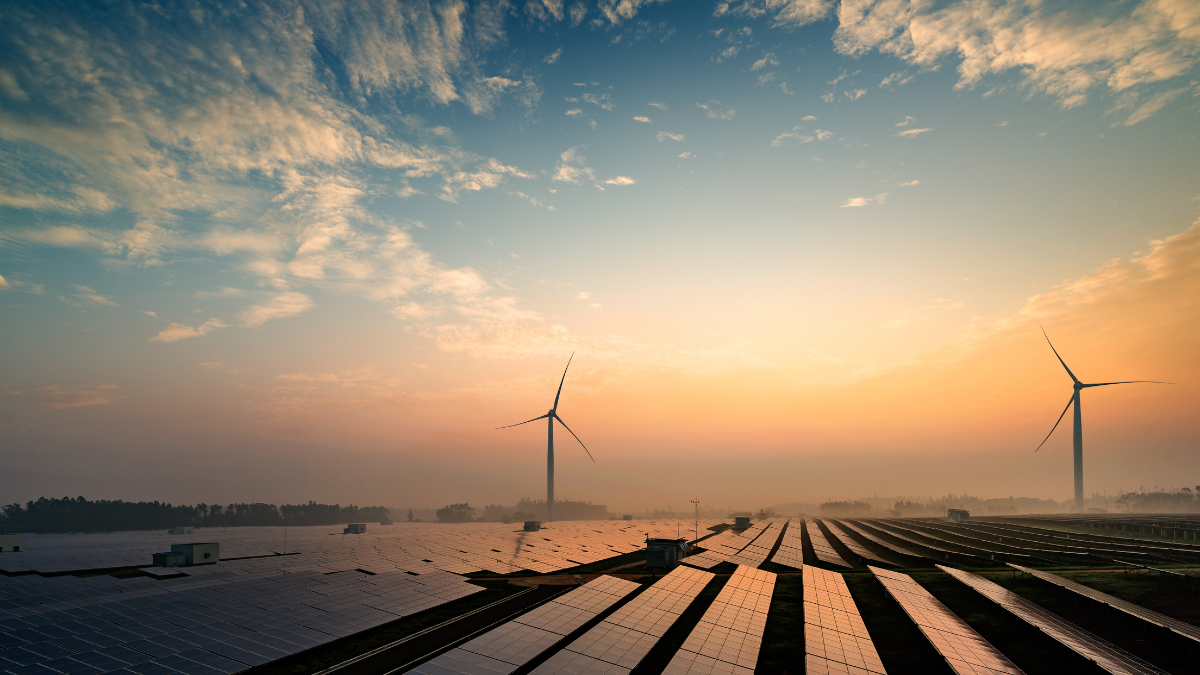
The Indian energy landscape is currently undergoing a profound and irreversible transformation, presenting a compelling narrative for astute investors globally. Renewable energy capacity additions have surged to unprecedented levels, concurrently with a discernible structural decline in fossil fuel demand. This shift is being driven by a confluence of stringent climate policies, evolving economic headwinds, and increasingly favourable weather patterns.
For the investment community, this monumental transition signals a clear strategic imperative: a decisive allocation of capital towards burgeoning solar and wind infrastructure, coupled with critical grid modernisation projects, while strategically disinvesting from fossil fuel assets exposed to an undeniable secular decline. The surge in India’s renewable energy capacity is nothing short of remarkable, with solar and wind power firmly leading this charge. By March 2025, the nation’s installed renewable capacity had reached an impressive 220.1 GW. Solar energy alone accounted for a substantial 105.65 GW, marking a significant annual increase in solar additions compared to the preceding year. Furthermore, wind energy contributed an additional 4.15 GW in the fiscal year 2024-25, pushing the total wind capacity past the 50 GW milestone. This unprecedented growth is not coincidental but a direct outcome of robust governmental foresight and strategic policy interventions.
This rapid expansion is underpinned by key government initiatives, notably the Production Linked Incentive (PLI) Scheme for solar modules, which has successfully attracted investments totalling ₹410 billion (approximately $4.8 billion) and has been instrumental in creating 11,650 direct employment opportunities. At a grassroots level, state-led programmes such as the “Surya Ghar Muft Bijli Yojana” have facilitated the installation of rooftop solar systems in over 1.3 million households, democratising access to clean energy. With renewables now supplying a significant 42% of India’s total installed electricity generation capacity, and solar tariffs plummeting to ₹10.95/kWh—an astounding 80% reduction from 2014 levels—the economic viability and superior competitiveness of renewable energy sources are now irrefutable.
Conversely, fossil fuels are experiencing a marked retreat across the Indian energy matrix. India’s coal imports plummeted by 7.9% to 243.62 million tonnes (MT) in the fiscal year 2024-25, resulting in substantial foreign exchange savings of $7.93 billion. This significant decline is attributed to a combination of rising domestic coal production, which saw a 5% increase, reduced demand owing to milder summers influenced by early monsoons, and a broader economic slowdown. Consequently, coal-fired power generation experienced a 3% decline in the first half of 2025, with May registering a sharp 9.5% drop – the steepest reduction since 2020.
Natural gas is also encountering considerable headwinds. While liquefied natural gas (LNG) imports are projected to double to 65 billion cubic metres (bcm) by 2030, high global spot prices and intensified competition from increasingly cost-effective renewables are limiting its growth trajectory. Gas-fired power output in India fell to its lowest level in nearly three years in 2025, as utilities strategically shifted towards cheaper solar alternatives. Compounding this domestic pressure, China’s LNG imports witnessed a 25% drop in the first quarter of 2025, signalling potential global oversupply risks that could further impact market dynamics.
For investors, the opportunities within India’s renewable sector are expansive. Prioritising companies demonstrating robust execution in utility-scale solar projects, such as Adani Green Energy and ReNew Power, alongside those excelling in the burgeoning rooftop solar segment like Waaree Energies, is paramount. In the wind sector, a focus on states like Gujarat and Tamil Nadu is advisable, given their active repowering initiatives – replacing older, less efficient turbines with larger, modern models – which could unlock an additional 25 GW of capacity. Furthermore, investing in firms developing innovative hybrid systems combining solar, wind, and energy storage, such as Tata Power Renewable Energy, addresses the critical challenges of intermittency and grid stability, crucial for a reliable clean energy future.
Beyond generation, the expansion and modernisation of India’s grid infrastructure and energy storage solutions present equally compelling prospects. The ambitious Inter-State Transmission System (ISTS) expansion, projected to cost ₹1.02 trillion by 2030, necessitates significant investment in smart grids and substation upgrades, benefiting entities like Power Grid Corporation of India. The dramatic 80% fall in lithium-ion battery costs since 2010 positions energy storage as critical for seamless renewable integration. Supporting companies like Ampcito Energy and Renewsys Energy, which are scaling up domestic manufacturing of these essential components, is a strategic move towards a truly self-reliant and sustainable energy ecosystem.
Conversely, investors are strongly advised to meticulously scrutinise and potentially divest from assets heavily reliant on fossil fuels. Over 50 GW of existing coal capacity faces imminent obsolescence by 2030 due to the overwhelming cost advantage of renewables. Firms like NTPC and BHEL, traditionally anchored in thermal power, may face significant challenges unless they pivot aggressively and credibly towards renewable portfolios. Similarly, reduced demand and increased domestic production render coal importers, such as JSW Energy, vulnerable to stranded assets. In the LNG sector, risks of overcapacity loom for regasification terminals, as renewables continue to undercut gas demand, potentially impacting projects like GAIL’s Hazira terminal in securing long-term contracts.
India’s renewable energy transition is not merely a policy objective; it is an irreversible economic force. With an estimated $80 billion of annual investment required by 2030 to achieve the nation’s ambitious 500 GW renewable capacity target, the opportunity to capitalise on solar, wind infrastructure, and advanced grid technologies is immense and transformative. Conversely, fossil fuel assets are increasingly vulnerable to a confluence of adverse policy, economic, and climatic factors, signalling a secular decline. The strategic choice for investors is clear: to align capital with the inevitable future of clean, sustainable energy, contributing to an eco-friendly and prosperous India.
Also Read: Delhi’s Fuel Ban on Older Vehicles Sparks Public Backlash, Debate
