


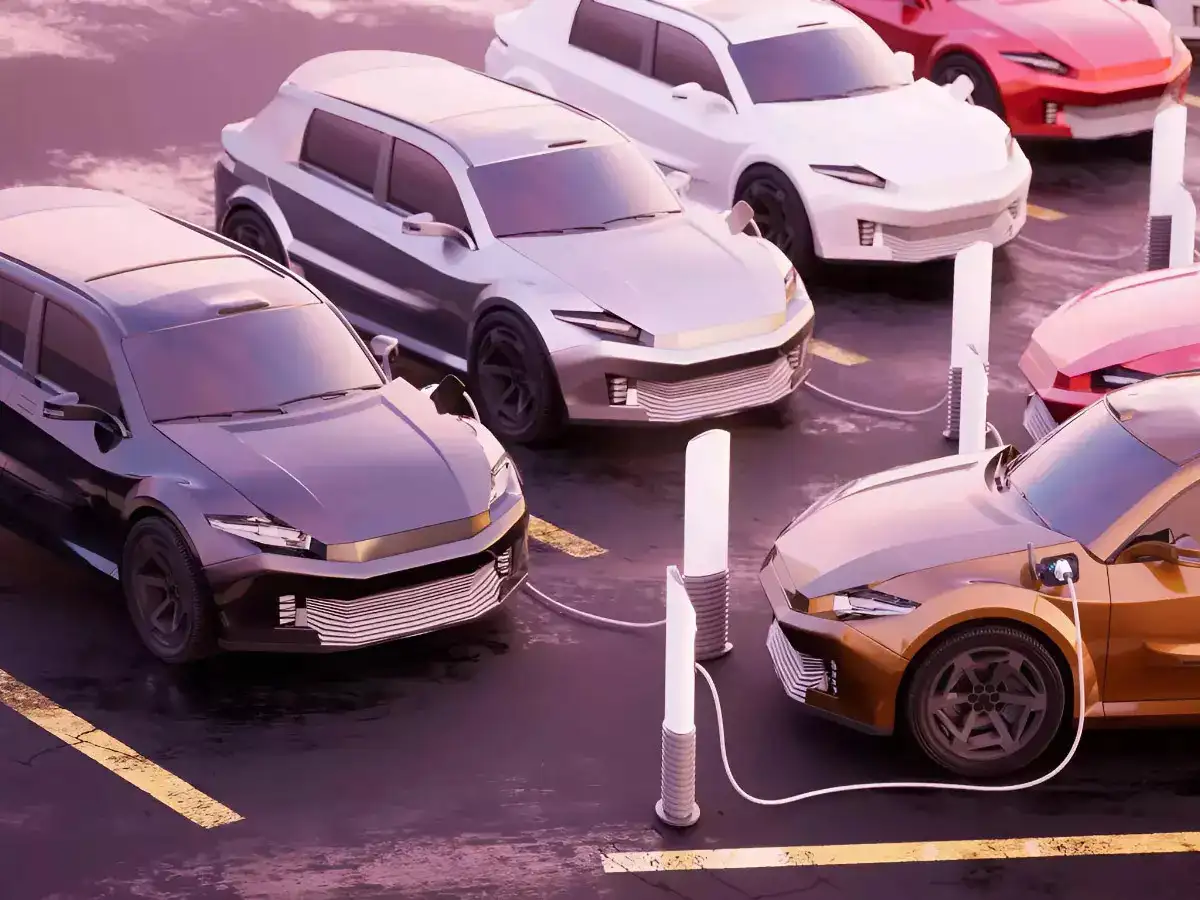
India’s ambitious journey towards electric mobility is gaining significant traction, propelled by proactive governmental policies, substantial investments across the ecosystem, and a burgeoning consumer appetite for electric vehicles (EVs).
The latest projections from Bloomberg NEF’s EV Outlook 2024 forecast a remarkable surge in EV adoption, anticipating 5.9 million EV sales annually by 2040, with an impressive 199% growth expected by 2027. This accelerated growth trajectory is underpinned by an expanding array of EV models available to consumers and a palpable increase in public enthusiasm for cleaner transportation alternatives. Government-led initiatives, most notably the Faster Adoption and Manufacturing of Electric Vehicles (FAME) scheme and the Production Linked Incentive (PLI) scheme, have played a crucial role in bolstering domestic manufacturing capabilities and enhancing the competitiveness of the Indian EV industry. Furthermore, the PM E-Drive initiative underscores the nation’s unwavering policy commitment to fostering innovation and sustainability within the rapidly evolving EV sector, signaling a long-term strategic vision for electric mobility.
The Tata Group has emerged as a pivotal force in mainstreaming EVs within the Indian market. Tata Motors took an early lead by offering a diverse portfolio of EV options to consumers when other original equipment manufacturers (OEMs) were still in the planning stages. Simultaneously, Tata Power has been instrumental in establishing a robust charging infrastructure across the country, encompassing home charging solutions, community charging facilities, and publicly accessible charging stations. This comprehensive ecosystem, comprising suppliers, vendors, and charge point operators, has been crucial in accelerating the transition towards electric mobility, with increasingly ambitious plans being announced across the industry. The recently concluded Bharat Mobility Global Expo served as a clear indicator of the industry’s unified vision, with nearly all major OEMs outlining their strategic plans for launching and promoting EVs, firmly establishing electric vehicles as the definitive future of Indian transportation.
As India accelerates its transition towards electric mobility, groundbreaking innovations across critical technological domains are playing a vital supportive role in shaping the evolving landscape and laying a solid foundation for a sustainable future. Recognizing that battery technology significantly influences the overall cost of EVs across different vehicle segments, intensive research and development are underway in alternative battery chemistries to overcome the limitations of traditional lithium-ion and lead-acid batteries. Pune-based KPIT Technologies recently unveiled its indigenous sodium-ion battery technology, while several other companies are in advanced stages of technology readiness. Sodium-ion batteries offer compelling advantages, including potentially lower costs due to the abundance of raw materials, enhanced safety characteristics, and improved thermal stability.
Israeli cleantech firm Phinergy, in collaboration with Tata Motors, developed a prototype of the Tata Tiago EV utilising its proprietary aluminum-air battery technology. Meanwhile, Indian startup Log9 Materials is nearing commercialisation of its own aluminum-air technology systems. These alternative battery technologies hold the promise of longer range, faster charging, and potentially lower environmental impact. Addressing a key concern for EV adoption, Bengaluru-based startup Exponent Energy claims a breakthrough in rapid charging technology, capable of charging EVs from 0 to 100% in a mere 15 minutes. Hopcharge is revolutionising charging convenience with its on-demand, doorstep fast-charging service, bringing the charging station directly to the EV owner. In a unique sustainability initiative, GPS Renewables has established an EV charging station in Mumbai powered entirely by biogas, showcasing the potential for integrating renewable energy sources into the charging infrastructure.
The holistic sustainability of EVs extends beyond zero tailpipe emissions, encompassing eco-friendly manufacturing processes, efficient operational lifecycles, and responsible end-of-life disposal and recycling of batteries. Many EV manufacturers in India are increasingly adopting green manufacturing practices and circular economy principles within their operations. Furthermore, pioneering startups such as Attero, Lico Materials, Metastable Materials, and Lohum Cleantech are developing innovative technologies for the efficient recycling of lithium-ion batteries, focusing on the recovery of valuable materials like lithium, cobalt, nickel, and manganese, thereby bolstering the battery circular economy and contributing to a more sustainable future for the industry. The strategic use of advanced lightweight materials is enabling EV manufacturers to either extend the driving range of their vehicles or minimise the size and cost of the battery pack required for a given range. Gurugram-based startup Planet Electric, founded by former ISRO engineers, is making significant strides in manufacturing four-wheeled cargo EVs by leveraging materials engineering for lightweighting technologies. This approach allows them to develop cost-effective solutions that enhance vehicle performance while mitigating the challenges associated with battery weight.
Electric motors, the heart of EV powertrains, are witnessing significant innovations aimed at reducing dependence on rare earth metals, which can be environmentally problematic and geopolitically sensitive. Axial flux motors are showing considerable potential for improving energy efficiency and reducing material dependency in EV powertrains. Vecmocon is emerging as a key player in this arena, offering a comprehensive suite of services including battery management systems, vehicle intelligence platforms, chargers, and instrument clusters, with plans to expand its offerings to include motor controllers specifically designed for EVs. Retrofitting, the process of converting older internal combustion engine vehicles into electric models, presents a vital pathway for accelerating the adoption of electric mobility in a cost-effective and resource-efficient manner. RACE Energy is a notable startup specialising in creating retrofit kits for transforming conventional three-wheelers into EVs. Similarly, ETrio offers electric kits along with retrofitted electric light commercial vehicles (eLCVs). Bengaluru-based E3V Industries is making an impact by producing both new EVs and comprehensive kits designed for the conversion of traditional vehicles to electric, with a strong emphasis on integrating renewable energy and off-grid power systems to optimise last-mile logistics.
The transformative Vehicle-to-Grid (V2G) technology enables EVs to not only draw power from the electricity grid for charging but also discharge energy back into it, offering the potential to stabilise the grid and create additional revenue streams for EV owners. Delhi-based battery technology startup Sheru has developed a pioneering bidirectional energy flow platform called NetBat, which facilitates seamless vehicle-to-grid (V2G) interactions. This technology allows EVs to draw power from the grid during off-peak hours and supply energy back during periods of peak demand, thereby enhancing grid stability and overall energy efficiency. Sheru has partnered with BSES Rajdhani, a prominent utility company in Delhi, for the real-world implementation of this groundbreaking technology. Startups like Magenta Mobility and VoltUp are also actively exploring the integration of smart grid technologies and may expand into V2G services in the near future, further advancing the potential of EVs within the broader energy ecosystem. Addressing the critical challenges posed by India’s rapidly growing urban population and escalating air quality index (AQI) crisis, last-mile mobility has become a crucial sector for EV innovation. In addition to established vehicle manufacturers including Tata Motors and Mahindra & Mahindra, a dynamic ecosystem of startups such as Euler Motors, Bounce, Cell Propulsion, BGauss, Baaz Bikes, Amo Mobility, and Altigreen are providing innovative last-mile transportation solutions through a range of two-wheeler, three-wheeler, and four-wheeler EVs specifically designed for commercial use. India’s inherent competitive advantage in frugal engineering means that many of these solutions are engineered to be cost-effective and accessible to a broader audience, ensuring that electric mobility can contribute effectively to a cleaner and more sustainable urban environment for all.
Given India’s expansive automotive market and rapidly growing EV sector, the country presents an attractive hub for collaborations between domestic and international players in the battery swapping space. Domestic companies like Sun Mobility, Chargeup, and Battery Smart are providing customers with the convenience of swapping their EV batteries at designated swap stations, significantly reducing downtime associated with traditional charging methods. Lithion Power is also actively exploring and developing battery swapping solutions, particularly targeting the two-wheeler and light commercial vehicle (LCV) segments. India’s inherent strengths in frugal engineering and its talented workforce provide a remarkable opportunity to solidify its position as a global leader in the rapidly expanding EV ecosystem, driving a cleaner, more sustainable, and equitable future for all its citizens. The confluence of proactive government policies, robust private sector investment, and groundbreaking technological innovations positions India at the forefront of the electric vehicle revolution, paving the way for a transformative shift in its transportation landscape.
Also Read: Guwahati residents grow gardens as city green cover shrinks
