India's Bullet Train Sabarmati-Vapi by 2028 Full Route by 2030
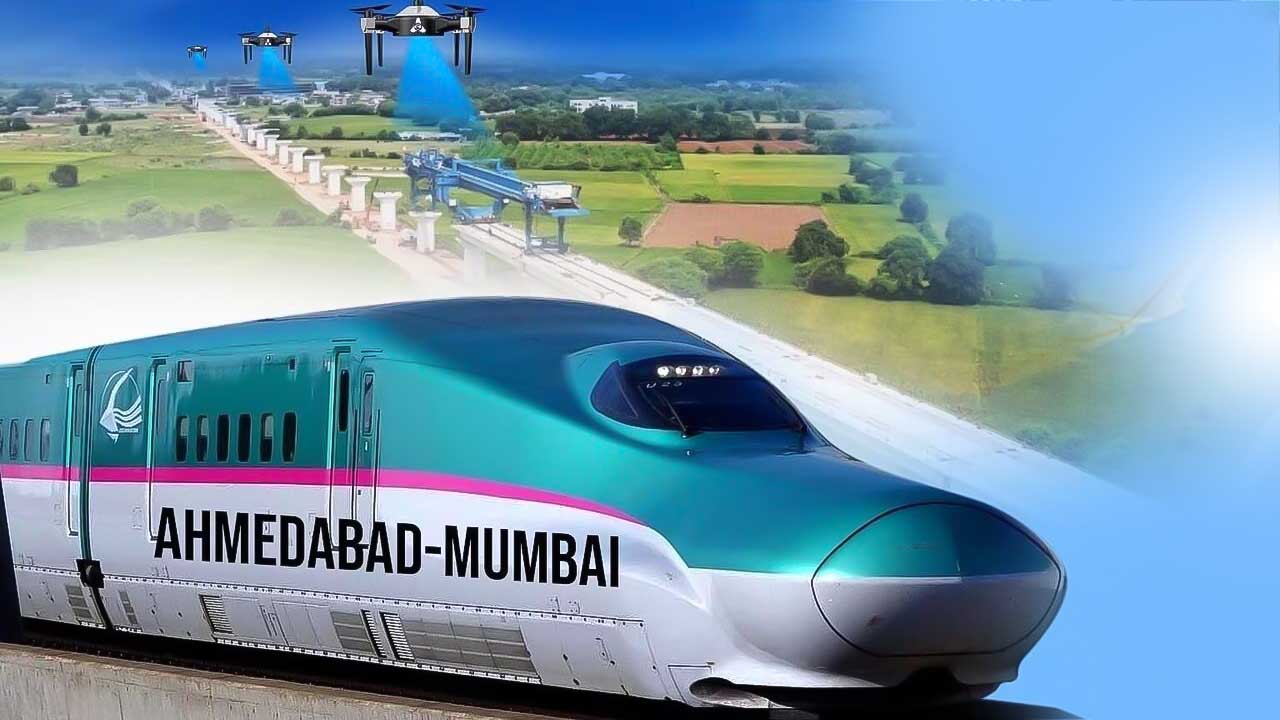
India’s ambitious high-speed rail project, the Mumbai-Ahmedabad corridor, is on track to commence operations in Gujarat by the end of 2027, with full services expected to roll out by 2030.
The National High-Speed Rail Corporation Limited (NHSRCL) is currently conducting a comprehensive 30-year ridership assessment to determine fare structures and traffic projections for the service. The initial phase of the project will cover the 508-kilometre stretch between Sabarmati and Mumbai, passing through key stations such as Vapi, Surat, Vadodara, and Bandra Kurla Complex (BKC) in Mumbai. The NHSRCL aims to complete the project by the second half of 2028, with the entire journey expected to take approximately two hours and seven minutes, significantly reducing the current travel time of over seven hours.
As of May 2024, construction progress stands at 44%, with 53% of work completed in Gujarat and 25.6% in Maharashtra. The project has faced challenges, including land acquisition issues in Maharashtra’s tribal areas and environmental concerns over the Thane Creek Flamingo Sanctuary. To mitigate these, the rail corridor will feature India’s first undersea tunnel, designed to minimize ecological impact. The bullet train is expected to operate at speeds up to 320 km/h, offering both rapid and standard services. The rapid service will have limited stops, while the standard service will stop at all stations along the route. The NHSRCL plans to operate 70 daily services, with three trains per hour during peak times and two per hour during off-peak times.
This project represents a significant step towards sustainable and efficient transportation in India, aligning with the country’s goals of reducing carbon emissions and promoting eco-friendly infrastructure. The introduction of high-speed rail is expected to alleviate road congestion, decrease air pollution, and stimulate economic growth along the corridor. Additionally, the use of Japanese Shinkansen technology and the incorporation of solar energy at key stations underscore the project’s commitment to sustainability.
As the project progresses, stakeholders remain focused on overcoming the remaining challenges to ensure the timely and successful launch of India’s first bullet train service.