Indias Borders Fortify With New Quarantine Centers At Key Entry Points
The Indian government is set to establish new quarantine centres at critical international border points in Amritsar, Guwahati, Petrapole, and Bhubaneswar, marking a significant enhancement of the nation’s public health infrastructure. This proactive measure, supported under the ambitious Pradhan Mantri Ayushman Bharat Health Infrastructure Mission (PM-ABHIM), aims to bolster the country’s preparedness against potential cross-border transmission of infectious diseases, ensuring a more resilient and secure urban environment for its citizens.
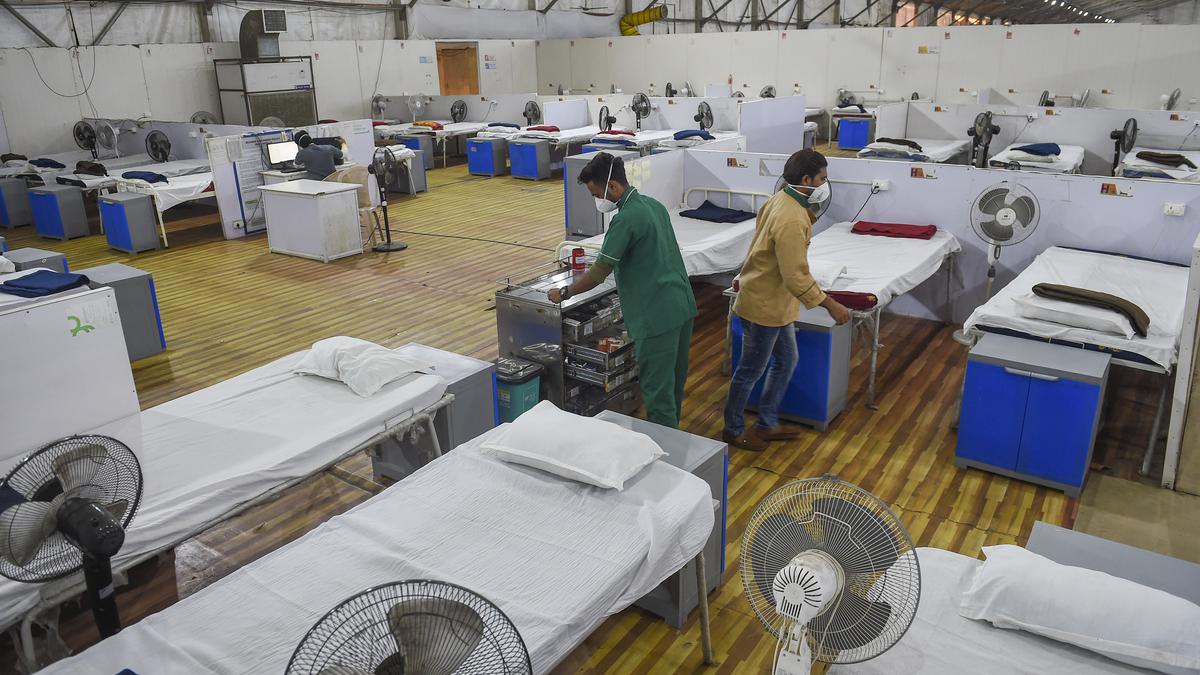
These strategically located centres are designed to isolate and restrict the movement of individuals exposed to infectious diseases, even if asymptomatic, thereby preventing wider community transmission. The initiative is a key component of PM-ABHIM, a pan-India scheme with an outlay of ₹64,180 crore, focused on operationalising new public health units and strengthening existing ones at vital points of entry, including airports, seaports, and land crossings. This comprehensive approach underscores a commitment to safeguarding public health and fostering sustainable urban development.
The selection of these new sites reflects a nuanced understanding of India’s diverse connectivity landscape. Amritsar, a major land route to a neighbouring country and a significant cultural hub, along with Petrapole, India’s largest land port facilitating substantial cross-border movement with Bangladesh, are critical for land-based health security. Guwahati serves as the vital gateway to the Northeast, with extensive regional connections, while Bhubaneswar represents a significant air entry point in eastern India. This strategic distribution ensures comprehensive coverage across various modes of international ingress.
Notably, this plan represents a strategic reallocation of resources. Earlier, centres were earmarked for Kannur, Bhogapuram, Chennai, and Kolkata. However, with the Ministry of Civil Aviation now undertaking the construction of quarantine centres at Kannur and Bhogapuram airports from its own budget, and the Airport Authority of India (AAI) integrating centres at Chennai and Kolkata airports into their expansion plans, funds previously designated for these locations have been freed up. This efficient use of resources allows for broader national coverage and enhanced preparedness.
The establishment of these quarantine centres is a fundamental pillar in creating eco-friendly and equitable cities. By preventing widespread outbreaks, they reduce the burden on urban healthcare systems, ensuring that medical resources remain available for all citizens, irrespective of their socio-economic standing or gender. This proactive containment strategy minimises the societal and economic disruptions typically associated with epidemics, allowing cities to maintain their functionality and progress towards zero net carbon goals without being derailed by health crises.
This strategic decision, ratified during a recent Mission Steering Group meeting of the National Health Mission, is poised to significantly enhance India’s capacity for early detection, monitoring, and management of high-risk individuals. By acting as a crucial barrier, these centres can potentially prevent outbreaks before they even begin, ensuring that India remains vigilant and resilient in the face of evolving global health challenges, thereby securing the well-being of its population and the stability of its urban centres.