Indias Airlines Report 183 Technical Defects This Year Raising Safety Concerns
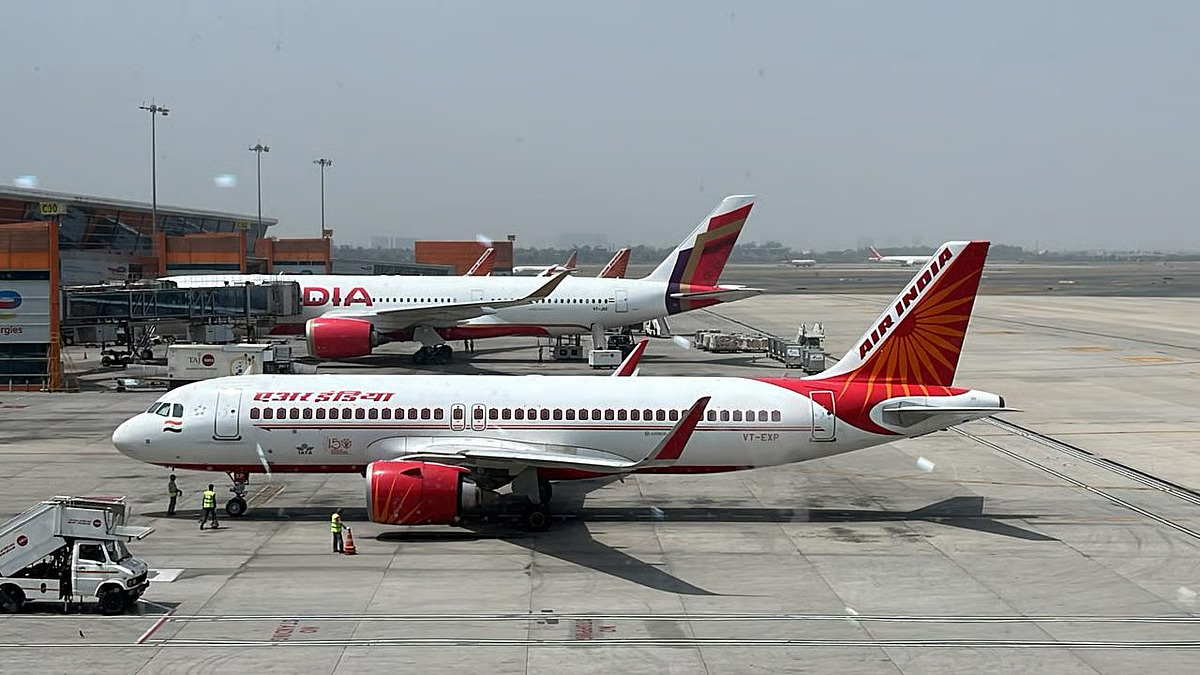
India’s aviation sector is currently under scrutiny as five major Indian airlines have collectively reported 183 technical defects in their aircraft to the Directorate General of Civil Aviation (DGCA) by July 21 this year. This latest government data highlights the continuous need for robust maintenance protocols and vigilance, essential for ensuring safe air travel which is a cornerstone for the growth of sustainable and equitable cities across the country. The Air India Group, comprising Air India and Air India Express, accounted for a significant 85 of these reported issues.
Further details from the Civil Aviation Ministry indicate that IndiGo recorded 62 technical glitches, Akasa Air reported 28, and SpiceJet logged 8 incidents within the same period. While these figures represent current challenges, a broader analysis of historical data reveals a positive trend in the overall number of technical defects. In 2024, the total defects reported stood at 421, a noticeable decrease from 448 in 2023 and 528 in 2022. These comprehensive statistics, which include data from Alliance Air and the erstwhile Vistara for their respective operational periods, signify evolving maintenance standards within the rapidly expanding industry.
Reliable air transport plays a critical role in developing zero net carbon and eco-friendly cities. Efficient and safe aviation infrastructure facilitates economic growth, trade, and social mobility, contributing significantly to urban prosperity. Addressing technical defects promptly and investing in modern, fuel-efficient aircraft not only enhances safety but also aligns with environmental sustainability goals by reducing emissions and operational disruptions. This commitment to maintaining a robust aviation system is paramount for building a truly sustainable and well-connected national framework.
The DGCA maintains rigorous oversight, mandating thorough investigations into all reported defects, especially those deemed major, to ensure immediate rectification and the implementation of effective preventive actions. This proactive regulatory stance, coupled with airlines’ internal safety management systems, is designed to minimise operational risks. Continued diligence in fleet management and adherence to international best practices are vital for sustaining passenger confidence and ensuring the aviation sector robustly supports India’s progressive urban development.