Indian River Inlet Coastal Highway Reopens After Flooding
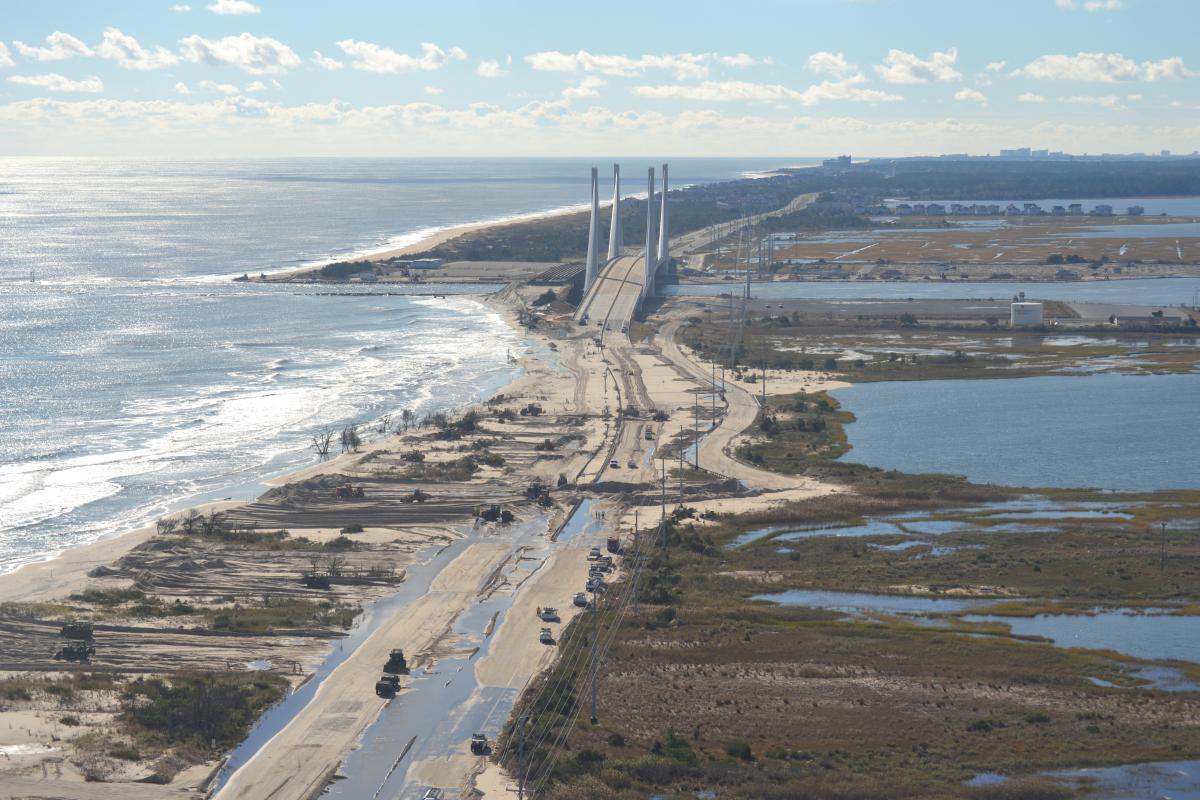
The brief closure of Coastal Highway at the Indian River Inlet due to an eight-inch flood on a recent night served as a stark reminder of the growing vulnerability of coastal infrastructure to climate change. While traffic resumed within hours, the incident underscored a systemic challenge facing coastal cities: the increasing susceptibility of vital transport corridors to tidal flooding and storm surges. It highlights the urgent need for a strategic, long-term approach to infrastructure resilience that goes beyond temporary fixes.
The incident saw water from Rehoboth Bay inundate a key section of Route 1, forcing a shutdown that caused significant inconvenience to late-night commuters and commercial traffic. For a region whose economy is intrinsically linked to tourism and seamless connectivity, even a temporary disruption to a major artery poses a tangible threat to business continuity and daily life. The flood, while shallow, was a clear signal that the region’s transport lifeline is operating on a precarious margin, increasingly at the mercy of environmental factors.
According to infrastructure analysts, this type of flooding is becoming more common in low-lying coastal areas due to a combination of rising sea levels and more intense weather patterns. The frequent inundation of roads not only compromises public safety but also leads to premature infrastructure degradation, causing long-term damage that is costly and carbon-intensive to repair. A spokesperson for the Department of Transportation acknowledged the challenges, noting that the long-term solution requires a more fundamental rethinking of how such critical corridors are designed and maintained in the face of a changing climate.
The economic implications are significant. Beyond the immediate disruption, recurring floods threaten the very foundation of the local tourism industry. A city known for its beaches and accessibility cannot afford a reputation for unreliable transport. The business community is keenly aware that a failure to invest in resilient infrastructure could deter future investment and tourism. This places the onus on regional planning bodies to collaborate on sustainable engineering solutions that protect both the environment and the economy.
The way forward for coastal communities lies in proactive, eco-friendly solutions. Rather than simply draining floodwaters, officials must consider innovative and sustainable measures such as raising vulnerable sections of the highway, implementing advanced drainage systems, or exploring nature-based solutions like restoring wetlands to absorb storm surges. By prioritising climate-resilient infrastructure, coastal cities can ensure equitable and reliable mobility for all citizens while reinforcing their commitment to a sustainable, net-zero future.
The brief closure of Coastal Highway at the Indian River Inlet due to an eight-inch flood on a recent night served as a stark reminder of the growing vulnerability of coastal infrastructure to climate change. While traffic resumed within hours, the incident underscored a systemic challenge facing coastal cities: the increasing susceptibility of vital transport corridors to tidal flooding and storm surges. It highlights the urgent need for a strategic, long-term approach to infrastructure resilience that goes beyond temporary fixes.
The incident saw water from Rehoboth Bay inundate a key section of Route 1, forcing a shutdown that caused significant inconvenience to late-night commuters and commercial traffic. For a region whose economy is intrinsically linked to tourism and seamless connectivity, even a temporary disruption to a major artery poses a tangible threat to business continuity and daily life. The flood, while shallow, was a clear signal that the region’s transport lifeline is operating on a precarious margin, increasingly at the mercy of environmental factors.
According to infrastructure analysts, this type of flooding is becoming more common in low-lying coastal areas due to a combination of rising sea levels and more intense weather patterns. The frequent inundation of roads not only compromises public safety but also leads to premature infrastructure degradation, causing long-term damage that is costly and carbon-intensive to repair. A spokesperson for the Department of Transportation acknowledged the challenges, noting that the long-term solution requires a more fundamental rethinking of how such critical corridors are designed and maintained in the face of a changing climate.
The economic implications are significant. Beyond the immediate disruption, recurring floods threaten the very foundation of the local tourism industry. A city known for its beaches and accessibility cannot afford a reputation for unreliable transport. The business community is keenly aware that a failure to invest in resilient infrastructure could deter future investment and tourism. This places the onus on regional planning bodies to collaborate on sustainable engineering solutions that protect both the environment and the economy.
The way forward for coastal communities lies in proactive, eco-friendly solutions. Rather than simply draining floodwaters, officials must consider innovative and sustainable measures such as raising vulnerable sections of the highway, implementing advanced drainage systems, or exploring nature-based solutions like restoring wetlands to absorb storm surges. By prioritising climate-resilient infrastructure, coastal cities can ensure equitable and reliable mobility for all citizens while reinforcing their commitment to a sustainable, net-zero future.