


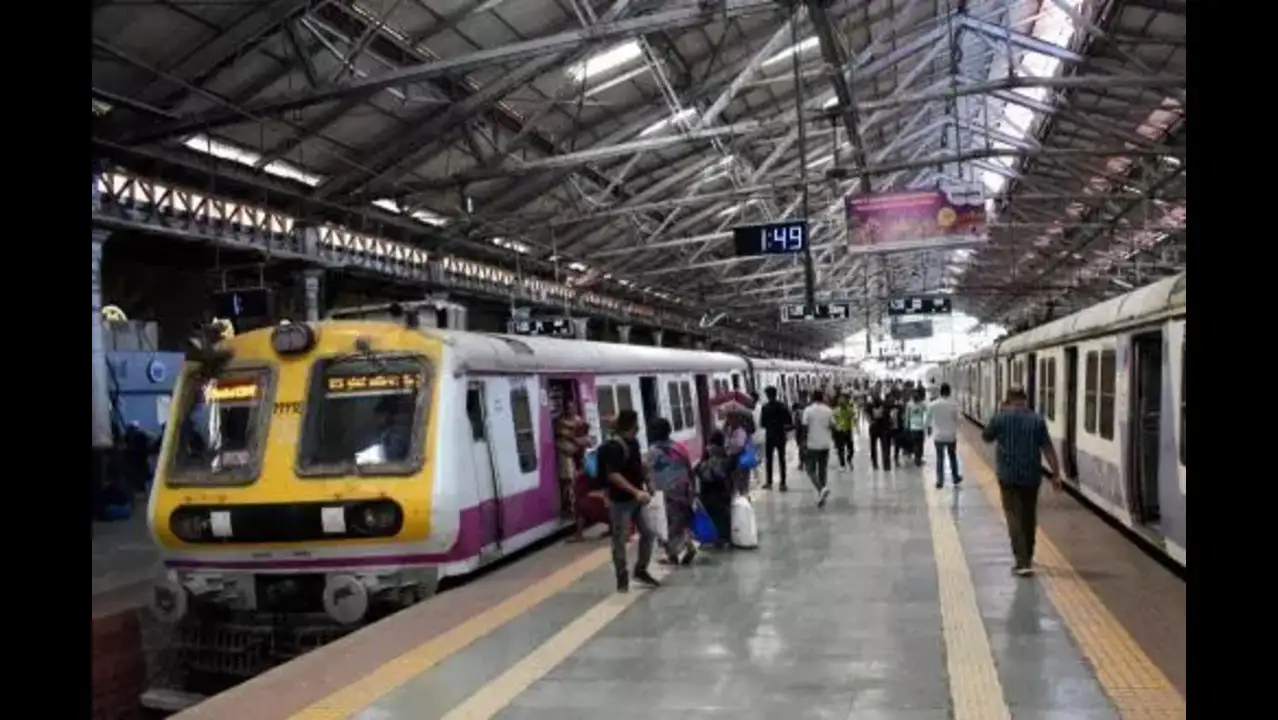
The Mumbai division of Indian Railways has taken a novel approach—transforming every valid train ticket into a potential lottery win.
The initiative, dubbed Lucky Yatra, seeks to combat ticketless travel by turning the mundane act of buying a train ticket into an exciting chance to win daily rewards. Indian Railways, which carries over 24 million passengers daily, has struggled for years with rampant fare evasion. While enforcement measures have been strengthened over time, authorities admit that punitive action alone has not sufficiently curbed the practice. The Lucky Yatra scheme, launched recently in Mumbai, represents a shift in strategy—from deterrence to incentivisation.
Each ticket now carries a unique number that doubles as an entry into a daily draw. Commuters with valid tickets stand a chance to win cash prizes, with winners announced through station broadcasts, posters, and digital platforms. The effort is backed by an integrated marketing campaign across high-visibility points such as railway stations, coaches, radio, and digital media to ensure maximum outreach. The concept taps into India’s love for luck-based games. With Indians reportedly spending over $30 billion annually on lottery tickets, authorities are banking on the idea that commuters might be more inclined to buy a ticket if it also promises a potential reward. By repositioning ticket purchase as a win-win proposition—travel plus the prospect of cash returns—Indian Railways hopes to drive behavioural change among habitual fare evaders.
Officials believe the initiative aligns with broader goals of building a responsible, inclusive, and sustainable public transport culture. Reducing fare evasion not only boosts revenues for infrastructure and service improvements, but also ensures equity for paying passengers who often subsidise those who don’t. The initiative also speaks to a shift in governance and public service delivery, where behavioural science and marketing are being increasingly integrated into policymaking. Rather than relying on punitive deterrents, authorities are turning towards emotional engagement, gamification, and reward systems to influence daily decision-making among citizens.
While the long-term impact of the Lucky Yatra scheme remains to be seen, early feedback suggests that commuters are taking notice. If successful, the programme could serve as a template for other urban transit systems facing similar challenges. For a nation where public transport is not just a mobility solution but a lifeline for millions, making that system more accountable and financially sustainable is crucial. Lucky Yatra is not just about winning cash—it’s about winning trust, fostering a culture of fairness, and redefining how public institutions engage with their users.
Also Read: Indian Railways Implements New Passenger Rules
