Indian Railways Told To Bolster Bridge Infrastructure In Vulnerable Areas
A Parliamentary Standing Committee on Railways has urged Indian Railways to develop a comprehensive database of all bridges located in high-risk zones, such as flood- and landslide-prone areas. The committee’s report, tabled in the Lok Sabha, emphasizes the need for specialized inspections of these vulnerable structures during the peak monsoon season, in addition to the standard pre- and post-monsoon checks. This directive is a crucial step towards modernising the country’s vast rail network, with a focus on leveraging technology to mitigate risks and ensure the safety of passengers and freight alike.
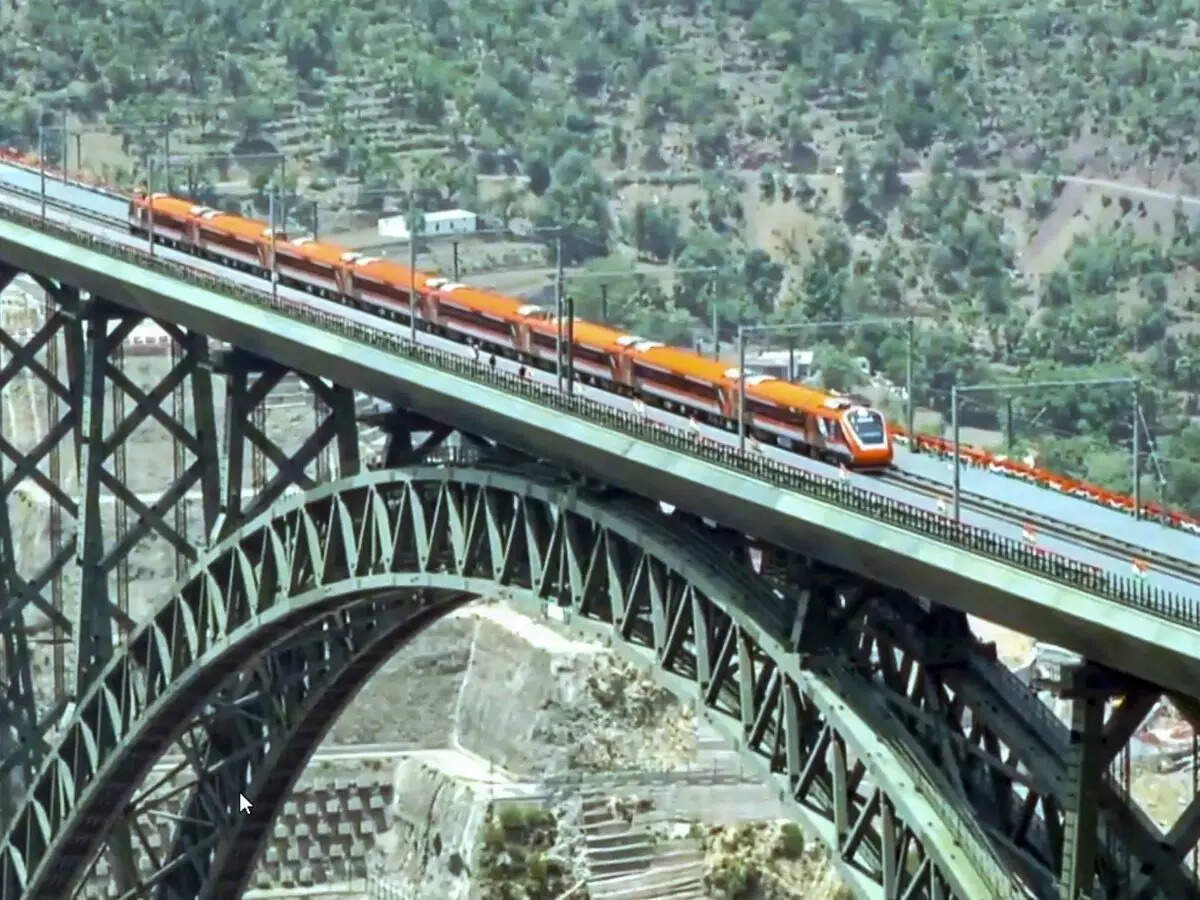
The parliamentary panel’s recommendations are a response to the growing vulnerability of railway infrastructure to extreme weather events. The report specifically advocates for the expansion of real-time monitoring systems, which are currently only used on a select few high-profile structures, including the Anji Bridge, the Chenab Bridge, and the Bogibeel Bridge. These bridges are equipped with sensors that track critical parameters such as strain, tilt, wind speed, and temperature to assess their structural condition in real time. The committee’s call to extend this technology to other vulnerable bridges is a clear signal that a proactive, data-driven approach is required to safeguard the nation’s rail assets.
Beyond the digital realm, the report also suggests tangible improvements to inspection protocols. For underwater bridge structures, it recommends increasing the use of Remote Operated Robotic Vehicles, a move that would enhance inspection accuracy and significantly reduce the safety risks faced by human divers. This forward-thinking approach aligns with the larger goal of creating a sustainable and eco-friendly infrastructure that minimizes human intervention in hazardous environments. The panel also underscored the importance of strong inter-agency collaboration, urging the Railways to work more closely with the India Meteorological Department (IMD) and the Ministry of Jal Shakti to facilitate timely information exchange and advance warnings during adverse weather conditions.
The committee’s recommendations extend to other critical areas of railway infrastructure as well. It has called for the speedy implementation of the Tunnel Management System, which was introduced in 2024-25, for the continuous monitoring of tunnels. It also recommends conducting feasibility studies for escape or evacuation routes in all tunnels longer than three kilometres, as well as safety reviews for shorter tunnels in vulnerable zones. In a move that aligns with the government’s broader social and environmental agenda, the committee also suggested implementing the ‘Amrit Sarovar’ initiative in major projects in water-stressed regions, integrating water conservation with infrastructure development. This comprehensive report, therefore, presents a roadmap for Indian Railways to not only enhance safety and operational efficiency but also to become a more sustainable and technologically advanced institution, ultimately serving the larger interests of the country and its citizens.