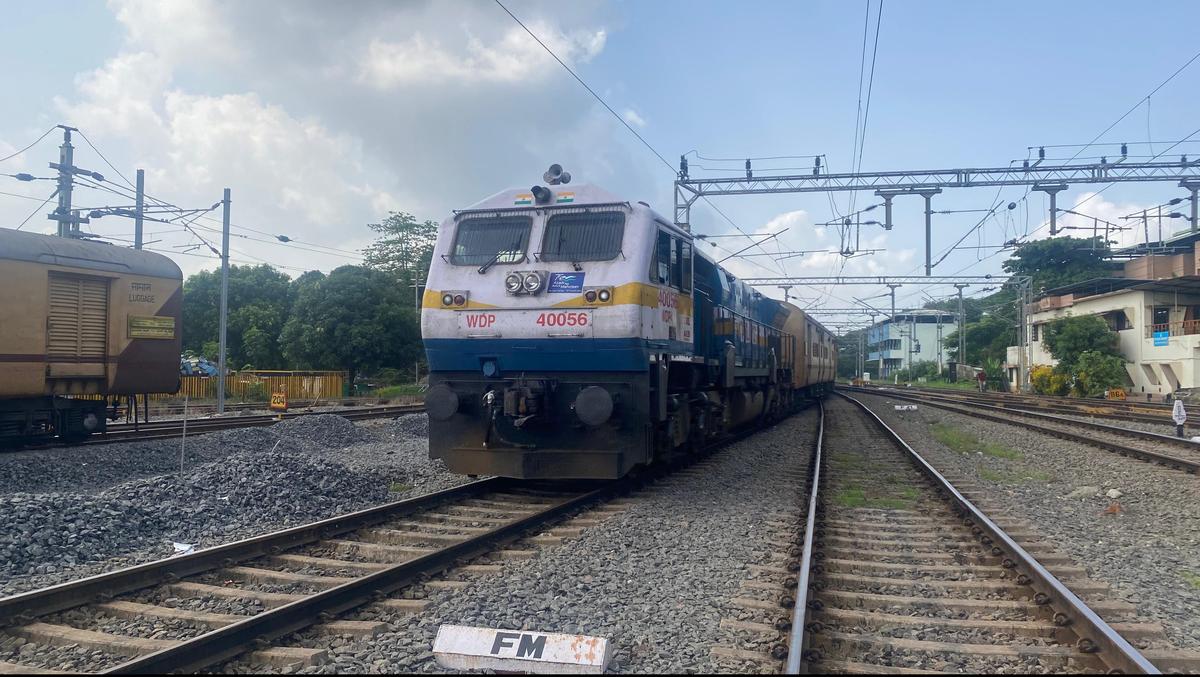
Indian Railways to run special trains from August 8
The national railway network is expanding its services with a focus on both efficiency and environmental consciousness. The upcoming launch of the Mumbai to Nanded Vande Bharat Express is a significant development, promising a faster, more modern rail link for a crucial economic and spiritual corridor. This new semi-high-speed train, operating six days a week, is a clear signal of the Indian government’s commitment to leveraging advanced railway technology to serve its citizens. By offering a premium, comfortable travel experience, the Vande Bharat Express aims to draw passengers away from more carbon-intensive modes of transport, directly contributing to our collective goal of achieving zero-net-carbon, eco-friendly cities.
The introduction of the Vande Bharat Express is part of a larger, nation-wide railway enhancement program. This includes the launch of several special trains to manage the anticipated seasonal surge in passenger traffic. These special services, connecting key hubs like Rewa and Rani Kamalapati, and extending routes from Dhanbad to Mumbai and Bihar to Udhampur, demonstrate a responsive and adaptive public service model. The focus on expanding these services is a proactive measure to ensure that all citizens, regardless of their origin, have access to reliable and efficient public transport, a foundational element of an equitable society. By connecting smaller towns and cities to major metropolises, these trains facilitate not just travel, but also economic and social integration.
Beyond the major new launches, the railway network is also extending the tenure of numerous existing special trains. Services like the Patna-Charlapally Special and the Patliputra-Saharsa-Patliputra Special have been granted extensions, highlighting a data-driven approach to meet sustained passenger demand on popular routes. This strategy ensures that the railway infrastructure remains flexible and can adapt to the dynamic needs of the population. Furthermore, the introduction of special trains for specific events, such as the Sadulpur-Gogamedi Mela Special, underscores the railway’s role in facilitating cultural and social gatherings in a structured and organised manner. This operational flexibility is a testament to a modern and responsive public utility.
The emphasis on rail travel as a primary mode of transport is a critical pillar of our sustainable urban agenda. Compared to road and air travel, railways have a significantly smaller carbon footprint per passenger kilometre. The Vande Bharat Express, with its energy-efficient design, epitomises this commitment. By making rail travel more attractive and competitive, the Indian Railways is not only improving passenger experience but also steering the nation towards a greener future. The long-term impact of these initiatives will be a reduction in urban air pollution and a more sustainable transportation ecosystem, which are essential for creating healthier, more livable cities. This ongoing modernization and expansion of the railway network is a powerful statement about India’s vision for a future where economic growth and environmental responsibility go hand in hand.