


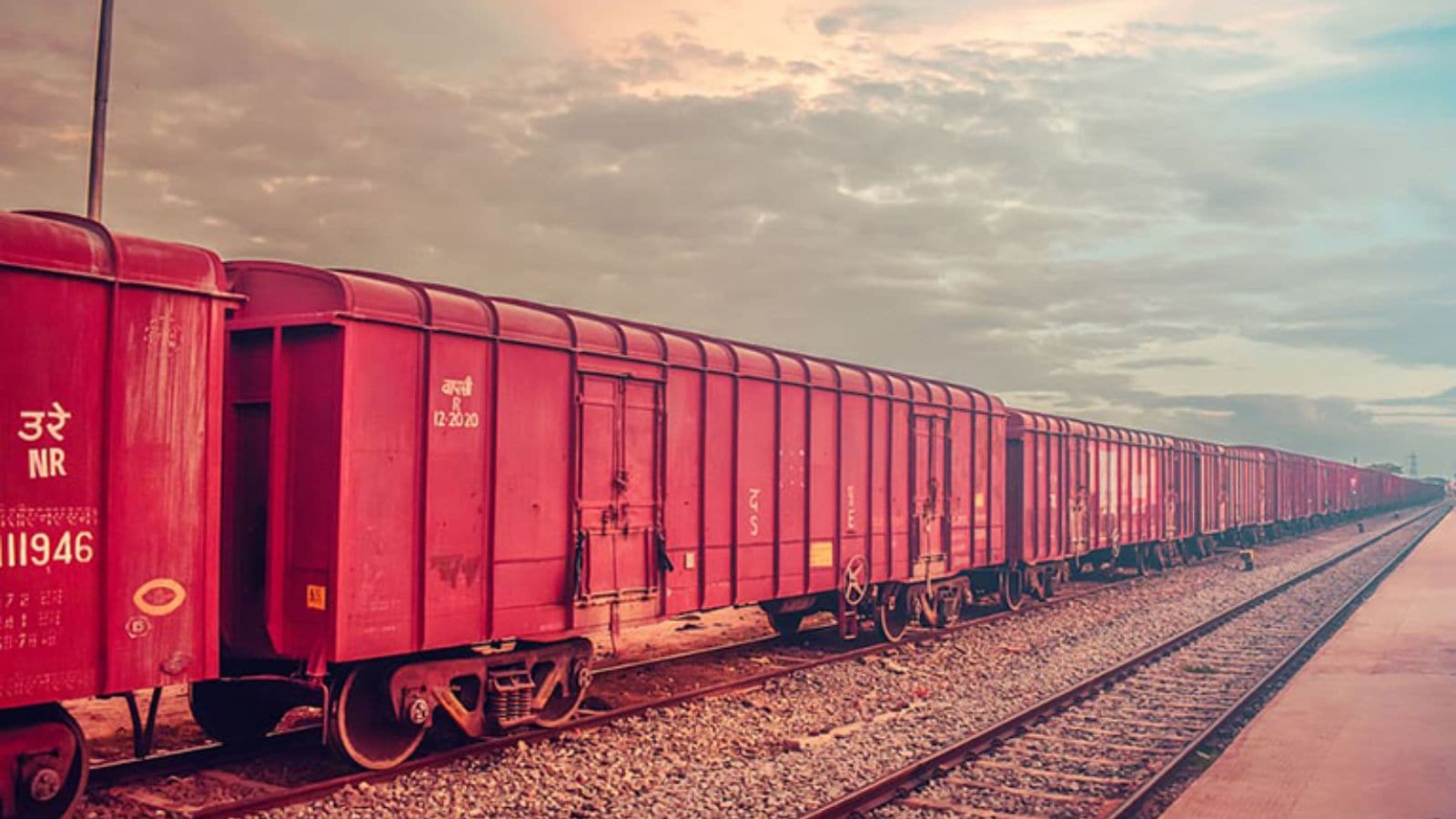
Indian Railways is preparing to launch Gati Shakti Freight trains, a new generation of semi high-speed cargo carriers designed to transform India’s logistics sector. The move, which comes amid a sharp rise in freight demand, is expected to make cargo movement faster, greener, and more cost-effective. Officials confirmed that the trains are being developed at the Integral Coach Factory in Chennai with a focus on meeting the needs of e-commerce, fast-moving consumer goods, and industrial supply chains.
The Gati Shakti Freight trains will be equipped with modern container handling systems and upgraded crew amenities. According to railway planners, the trains are designed to align with India’s long-term infrastructure strategy by cutting logistics costs, reducing road congestion, and ensuring the timely delivery of essential commodities. By using semi high-speed technology, the new system is expected to rival road transport in both efficiency and reliability, giving businesses a stronger incentive to shift to rail. Freight movement has been a key revenue driver for Indian Railways. The national transporter carries more than 1.6 billion tonnes of freight annually, covering a wide range of bulk commodities including coal, cement, food grains, petroleum, and fertilisers. Between 2020-21 and 2023-24, freight loading increased by 29 per cent, reaching nearly 1.6 billion tonnes. Experts say the introduction of faster freight trains could unlock new capacity and strengthen India’s competitiveness in global trade.
The railways has already made substantial progress on its Dedicated Freight Corridor programme, which aims to separate cargo traffic from passenger services. The Eastern and Western Dedicated Freight Corridors together cover more than 2,800 kilometres, with over 96 per cent of the network commissioned. In the last financial year alone, more than 1.3 lakh freight trains operated through these corridors, significantly improving efficiency. Officials said the upcoming Gati Shakti trains will complement these corridors by providing speed and flexibility. Industry experts believe the initiative reflects India’s broader strategy to build sustainable and eco-friendly logistics systems. Rail freight produces significantly lower carbon emissions than road transport, making it an essential part of the country’s climate goals. Analysts also point out that shifting more goods to rail can reduce highway congestion, lower fuel imports, and boost energy security.
While the rollout timeline is yet to be finalised, railway authorities are clear that the Gati Shakti model will set a new benchmark for cargo transport. For businesses and consumers alike, the initiative represents faster deliveries, lower costs, and a greener economy. The project is also likely to strengthen India’s ambition of building equitable and efficient cities supported by modern transport infrastructure.
Also Read: Indian Railways announces festive return ticket discounts with simple IRCTC booking guide
