


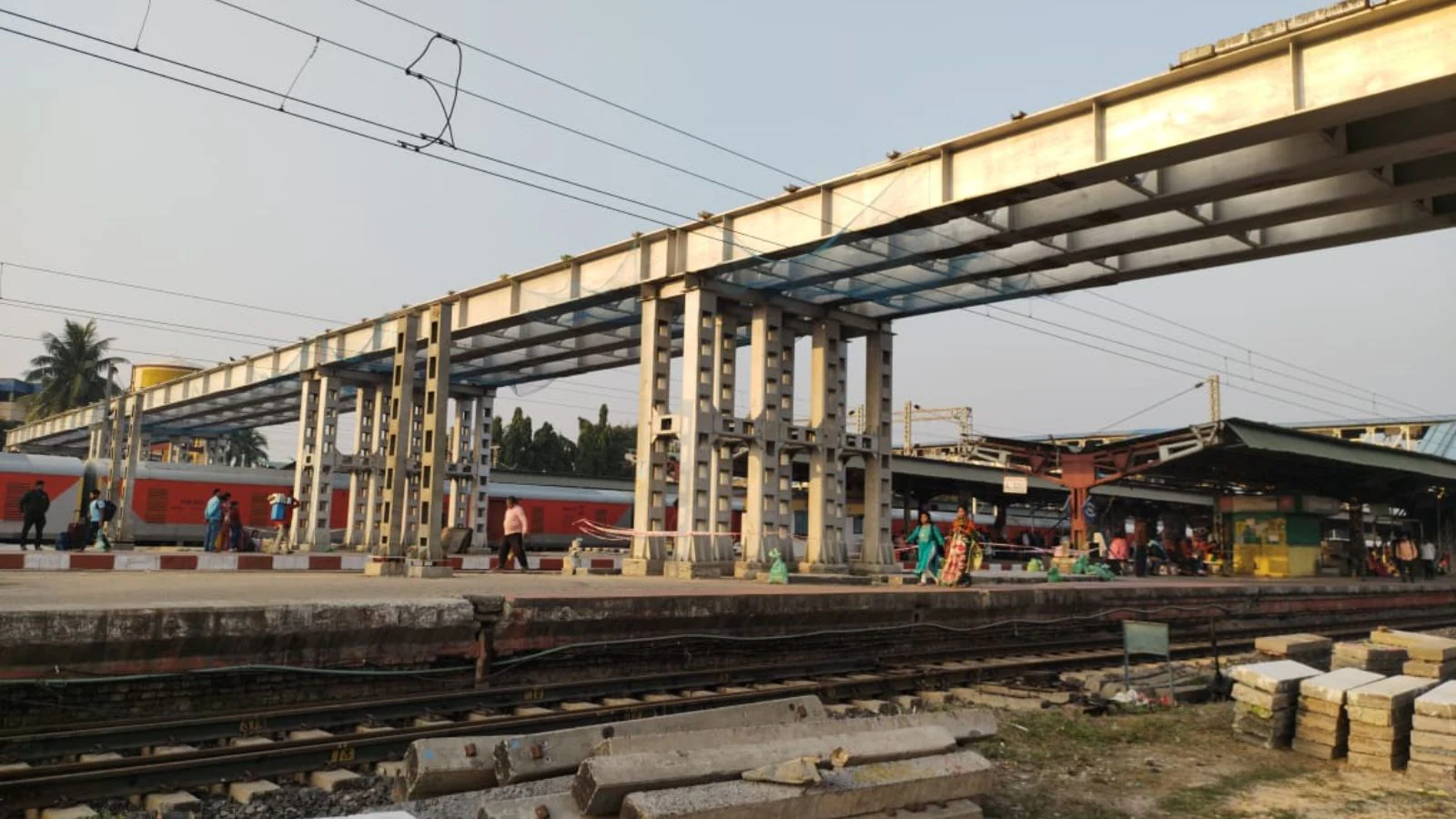
The Ministry of Railways is advancing plans to develop a network of Mega Coaching Terminals in 20 major cities across India to enhance train-handling capacity and ease congestion at existing stations. The initiative aims to support smoother train operations during peak travel periods such as festivals, summer vacations, and winter holidays, when demand for long-distance trains surges nationwide.
According to officials, these upcoming mega terminals will be strategically located in high-demand urban centres including Delhi, Mumbai, Chennai, Kolkata, and Ahmedabad, among others. The move aligns with Indian Railways’ long-term modernisation agenda focused on improving operational efficiency, passenger convenience, and capacity utilisation while supporting sustainable urban mobility. Each terminal will be designed as a dedicated coaching hub, equipped with advanced pit lines, maintenance infrastructure, and integrated passenger facilities. These new facilities will help separate originating and terminating operations from through-running services, allowing existing city stations to focus on high-frequency suburban and intercity trains. “The aim is to double train-handling capacity and reduce delays while improving passenger experience,” said a senior railway official.
In Ahmedabad, construction of one such terminal at Vatva is already underway. The project will include 10 pit lines and additional infrastructure to support around 45 more trains, bringing the city’s total capacity to nearly 150 trains. Another terminal is also being planned for Surat, catering to the city’s rapidly growing passenger demand. Additionally, the Ahmedabad station itself will receive three new platforms connected via a concourse roof plaza, designed to integrate foot overbridges and elevated road access for smoother passenger circulation. Experts say this decentralised model of rail terminal development mirrors international best practices seen in countries like Japan and Germany, where peripheral hubs reduce crowding at central stations. “By developing satellite terminals, Indian Railways can improve punctuality, manage crowd flow, and make urban transport systems more resilient and sustainable,” noted an industry expert.
The expansion also carries an environmental dimension. By optimising land use and enabling faster, more reliable train operations, the mega terminals are expected to encourage modal shift from private road transport to rail—one of the most energy-efficient forms of mass mobility. This transition supports India’s broader climate goals, including its target of achieving net-zero emissions by 2070. As the Indian Railways moves forward with these projects, analysts stress the need for integrated planning with local authorities, ensuring that last-mile connectivity, transit-oriented development, and accessibility features remain central to terminal design. If executed well, these terminals could mark a transformative step in reshaping India’s rail and urban infrastructure for a more sustainable, passenger-friendly future.
Also Read: Navi Mumbai Sees Delayed Flamingo Arrival Owing To Prolonged Monsoon Showers This Year
