


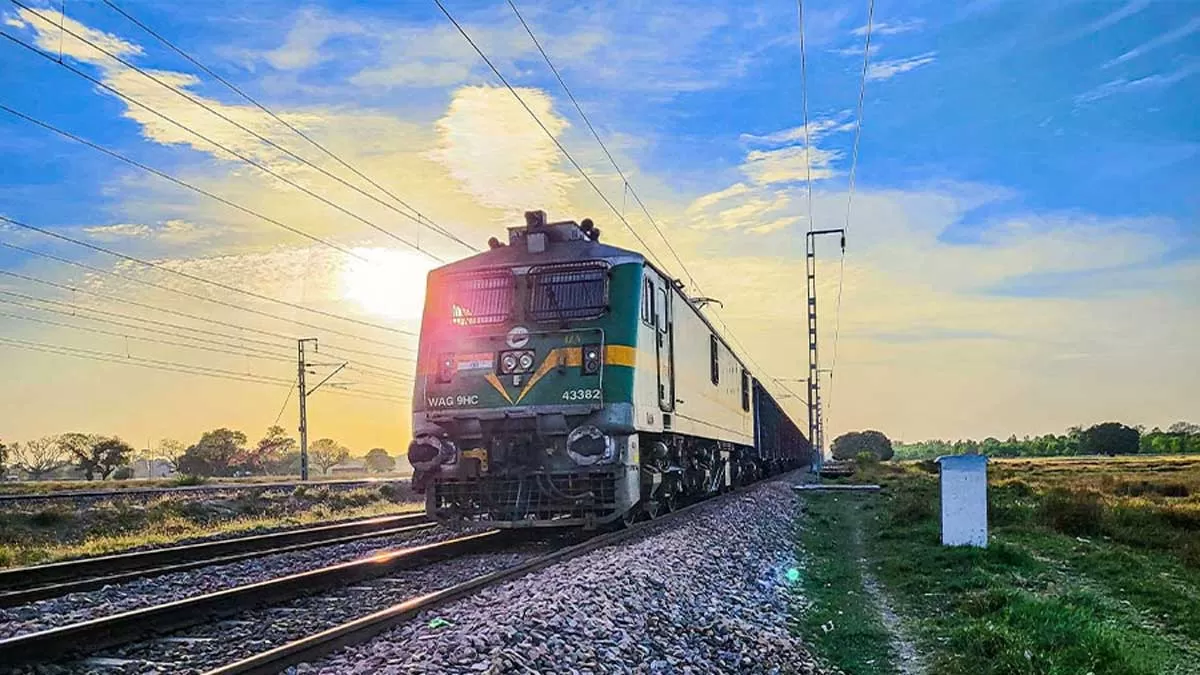
Indian Railways has sanctioned a staggering 237 projects valued at approximately Rs 1.9 trillion (USD 228 billion) over the last three fiscal years and the current financial year. This monumental investment underscores India’s commitment to modernising its vast rail network, with a strategic emphasis on enhancing connectivity, efficiency, and safety. Crucially, these projects are being executed with an eye towards fostering zero net carbon, eco-friendly, and equitable cities, aligning with the nation’s broader sustainability agenda.
The sanctioned projects span a total length of 9,703 kilometres, encompassing 40 new lines, 17 gauge conversions, and 180 doubling works. This accelerated pace of infrastructure development is a direct outcome of the comprehensive planning facilitated by the PM Gati Shakti National Master Plan. This integrated platform has significantly improved coordination among various stakeholders, leading to enhanced quality in Detailed Project Reports (DPRs) and considerable reductions in project costs. Such efficiencies are vital for ensuring that large-scale infrastructure projects deliver maximum societal and environmental benefits.
Also Watch: “Mumbai will rock, shine and always be India’s best city to live.” In an exclusive, MHADA CEO Sanjeev Jaiswal (IAS) talks about Mumbai’s enduring charm, livability, and the government’s focus on making it affordable for all
A cornerstone of this ambitious modernisation drive is the Amrit Bharat Station Scheme, under which 1,337 railway stations nationwide are earmarked for redevelopment. These upgrades are designed to provide world-class amenities to passengers, improving their travel experience while also integrating eco-friendly features. This includes provisions for improved accessibility for all, including persons with disabilities, and a focus on aesthetically pleasing designs that often draw inspiration from local culture and heritage. The scheme’s emphasis on features like rainwater harvesting, waste management, and the use of renewable energy sources such as solar power for station operations directly contributes to reducing the carbon footprint of urban centres.
Beyond static infrastructure, Indian Railways is also revolutionising its rolling stock. The introduction of state-of-the-art Vande Bharat, Amrit Bharat, and Namo Bharat Rapid Rail trains signifies a shift towards energy-efficient and comfortable travel options. These electric-powered trains significantly reduce greenhouse gas emissions compared to traditional diesel locomotives, aligning with India’s ambitious target of achieving Net Zero Carbon Emitter status by 2030. Furthermore, the implementation of safety enhancements such as the Kavach Automatic Train Protection (ATP) system and the elimination of unmanned level crossings by replacing them with Road Over Bridges (RoBs) and Road Under Bridges (RUBs) in a phased manner demonstrates a holistic commitment to both passenger safety and community well-being, paving the way for more resilient and inclusive urban environments.
Also Read: Air India Flight AI 2744 Skids Off Mumbai Runway Amid Rain Today
