


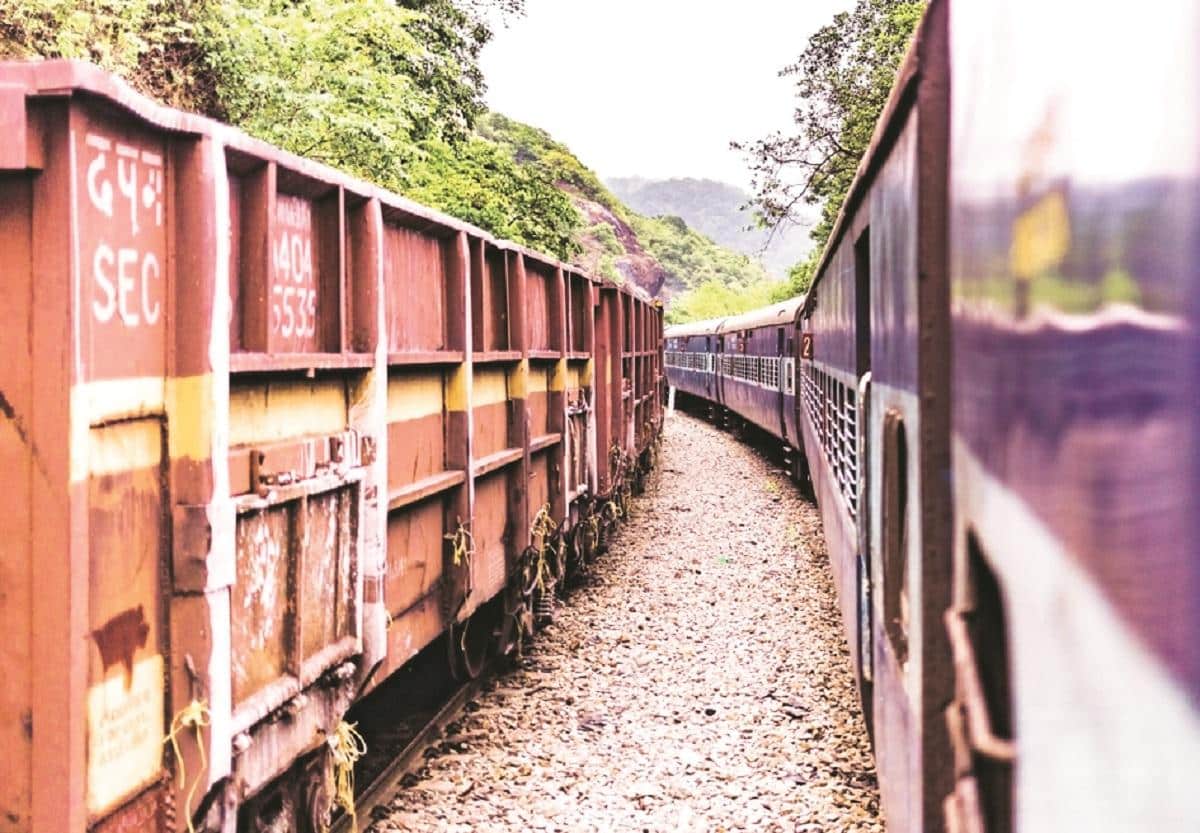
The Indian Railways has unveiled plans for an underground rail corridor through the Siliguri corridor, a strategic stretch in northern West Bengal that connects the northeastern states with the rest of the country. Officials indicate the subterranean route aims to decongest surface traffic, enhance freight and passenger efficiency, and strengthen national connectivity across this geographically sensitive region. The project carries both economic and security implications for urban planning and regional mobility.
The proposed corridor is designed to bypass the densely populated areas of Siliguri town, reducing travel time for inter-state passenger trains and freight services. Urban planners note that the move is expected to alleviate congestion on existing railway lines, which currently carry both commuter traffic and long-haul freight, often leading to delays and operational inefficiencies. By shifting part of the traffic underground, the city’s surface-level infrastructure can be optimised for local transit, pedestrian spaces, and sustainable urban development. Industry experts highlight that the project represents a growing trend of integrating subterranean infrastructure in urban and peri-urban regions to manage land scarcity and environmental constraints. The corridor is expected to support faster freight movement from industrial clusters in West Bengal to ports and logistics hubs, improving supply chain resilience for sectors ranging from agriculture to manufacturing. Economists emphasise that this can enhance regional competitiveness and create indirect employment opportunities linked to construction, operations, and ancillary services. Environmental and climate considerations are central to planning. Underground alignment mitigates land acquisition challenges and reduces deforestation risks, while minimising air and noise pollution in urban zones. Officials indicate that sustainable engineering practices, including energy-efficient tunnelling and electrified tracks, will be employed to align the project with national goals for low-carbon infrastructure.
A senior official in the transport ministry noted that phased implementation and advanced monitoring will be crucial for managing complex logistics, particularly in flood-prone and geologically sensitive segments of the Siliguri corridor. Urban planners also stress integrating this rail link with regional bus networks and last-mile connectivity to ensure equitable access for commuters and freight operators. The underground corridor is anticipated to redefine the region’s transport dynamics, reducing travel bottlenecks while supporting long-term urban and industrial expansion. Its completion could serve as a model for combining high-capacity transport infrastructure with climate-conscious, people-first urban design, demonstrating how strategic investment in mobility can foster economic growth and urban resilience in constrained geographic corridors.
Also Read: Ahmedabad Mumbai Bullet Train Spurs Rail Shift
Indian Railways Plans Subterranean Line In Siliguri
