


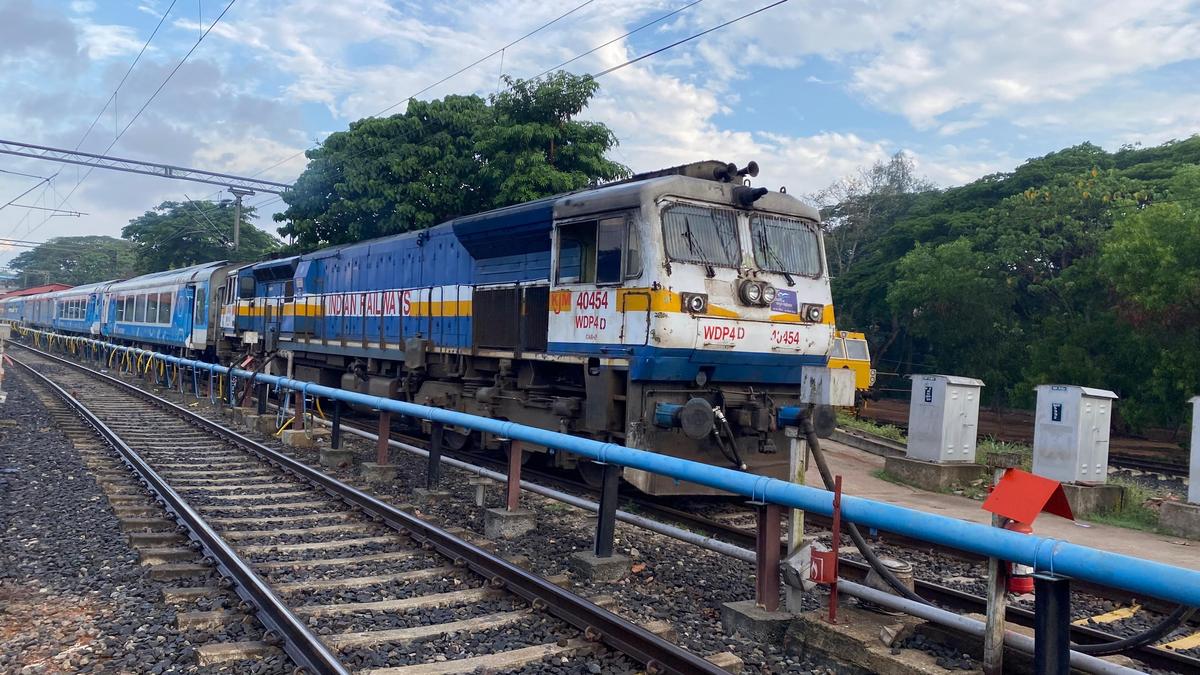
Indian Railways is set to retire its long-standing UTS mobile application from March 1, transitioning passengers to the new RailOne digital platform for ticket bookings and related services. The move reflects a strategic push to consolidate digital services, enhance operational efficiency, and offer a more integrated, user-centric interface for commuters across urban and regional rail networks.
The RailOne app aims to centralise multiple passenger services, including unreserved ticketing, season passes, and smart card integration, under a single interface. Transport planners and technology analysts highlight that streamlining mobile platforms can reduce maintenance overheads and improve data analytics capabilities, allowing for better resource allocation and more responsive urban transit planning. Urban mobility experts note that digitisation of ticketing aligns with broader smart city initiatives, where seamless transport experiences are integral to sustainable urban growth. Consolidated digital infrastructure facilitates reduced paper usage and lowers carbon footprints associated with traditional ticketing counters. A senior railway official emphasised that the platform’s enhanced functionality could also support accessibility features, contributing to inclusive transport solutions for differently-abled passengers. Economically, the transition is expected to open opportunities for technology vendors, app-based service providers, and urban logistics firms engaged in last-mile connectivity. Experts point out that centralised digital platforms can enhance transparency in fare collection, reduce leakage, and offer real-time insights into commuter patterns, which can inform policy decisions and infrastructure investment across metropolitan and regional rail corridors.
From an operational perspective, the new app promises faster booking times, integrated QR code validation, and real-time updates on train schedules, reducing congestion at ticket counters and improving commuter experience. Urban transport analysts suggest that such digital consolidation can serve as a blueprint for other high-volume public transit networks seeking efficiency gains and climate-aligned service delivery. Looking ahead, the success of RailOne will hinge on effective passenger adoption, robust backend infrastructure, and consistent customer support. If widely adopted, the platform could become a model for technology-driven, sustainable urban transit solutions, linking mobility, convenience, and environmental responsibility in one digital ecosystem.
Also Read: Indian Railways Launches Online Meal Booking Facility
Indian Railways Migrates Passengers To RailOne App
