Indian Railways is preparing to introduce a sleeper Vande Bharat service on the Patna–Delhi corridor by early summer, marking a strategic shift in how long-distance rail travel is being modernised in eastern India. The proposed train, expected to begin operations around June, would extend the flagship semi-high-speed brand beyond daytime intercity routes into overnight travel, offering a faster alternative on one of the country’s busiest passenger corridors.
Railway officials said rakes for the new service are currently under production at the Integral Coach Factory in Chennai, with parallel manufacturing underway at other units, including Jhansi. The expanded production line reflects the railways’ effort to scale up domestic rolling stock capacity under the Make in India programme. According to officials familiar with the schedule, eight sleeper Vande Bharat rakes are slated for readiness between May and June, forming the initial fleet for long-distance deployment. The Patna–Delhi corridor carries heavy passenger volumes year-round, driven by migration, education, government services and seasonal labour movement. Industry experts say the introduction of a sleeper Vande Bharat could significantly alter travel patterns by combining reduced journey times with higher onboard comfort, particularly for middle-income travellers who currently rely on premium express services.
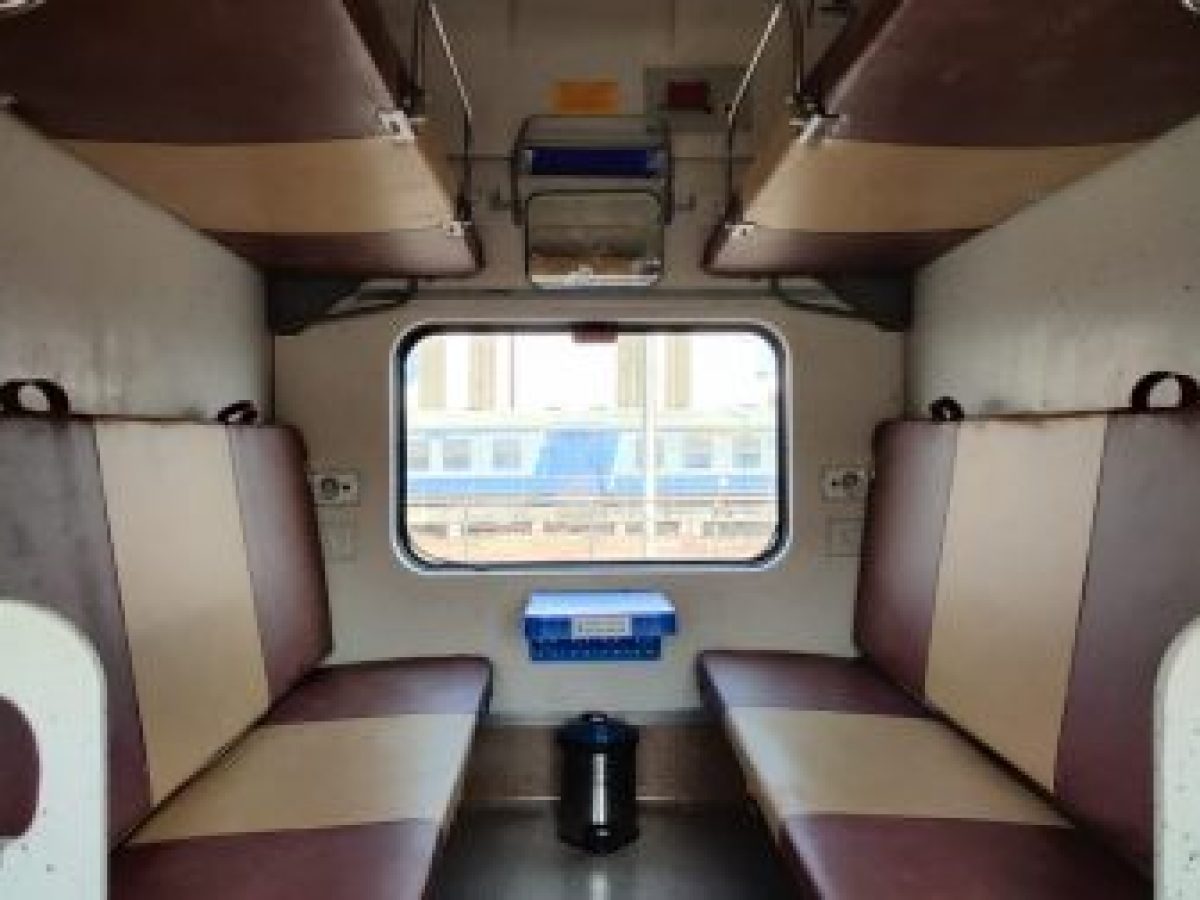
The sleeper configuration is designed as a 16-coach set with a mix of air-conditioned classes, offering over 800 berths across Third AC, Second AC and First AC categories. Officials said the layout prioritises overnight comfort, with redesigned berths, improved suspension systems and enhanced noise insulation to reduce travel fatigue on long hauls. Automatic doors, upgraded climate control and hygienic disinfection systems are also part of the design package. From an operational perspective, the train’s semi-high-speed capability rated for a top speed of 180 kmph allows faster acceleration and braking compared with conventional long-distance rakes. Railway engineers say this performance profile is critical for cutting end-to-end travel times on congested trunk routes such as Patna–Delhi, where track capacity constraints and mixed traffic often limit average speeds.
Safety technology is another key component of the sleeper Vande Bharat platform. The coaches will be equipped with the indigenous Kavach collision avoidance system, along with emergency communication features and advanced driver assistance controls. Officials said these upgrades align with the railways’ broader safety modernisation programme, which seeks to reduce human-error risks on high-density corridors. The Patna–Delhi sleeper Vande Bharat is part of a national rollout plan to operate 12 such trains by the end of 2026, signalling a long-term transition towards faster, cleaner and more energy-efficient long-distance rail services. Transport economists note that shifting a share of overnight travel from road and short-haul aviation to electrified rail can deliver measurable carbon benefits, particularly on corridors with heavy passenger demand.
For cities like Patna, improved rail connectivity also has wider economic implications. Faster overnight links to the national capital can support business travel, educational mobility and tourism while reducing the time and cost burden on households. Urban planners argue that high-quality intercity rail is increasingly central to balanced regional growth, helping secondary cities remain competitive without adding pressure to already congested airports and highways.
If the timeline holds, the Patna–Delhi sleeper Vande Bharat could become a test case for how Indian Railways reshapes long-distance travel where speed, comfort and sustainability converge to meet rising mobility expectations across India’s expanding urban network.
Indian Railways eyes Patna Delhi upgrade