


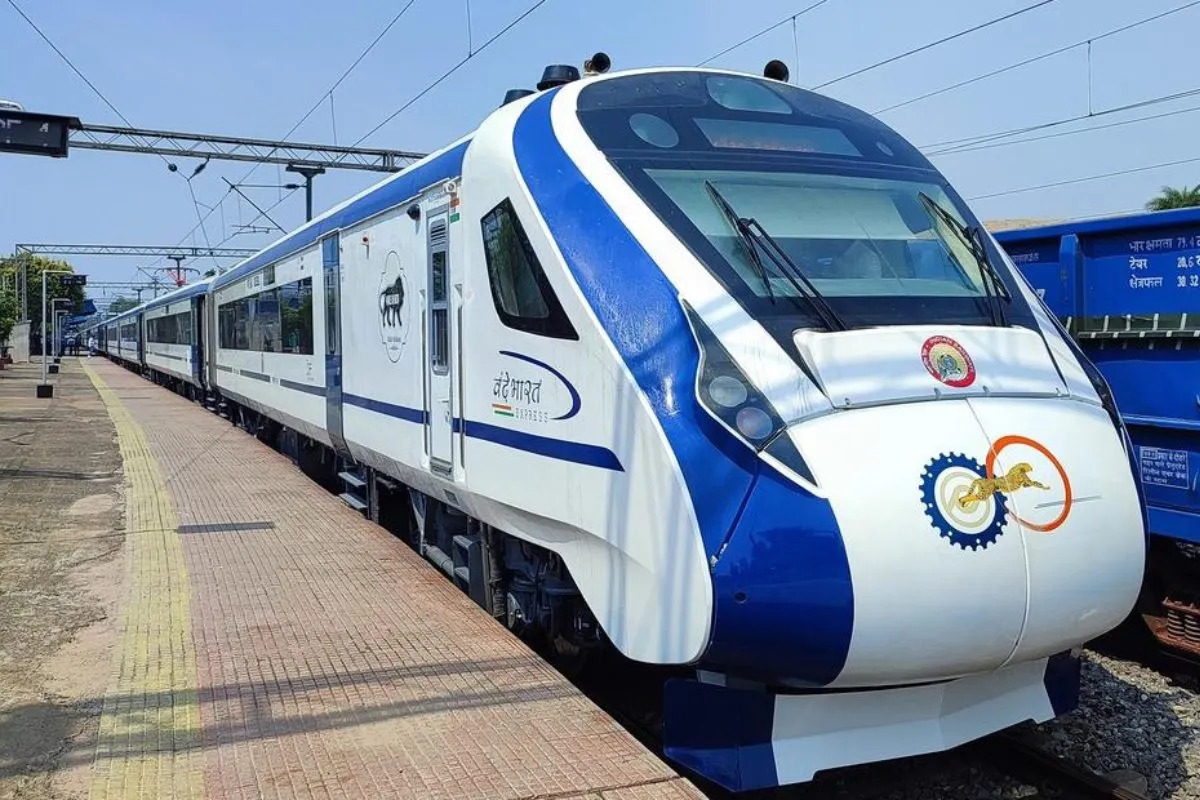
Indian Railways is set to augment the number of coaches on seven of its most popular Vande Bharat train routes. The decision to expand the fleet capacity comes after a review of high occupancy rates on these services, signalling a robust public preference for modern, semi-high-speed rail travel. This significant step not only addresses the immediate need for increased seating but also underscores a commitment to making efficient, zero-net-carbon rail transport a cornerstone of India’s urban and intercity mobility. The move is expected to enhance passenger experience and contribute to the broader goal of building sustainable and equitable cities.
The augmentation plan will see four of the eight-car Vande Bharat trains upgraded to 16-car configurations, while three existing 16-car trains will be expanded to 20 cars. This capacity enhancement is a direct result of meticulous analysis of passenger data, which showed consistently high occupancy rates on these routes. The routes slated for this upgrade span the country, connecting major cities and regions. They include the popular services between Mangaluru and Thiruvananthapuram, Secunderabad and Tirupati, and Chennai Egmore and Tirunelveli. Other key routes like Madurai to Bengaluru, Deoghar to Varanasi, Howrah to Rourkela, and Indore to Nagpur are also part of this phase of expansion.
The decision to augment the fleet has significant operational and financial implications. By increasing the capacity of existing trains, the railway can accommodate more passengers without the need to run additional services, thereby optimising track usage and reducing operational costs. The enhanced capacity will also lead to a more gender-neutral and inclusive travel environment by accommodating a larger cross-section of society. The released rakes from the 8-car and 16-car configurations will be repurposed for new services on other routes, ensuring that the rolling stock is utilised to its full potential. This cascading effect of fleet optimisation is a testament to sound business and environmental planning.
From an environmental standpoint, the expansion of the Vande Bharat fleet is a crucial step towards reducing the carbon footprint of intercity travel. Vande Bharat trains, being electric and energy-efficient, offer a much cleaner alternative to traditional diesel locomotives and personal vehicles. Encouraging a modal shift from air and road travel to rail is a core component of building zero-net-carbon infrastructure. By making these trains more accessible and accommodating, the railway is actively encouraging a sustainable lifestyle and contributing to the global fight against climate change. This initiative is a prime example of how business decisions can be aligned with broader societal and environmental goals.
The success of the Vande Bharat project and its subsequent expansion highlights a growing appetite among Indian consumers for modern, comfortable, and efficient rail travel. The proactive approach of Indian Railways in responding to this demand not only strengthens its position as a key player in the nation’s transport sector but also sets a benchmark for future public-private partnerships and infrastructure projects. The augmentation of the Vande Bharat fleet is more than just a logistical exercise; it is a forward-looking strategy that addresses passenger needs while simultaneously advancing the nation’s commitments to sustainability and equitable development.
Also Read :Delhi-based Luxury Train Embarks on Pan-India Char Dham Pilgrimage
