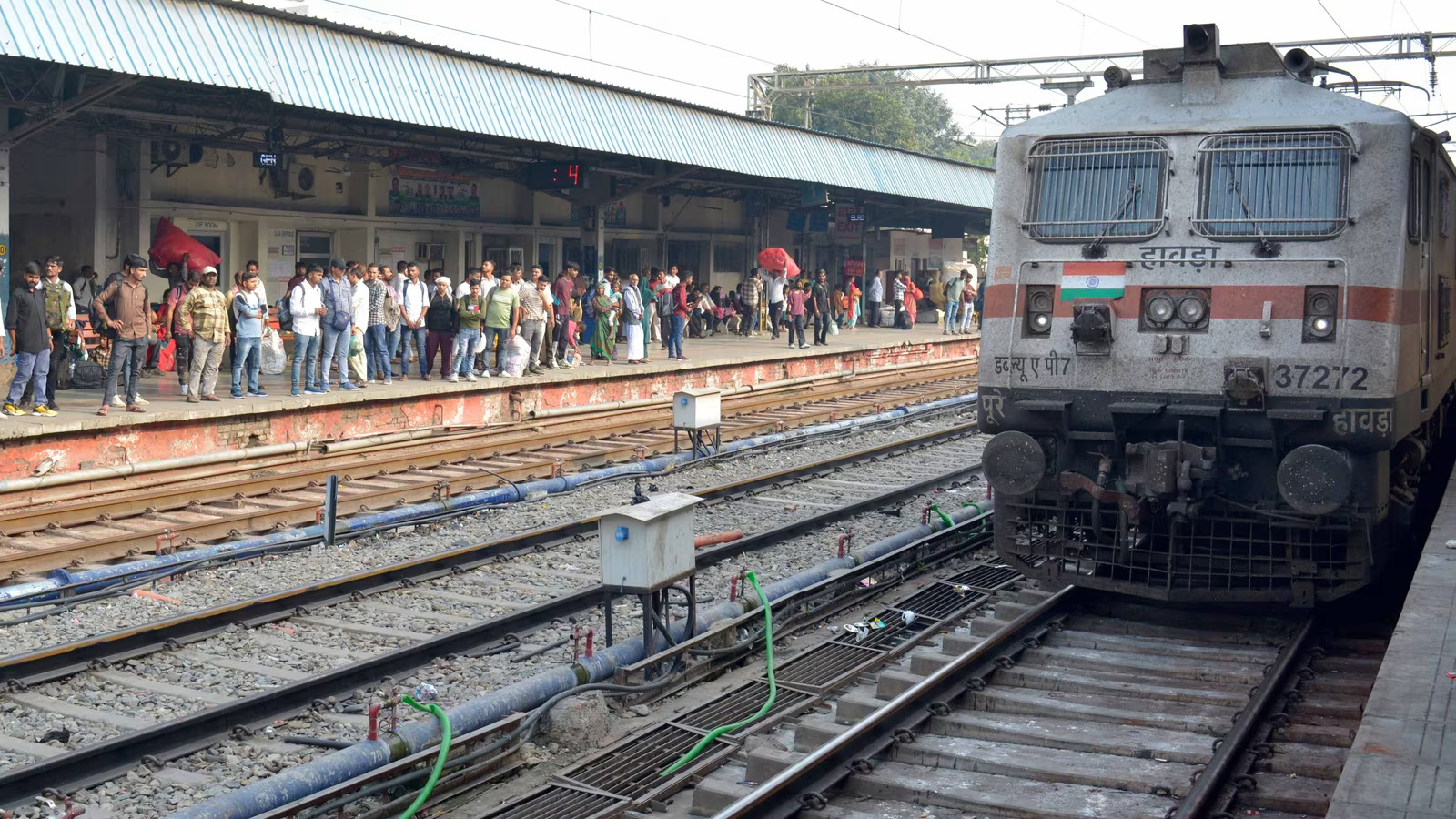
Indian Railways Deploys 150 Special Trains To Manage Festive Rush
Indian Railways has launched a large-scale initiative to operate a significant fleet of special passenger services to accommodate the surge in travel during the upcoming festive season. This strategic move, which involves a total of 150 trains making over 2,000 trips between September and November, is poised to reshape the logistics landscape for millions of citizens journeying back to their hometowns. Beyond the sheer numbers, this operation underscores a broader commitment to sustainable, accessible, and equitable urban-to-rural connectivity. The initiative represents the first phase of a larger effort to manage the immense human traffic expected to flow across the nation.
This comprehensive plan, officials confirm, is a meticulously choreographed response to seasonal demand, designed to mitigate overcrowding and ensure smooth transit. The distribution of these special services highlights key operational corridors. South Central Railway leads the charge, deploying 48 trains for 684 trips, predominantly from hubs like Hyderabad, Secunderabad, and Vijayawada. Meanwhile, East Central Railway has allocated 14 trains to complete 588 trips, serving major cities in Bihar such as Patna, Gaya, and Muzaffarpur, which see a massive influx of travellers. In the populous Eastern zone, 24 special trains from Kolkata, Sealdah, and Howrah will undertake 198 trips, while Western Railway is facilitating 204 trips with 24 trains from cities including Mumbai, Surat, and Vadodara.
From a sustainability standpoint, this reliance on rail infrastructure presents a compelling narrative for an eco-friendly future. With passenger rail being a significantly lower-carbon alternative to individual vehicles, the strategic addition of these services during peak travel periods directly contributes to a reduction in the country’s collective carbon footprint. This systematic shift in mass mobility aligns perfectly with national aspirations for zero net carbon cities. By providing a scalable, efficient, and environmentally conscious mode of transport, the railways are actively steering millions away from carbon-intensive road travel, thereby alleviating traffic congestion and air pollution in major urban centres.
The initiative also stands as a testament to the railways’ role in fostering social equity. By offering an affordable and widely accessible mode of transport, these trains ensure that individuals from all economic backgrounds can participate in cultural festivities and family reunions. This is particularly crucial for students and migrant workers, for whom long-distance travel would otherwise be financially prohibitive. The provision of these special services promotes a more inclusive form of mobility, reinforcing social bonds and strengthening the fabric of society by bringing communities closer together during a period of cultural significance. The emphasis on equitable access to travel is a cornerstone of building truly inclusive and interconnected cities.
The ripple effect of this railway intervention extends deep into the national economy. The seamless movement of people to and from smaller towns and villages injects a much-needed boost into local economies. From small-scale vendors at railway stations to businesses in regional markets, the influx of visitors stimulates commerce and creates temporary employment opportunities. This decentralised economic activity, facilitated by efficient transport, helps to bridge the urban-rural divide and ensures that the financial benefits of the festive season are distributed more broadly. Experts believe that this targeted intervention, while seasonal, provides a valuable case study for how public infrastructure can be leveraged to achieve both economic and social objectives.
This initial tranche of special trains serves as a blueprint for future logistical planning, with railway officials indicating that more services will be notified in the coming days to meet demand. The phased rollout demonstrates a data-driven approach, allowing the authorities to dynamically adjust capacity based on real-time travel needs. This methodical expansion is a clear sign that the railway network is evolving beyond its traditional role to become a strategic tool for sustainable urban and social development, one that not only moves people but also advances the nation’s ambitious climate and equity goals.