


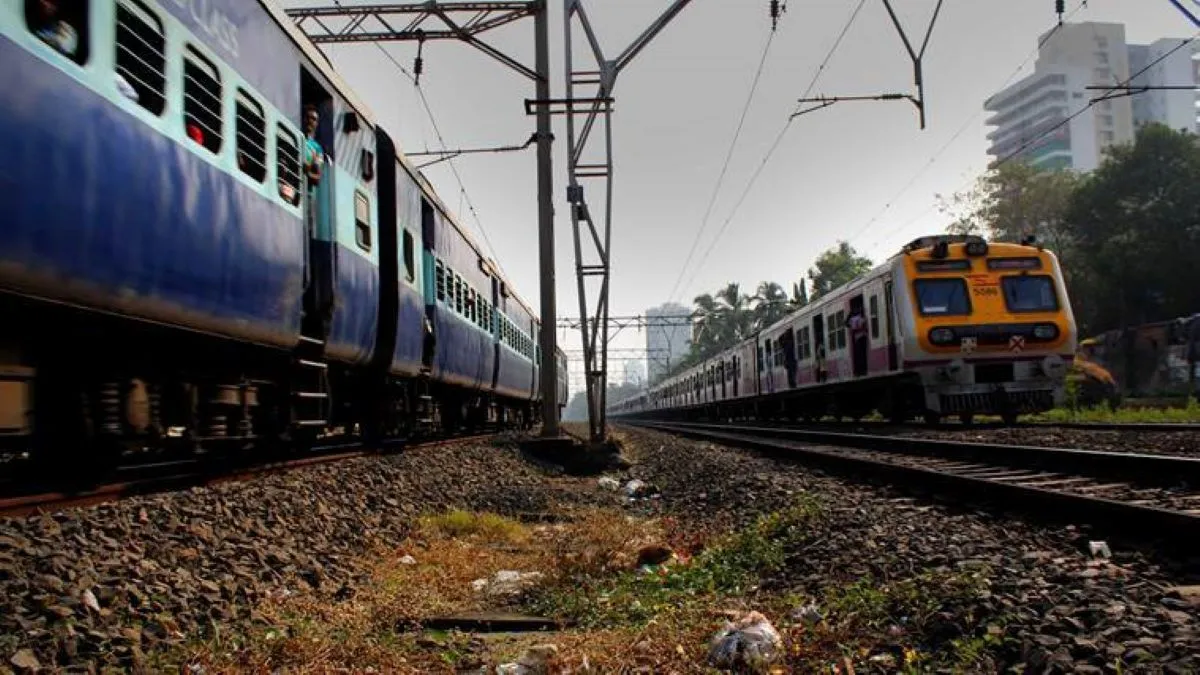
Indian Railways has intensified a nationwide crackdown on ticketless and irregular passengers, deploying a series of strategic spot checks, ambush checks, and fortification checks across local, express, and mail trains, as well as various station premises.
This concerted effort is not merely a punitive measure; it represents a critical drive to ensure a hassle-free and comfortable journey for all paying passengers and to safeguard the vital revenue streams essential for the sustainable operation and future expansion of India’s colossal rail network. This initiative reinforces principles of fairness and equitable access to one of the world’s largest and greenest mass transit systems. The scale of the challenge and the vigour of the enforcement are evident across multiple railway zones. Pankaj Kumar Singh, Chief Public Relations Officer for Northeastern Railway, confirmed substantial recoveries, citing a recent drive from Gorakhpur to Siwan sections where fines totalling ₹5,65,140 were collected from 765 cases, encompassing ticketless travel, irregular tickets, and unbooked luggage. Similarly, the North Central Railway’s Prayagraj Division reported charging 131 persons and collecting ₹90,400 in a recent check, including fines for unsanitary practices. Such operations, involving a coordinated effort between ticket inspectors, Railway Protection Force (RPF), and Government Railway Police (GRP) personnel, are pivotal in maintaining order and fiscal discipline.
The persistent issue of ticketless travel directly compromises the passenger experience. Overcrowding, a frequent consequence of unauthorised boarding, diminishes comfort, safety, and the overall quality of travel for legitimate commuters. This disproportionately affects vulnerable segments of the population—including women, children, and the elderly—who may find it challenging to navigate congested compartments or secure dignified seating. By curbing these irregular practices, Indian Railways aims to restore a sense of order and ensure that every individual who contributes to the system by purchasing a ticket receives the quality of service they are entitled to, fostering a more equitable public transport environment. Beyond passenger comfort, the financial health of Indian Railways is intrinsically linked to its ticket revenue. These funds are indispensable for critical investments in maintenance, modernisation, and expansion of the rail infrastructure. A financially robust railway system is better positioned to integrate greener technologies, enhance energy efficiency, and extend its reach, thereby reducing the nation’s reliance on more carbon-intensive transport modes and contributing significantly to the vision of zero-net carbon and eco-friendly cities. The millions collected in fines, as evidenced by South Western Railway earning ₹53.33 crore in FY 2024-25 and Prayagraj Division collecting over ₹58.62 crore in the same period, underscore the enormous revenue at stake.
Alarmingly, the challenge appears to be escalating. East Central Railway data indicates a significant 45% increase in cases compared to a similar period last year, highlighting the persistent nature of the problem despite intensified checks. This trend necessitates continued vigilance and robust enforcement across all zones. Western, Central, and Northern Railways have also intensified their checks, notably targeting AC local and first-class coaches, where higher fares are often associated with premium amenities. This nationwide drive serves as a strong appeal to public responsibility, emphasising that adherence to ticketing regulations is not just a legal obligation but a collective contribution to the sustained efficiency and equitable functioning of India’s most vital transport artery.
Also Read : Vande Bharat Train to Link Gorakhpur with Prayagraj
