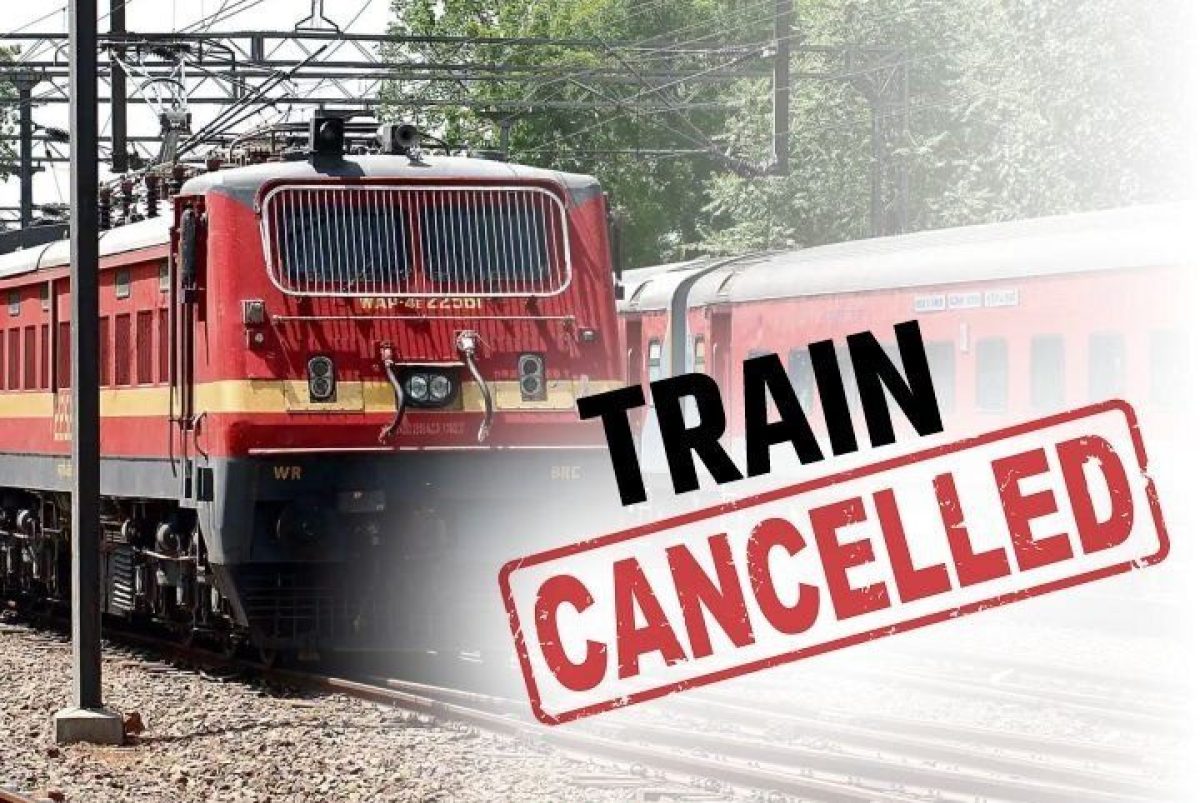
Rail services across key routes in Jharkhand and adjoining states have been temporarily halted, with Indian Railways cancelling over two dozen passenger trains until April 26.
The cancellations, which affect daily commuters and long-distance travellers alike, are a result of intensive infrastructure development and maintenance efforts underway within the South Eastern Railway zone. According to railway officials, the operational suspension is part of a strategic effort to modernise critical segments of the network. Essential works including track renewal, signalling enhancements, and preventive maintenance are being carried out primarily in the Adra and Chakradharpur divisions—both high-density corridors that handle significant passenger and freight movement.
Authorities have confirmed that a total of 29 services have been affected during this period, including popular MEMU (Mainline Electric Multiple Unit) and express trains connecting cities such as Tatanagar, Rourkela, Hatia, and Bilaspur. In addition to complete cancellations, some express services have been partially terminated at intermediate stations such as Jharsuguda, a vital rail junction in eastern India. Railway officials indicated that this disruption, while inconvenient in the short term, is aimed at creating long-term structural resilience and enhanced commuter experience. “This planned intervention is part of our commitment to safe, punctual, and energy-efficient railway operations,” said a senior official overseeing the maintenance schedule. The works are being aligned with Indian Railways’ broader vision to create a zero-accident, digitally enabled, and environmentally sustainable transport ecosystem.
To mitigate the impact on passengers, the Railways is offering full refunds in accordance with existing cancellation policies and has urged travellers to use the IRCTC digital platforms and station helpdesks to stay informed. Helpline numbers and digital notifications are being used proactively to assist affected commuters. Travel planners and urban development experts say such upgrades, though inconvenient, are crucial for ensuring the safety and long-term reliability of India’s most-used mode of public transport. “This is a necessary transition period. We cannot afford to delay such enhancements, especially given the rising pressure on Indian Railways’ infrastructure. The long-term goal is to support modal shift to rail from road and air, which is vital from a sustainability perspective,” an urban mobility consultant noted.
Railway safety and engineering teams are working on tight schedules to complete these upgrades before the onset of peak summer travel and monsoon season—periods that traditionally see surges in passenger volumes. The emphasis is not only on physical upgrades but also on smart signalling technologies that reduce delays, enhance train speeds, and cut carbon emissions through smoother operations. Passengers commuting to and from major junctions in Jharkhand—such as Tatanagar, Rourkela, Hatia, and Chakradharpur—are likely to face the brunt of the disruption. Alternatives via road or rescheduled train services remain limited in some areas, prompting calls for more agile transport integration and state support during peak disruption phases.
As part of the ongoing strategy, Indian Railways is also evaluating alternate modes to reduce passenger stress during such development windows. Experts suggest the need to integrate intermodal services like electric buses and local taxis to create seamless last-mile connectivity and reduce carbon impact during periods of rail non-availability. Transport researchers point out that projects like these also offer an opportunity to test and introduce energy-efficient locomotives and greener operational practices. With the Indian Railways setting its sights on becoming a net-zero carbon emitter by 2030, every infrastructure push is expected to align with broader national climate goals.
While services are expected to resume in a phased manner after April 26, officials have cautioned that further adjustments may be made depending on worksite conditions and weather-related constraints. Passengers are advised to monitor the situation closely and plan alternate arrangements accordingly. This temporary halt in operations, though disruptive for daily routines and essential travel, underscores the pressing need for modernised transport networks capable of meeting the aspirations of a rapidly urbanising and climate-conscious India.
Also Read: https://urbanacres.in/mumbai-explores-underground-water-tanks-on-rail-land-to-curb-monsoon-flooding-and-improve-suburban-railway-resilience/
Indian Railways cancels key Jharkhand trains till April 26